Key Points
- Trump named Darrell Scott to advise on tobacco health issues on the CDC’s Advisory Committee to the Director.
- Trump said the role would focus on the burden of tobacco-related disease, including in overlooked and underserved communities.
- The announcement referred both to protecting Americans from “dangerous tobacco products” and supporting solutions that “reduce harm.”
- Scott’s public background is primarily in faith leadership, community advocacy and politics rather than professional tobacco policy or public health work.
2Firsts
September 2, 2026
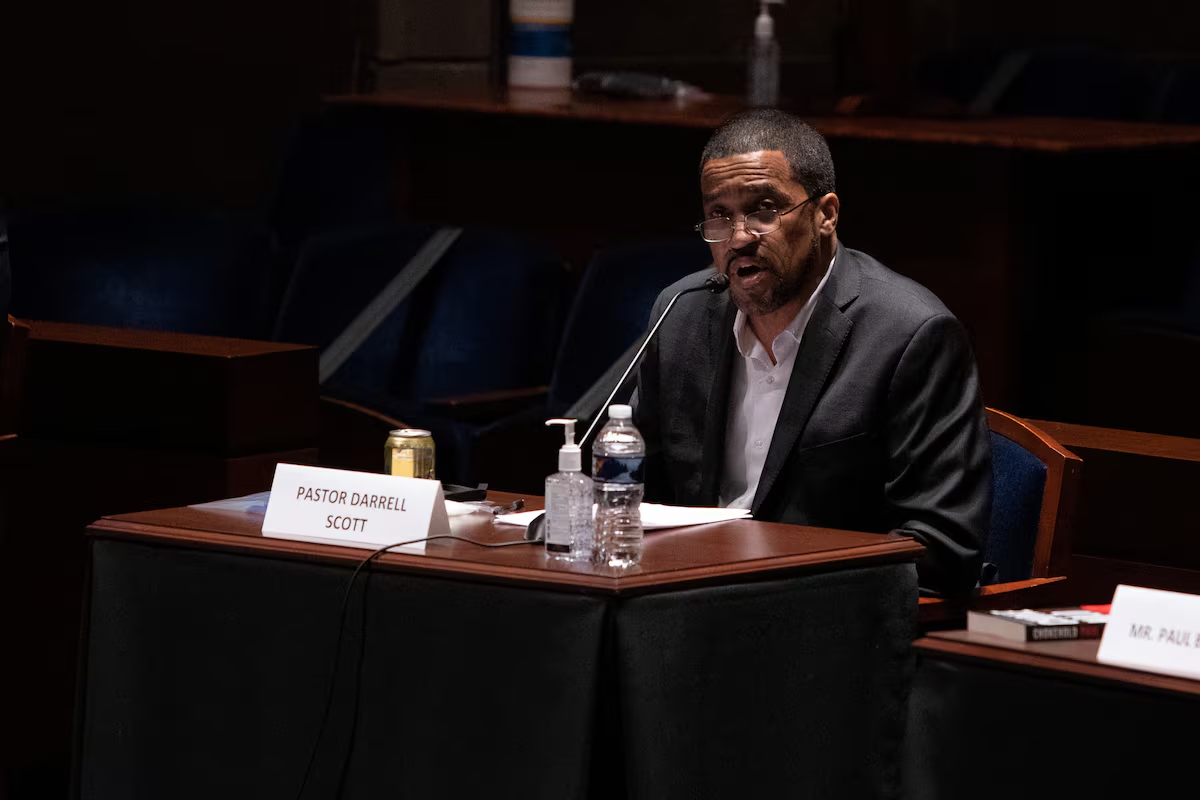
According to Reuters on September 1, 2026, U.S. President Donald Trump announced on Truth Social that Pastor Darrell Scott will serve his administration as an adviser on tobacco health issues on the Centers for Disease Control and Prevention’s Advisory Committee to the Director, or ACD.
Trump said tobacco-related disease has for too long placed a significant burden on American families, including communities that have been overlooked and underserved, and said Scott understands those communities and the challenges they face.
Of particular relevance to the tobacco and nicotine industry, Trump’s announcement referred both to protecting Americans from “dangerous tobacco products” and supporting solutions aimed at reducing harm and saving lives.
Role Sits Within CDC Director’s Advisory Committee
According to Trump’s announcement, Scott will advise on tobacco health issues through the CDC’s Advisory Committee to the Director.
CDC materials describe the ACD as a body that advises the U.S. Secretary of Health and Human Services and the CDC Director on broad public health policies and strategies, including health promotion, disease prevention, preparedness and health disparities.
Scott is therefore not being appointed to lead a specific tobacco regulatory office within the CDC. His tobacco-related role instead sits within a broader advisory body serving senior CDC leadership.
The federal government separately maintains an Interagency Committee on Smoking and Health, which advises on research, education and other issues related to smoking and health. Trump’s announcement specifically identifies the Advisory Committee to the Director rather than that separate interagency body.
Announcement References Both Dangerous Products and Harm Reduction
Trump said Scott’s work would help the administration examine how to better protect Americans from dangerous tobacco products while supporting solutions that reduce harm and save lives.
The wording is notable in the context of U.S. tobacco and nicotine policy.
Trump did not define what he meant by “harm-reduction solutions” or identify any specific products or regulatory approaches. The announcement did not mention vaping products, nicotine pouches, heated tobacco products or other individual categories.
The appointment therefore does not by itself indicate a change in U.S. Food and Drug Administration tobacco product authorization policy, nor does it establish a new regulatory position toward any particular alternative nicotine category.
However, the explicit use of harm-reduction language alongside warnings about dangerous tobacco products is a policy signal worth monitoring for any future use by the Department of Health and Human Services, the CDC or other federal agencies.
Scott Is a Longtime Trump Ally and Faith Leader
Darrell Scott is the founder and senior pastor of the New Spirit Revival Center in Cleveland Heights, Ohio.
Public records trace Scott’s relationship with Trump to around 2011. He later became a prominent political and community supporter and took part in activities connected with Trump’s first presidential campaign.
Scott was involved with the National Diversity Coalition for Trump and later participated in Trump’s presidential transition effort. Public congressional records also note his involvement in faith advisory and political outreach activities linked to Trump.
In announcing the appointment, Trump described Scott as a longtime friend, faith leader and advocate for underserved communities.
Public Career Centers on Faith, Community and Politics
Scott’s appointment has also drawn attention to his professional background.
His publicly available career history is primarily centered on religious leadership, community advocacy and political engagement.
The New Republic reported that Scott does not have a professional background in public health or tobacco policy.
Trump, however, framed the appointment around Scott’s familiarity with communities affected by tobacco-related disease and his community connections rather than technical or medical credentials.
That background is relevant context surrounding the appointment, but it does not by itself establish what policy positions Scott may take in the advisory role.
Appointment Does Not Directly Change FDA Tobacco Regulation
The distinction between public health advice and product regulation is important.
The CDC primarily focuses on disease prevention, public health surveillance and health promotion, while key federal authority over the marketing authorization and regulation of tobacco products rests with the U.S. Food and Drug Administration, including its Center for Tobacco Products.
Scott’s appointment to the CDC advisory body therefore does not give him direct authority over market authorization decisions for vaping products, nicotine pouches, heated tobacco products or other tobacco products.
For the industry, the more significant issue to watch is how the Trump administration eventually defines the “harm-reduction solutions” referenced in the announcement, and whether that language develops into more concrete policy positions across HHS, CDC or other parts of the federal government.
Follow 2Firsts for timely updates on U.S. tobacco and nicotine regulation, public health policy and industry developments.
Cover Image: Reuters
Disclaimer
This article is provided solely for professional research, industry discussion, and informational purposes. Any references to brands, companies, products, technologies, or policies are made for factual reporting and analytical purposes only, and do not constitute endorsement, recommendation, promotion, or advertising by 2Firsts.
Nicotine-containing products, including but not limited to cigarettes, e-cigarettes, heated tobacco products, and nicotine pouches, carry significant health risks. Readers are responsible for complying with all applicable laws and regulations in their respective jurisdictions, including age restrictions and access limitations.
The information contained in this article should not be regarded as investment, legal, medical, regulatory, or commercial advice. While 2Firsts strives to ensure the accuracy and reliability of its content, it does not assume liability for any direct or indirect loss arising from errors, omissions, inaccuracies, or reliance on the information contained herein.
This article is not intended for individuals below the legal age for accessing tobacco or nicotine-related information in their jurisdiction.
Copyright Notice
This article is either original content produced by 2Firsts or content reproduced, translated, summarized, or adapted from third-party sources with attribution where applicable. The intellectual property rights of the original content remain with 2Firsts or the respective original rights holders.
No individual or organization may copy, reproduce, distribute, republish, modify, translate, or otherwise use this content without prior authorization. Any unauthorized use may result in legal action.
For copyright-related inquiries, corrections, or removal requests, please contact: info@2firsts.com.
AI-Assisted Translation and Editing Notice
Portions of this article may have been translated, edited, or reviewed with the assistance of artificial intelligence tools to improve efficiency and readability. Due to the limitations of AI-assisted translation and editing, discrepancies, omissions, or inaccuracies may exist when compared with the original source.
Where applicable, readers are advised to refer to the original source for the most complete and accurate information. If you identify any errors or believe that any content infringes upon your rights, please contact us at info@2firsts.com, and we will review and address the matter promptly.