Trump wins U.S. election | Expert analysis on e-cigarette policy direction under the next administration

Nov.06.2024
Trump wins U.S. election | Expert analysis on e-cigarette policy direction under the next administration
Tom Beaudet, CEO of U.S. compliance firm Accorto, reviewed the effectiveness of past bipartisan policies and predicts that the FDA will improve its review process, allowing e-cigarette products to gain market approval more quickly in the future.

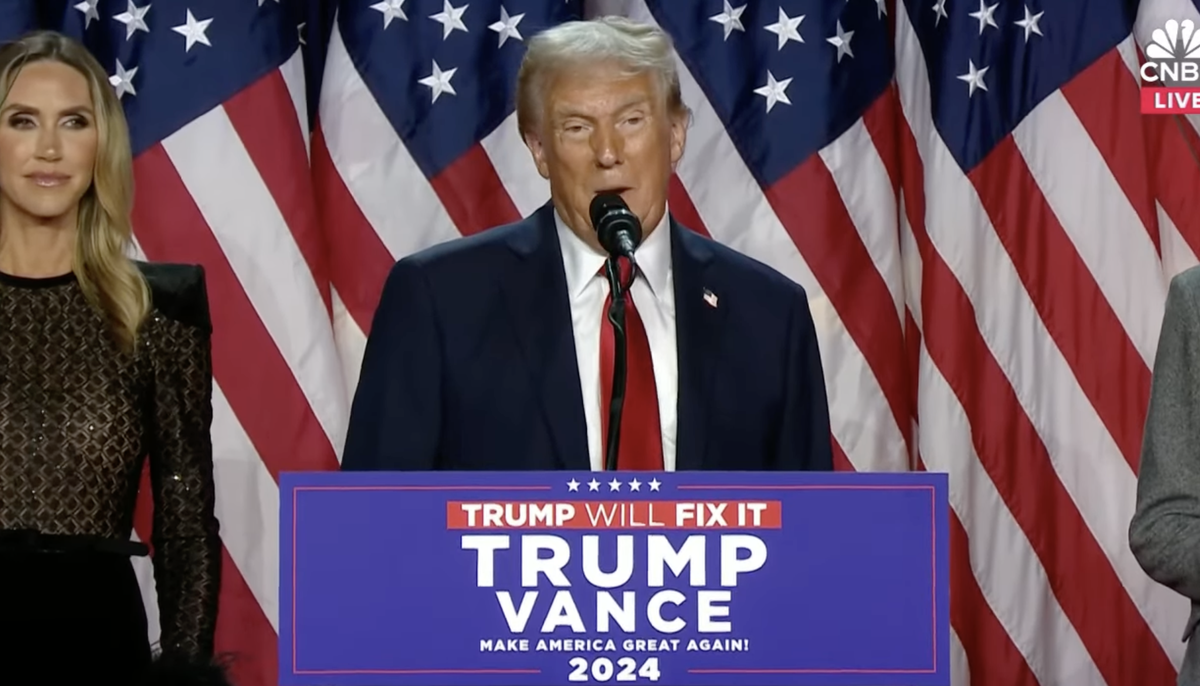
The results of the 2024 U.S. presidential election have been revealed, with Donald Trump elected as the new president. As the largest e-cigarette market in the world, the direction and regulatory policies of the U.S. market have significant global implications. How the new administration will regulate e-cigarettes and the future of the U.S. e-cigarette market are questions drawing global industry attention. As a leading global vaping technology media and think tank, 2Firsts quickly connected with U.S. compliance experts to provide the most authoritative analysis.


Tom Beaudet, CEO of U.S. compliance firm Accorto, shared with 2Firsts his thoughts on the regulatory approaches and actions of both the Trump administration and the current Democratic government on e-cigarettes. He emphasized that, during the current administration's four years, only 9 harm-reduction product applications were approved, despite millions of applications being submitted. He predicts that under the next administration, the FDA may gradually establish a clearer market entry pathway, helping companies that submit complete scientific data gain market access more quickly.

 

Trump wins U.S. election | Expert analysis on e-cigarette policy direction under the next administration
Accorto CEO Tom Beaudet | Image source: 2Firsts


Read the full perspective from Tom Beaudet:


  • Several weeks ago, ex President Donald Trump made the statement that he saved flavored vapes in 2020 and that, if he is elected again, he will save flavors again. However, it must be remembered that flavored closed pod systems were banned during the Trump presidency.


  • During the past 4 years, FDA has only approved 9 new harm reduction products, although applications have been submitted for millions of new products.  Although the vast majority of those applications were not complete with the scientific data needed for substantive review by the CTP Office of Science, several companies did submit high quality applications and are still awaiting a final decision.  Many question why we should expect anything different under another Democratic Party administration.


  • There is hope, regardless of who walks away victorious on November 5.  The US VTA, led by their president Tony Abud, has been aggressively working to educate members of Congress from both parties about the life saving potential of Nicotine Harm Reduction products and the importance of making changes at FDA to repair the currently broken review process.  Regardless of who wins tomorrow, we should expect to see improvements in the PMTA review process where applications who spend the money and time to submit high quality applications have a known and proven pathway to a Market Granted Order.  As more products are approved and we develop a pool of predicate products to reference, the known pathway to success will be come more and more established.


2Firsts will continue to bring the latest reports and interpretations on U.S. e-cigarette policies.


Disclaimer: This article represents only the views of the expert.

Ireland’s Tobacco and Vape Retail Licensing Regime Takes Effect; BAT Says It Should Cover Nicotine Pouches
Ireland’s retail licensing system took effect on Feb. 2, 2026, charging annual fees per point of sale and enforced by the Health Service Executive (HSE). British American Tobacco’s local unit, BAT Ireland, said excluding nicotine pouches could leave a regulatory gap.
Feb.04 by 2FIRSTS.ai
Malaysia moves ahead with vape sales ban plan; PMI urges Japan-style differentiated excise taxes
Malaysia plans to implement a ban or restrictions on e-cigarettes and vaping products as early as mid-2026 and no later than year-end. The head of Philip Morris Malaysia and Singapore said the government should look to Japan’s approach of regulating and taxing different tobacco and nicotine products differently, warning that an outright ban could push demand into illicit channels.
Feb.02
China’s Tobacco Regulator Moves to Introduce Credit Management Framework for E-Cigarette Manufacturers, Greater Transparency May Improve International Assessability of China’s Supply Chain
China’s tobacco regulator has moved to introduce a credit management framework for e-cigarette manufacturers, outlining a system that links compliance records to regulatory oversight. The proposal forms part of a broader push to institutionalize supervision and improve transparency across China’s e-cigarette supply chain.
Jan.05
Former Malaysian Health Minister Allegedly Rejected RM50 Million Bribe Over GEG
A former political aide has alleged that a RM50 million bribe was offered to Malaysia’s then health minister to abandon the tobacco generational end game (GEG) policy. The claim was published in an opinion article and on social media. No report was made to anti-corruption authorities. Despite the alleged rejection, the GEG provision was later removed from the tobacco bill tabled in Parliament in 2023.
Dec.23 by 2FIRSTS.ai
Brazil’s MPF and Anvisa sign pact to intensify enforcement against vapes
Brazil’s Federal Public Prosecutor’s Office (MPF) and health regulator Anvisa signed a cooperation protocol to strengthen enforcement against electronic smoking devices (DEFs) and expand health-risk awareness campaigns.
Feb.03 by 2FIRSTS.ai
Six Years of Data Show FDA Clearing PMTA Backlog
FDA data from FY2020 to FY2025 show how the PMTA system for e-cigarette products evolved after an early surge of submissions created prolonged front-end delays. Millions of applications accumulated at the Acceptance stage before entering substantive review. Since 2023, the number of applications pending acceptance has declined sharply, and industry participants report shorter initial decision timelines in late 2025.
Feb.06