Key Points
• Location: Florida, United States
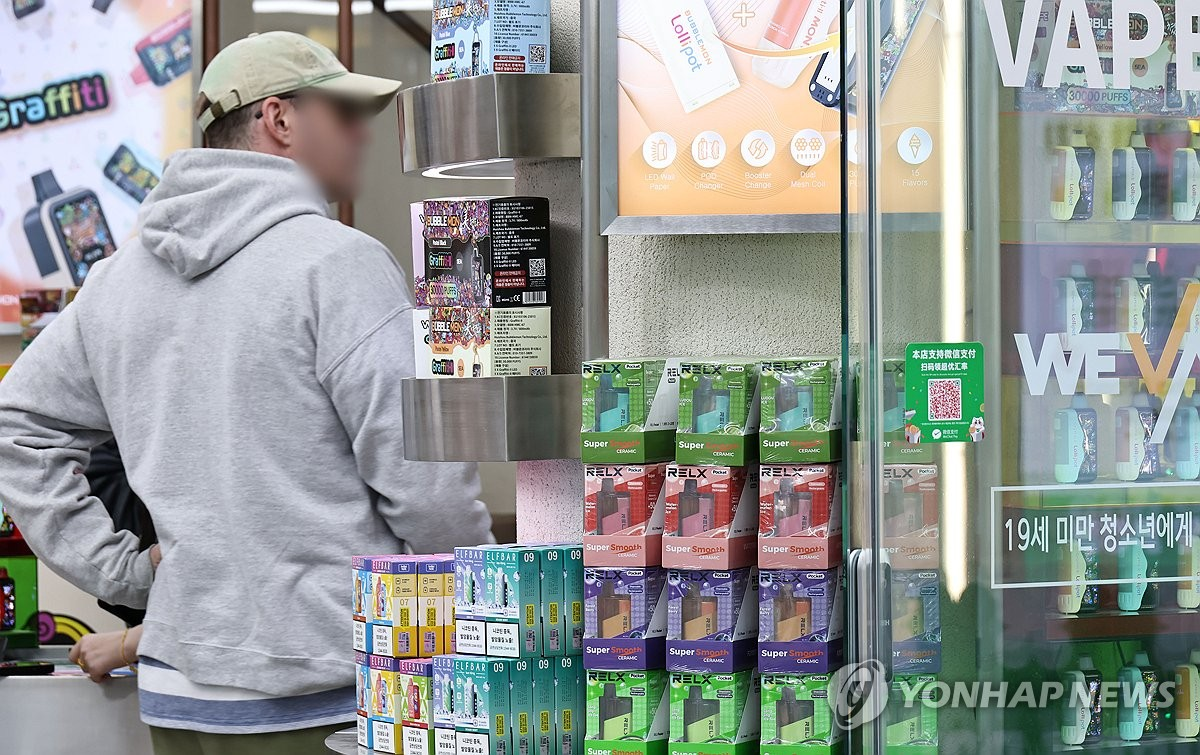
• SB 980 focus: Ad/promo/display limits for non-FDA-authorized nicotine vapes; bans open displays in convenience stores and gas stations
• HB 377 focus: Removes heated tobacco products from cigarette-style taxation; disagreement persists over whether they still fit the legal definition of cigarettes
2Firsts, Jan 28, 2026
According to Florida media reports, the Florida Senate Industries Committee unanimously advanced SB 980 — the “Florida Age-Gate Act” — in a bid to tighten guardrails around nicotine dispensing devices that are being sold without FDA marketing authorization, particularly in retail settings frequented by young people.
SB 980: Advertising, promotion, and display limits for non-authorized products
The measure would impose new restrictions on advertising, promotion, and product displays for certain vapes and nicotine devices, including a ban on open displays in convenience stores and gas stations. SB 980 also introduces escalating penalties: a first violation would carry an administrative fine ranging from $500 to $1,000, a seven-day suspension of the dealer’s permit, and a corrective-action order within 15 days. A third or subsequent violation within 12 weeks after the first could rise to a second-degree misdemeanor.
All fine revenue would be directed to the Florida Department of Law Enforcement (FDLE) to hire staff, fund investigations, and run awareness campaigns encouraging minors to stop using nicotine. The bill also carves out an exemption for dealers whose products already have FDA marketing authorization orders, allowing them to continue advertising in retail stores.
While lobbyists for the Florida Retail Federation and Juul Labs did not speak during the hearing, they signaled opposition. During the committee discussion, Sen. Jim Boyd referenced concerns raised to lawmakers that the bill could enable illegal products — including those from China — to end up in retail outlets, cautioning that some claims heard that day may not be fully accurate. Sponsor Sen. Alexis Calatayud said the reality is that non-authorized devices are already widely sold across convenience stores and gas stations, and argued the bill offers a practical path to protect minors without triggering a costly, sweeping enforcement campaign.
When Sen. Jason Pizzo asked why Florida should not simply ban sales of non-FDA-authorized devices outright, Calatayud warned such a move could fuel a black market. Pizzo said he would vote yes but believes lawmakers could ultimately go further. Calatayud added she is open to refining the bill as it moves forward. Next stops for SB 980 are the Appropriations Committee on Agriculture, Environment, and General Government and the Fiscal Policy Committee. The House companion, HB 843, has been referred to three committees but has not yet been brought up for a vote.
HB 377: Heated tobacco taxation dispute
Also on Tuesday, the Florida House Ways and Means Committee advanced HB 377 on a 14–1 vote. The proposal would exclude heated tobacco products from being taxed like cigarettes. The sole “no” vote came from Rep. Anna Eskamani, who said a prior executive statement already effectively achieves the policy goal and argued that, from the FDA’s perspective, the products still meet the legal definition of cigarettes and should therefore face the same tax treatment.
Sponsor Rep. Chase Tramont countered that the bill modernizes Florida law for newer technology and emphasized that heated tobacco products are not cigarettes because they involve no smoke. House analysis describes heated tobacco products as devices that heat a tobacco-filled paper stick electronically to generate a nicotine-containing aerosol inhaled by the user.
Image source: Floridapolitics
We welcome news tips, article submissions, interview requests, or comments on this piece.
Please contact us at info@2firsts.com, or reach out to Alan Zhao, CEO of 2Firsts, on LinkedIn
Notice
1. This article is intended solely for professional research purposes related to industry, technology, and policy. Any references to brands or products are made purely for objective description and do not constitute any form of endorsement, recommendation, or promotion by 2Firsts.
2. The use of nicotine-containing products — including, but not limited to, cigarettes, e-cigarettes, nicotine pouchand heated tobacco products — carries significant health risks. Users are responsible for complying with all applicable laws and regulations in their respective jurisdictions.
3. This article is not intended to serve as the basis for any investment decisions or financial advice. 2Firsts assumes no direct or indirect liability for any inaccuracies or errors in the content.
4. Access to this article is strictly prohibited for individuals below the legal age in their jurisdiction.
Copyright
This article is either an original work created by 2Firsts or a reproduction from third-party sources with proper attribution. All copyrights and usage rights belong to 2Firsts or the original content provider. Unauthorized reproduction, distribution, or any other form of unauthorized use by any individual or organization is strictly prohibited. Violators will be held legally accountable.
For copyright-related inquiries, please contact: info@2firsts.com
AI Assistance Disclaimer
This article may have been enhanced using AI tools to improve translation and editorial efficiency. However, due to technical limitations, inaccuracies may occur. Readers are encouraged to refer to the cited sources for the most accurate information.
We welcome any corrections or feedback. Please contact us at: info@2firsts.com