Poland to ban “characterising flavours” in heated tobacco sticks from Jan. 18, 2026

Jan.20
Poland to ban “characterising flavours” in heated tobacco sticks from Jan. 18, 2026
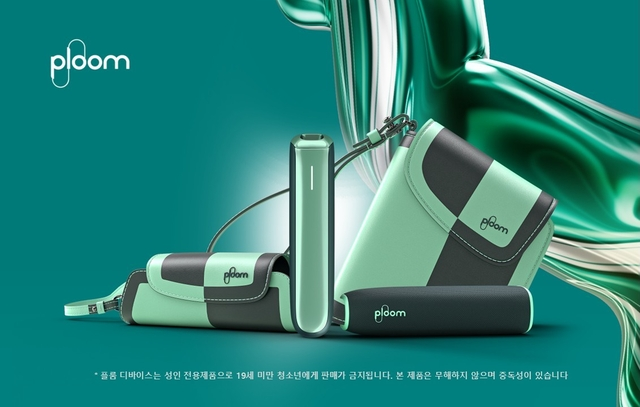
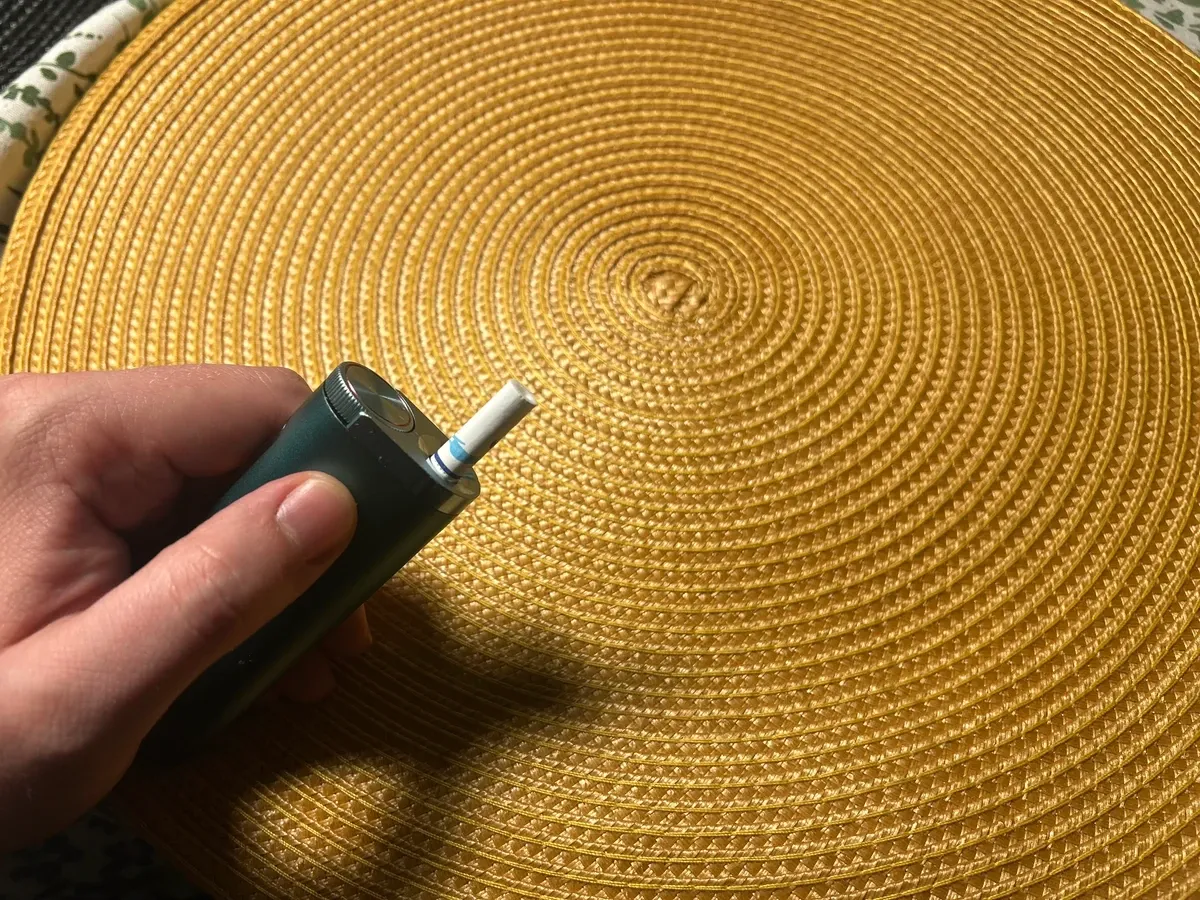
Poland will implement an amended health protection law on January 18, 2026, restricting the availability of tobacco inserts used in heated tobacco devices. The new rules prohibit products with a “characterising flavour,” meaning a clearly noticeable taste or smell other than tobacco, derived from additives and detectable before or during use.

Key points


• Effective date: January 18, 2026

• Scope: tobacco inserts used in heated tobacco devices

• Core change: ban on products with a “characterising flavour”

• Flavour range: fruit, menthol, herbal, spice, vanilla and candy-like variants fall under the restriction

• Transition: products authorised before entry into force may remain on sale for up to nine months


2Firsts, January 20, 2026


According to Gazeta Prawna, a new restriction will take effect on January 18, 2026, under an amendment to Poland’s law on protecting health from the consequences of tobacco and tobacco product use, which may leave smokers unable to find certain products in shops and will remove many tobacco products from sale.


The report says users of heated tobacco devices should prepare for significant changes in product availability. Under the amendment adopted on February 21, 2025, heated tobacco products will be treated the same as traditional cigarettes with regard to flavour prohibitions from January 18, 2026.


A central change is the withdrawal from sale of heated tobacco inserts with a so-called “characterising flavour.” The new law prohibits placing on the market products that have a clearly noticeable taste or smell other than tobacco. The report explains that “characterising flavour” refers to a smell or taste resulting from additives that is clearly noticeable before use or during use.


In practice, the report says inserts with fruit, menthol, herbal, spice, vanilla or candy-like flavours will disappear from shops. Any product whose scent profile departs from the natural aroma of tobacco will fall under the new sales restrictions.


The report also notes transition arrangements to allow the market to adjust. Although the ban begins in mid-January 2026, products that obtained the relevant authorisations before the amendment takes effect may remain on sale for no longer than nine months from that date, allowing retailers to run down stock.


The report further states that from January 17, 2026, the heated tobacco market will become more uniform and focused on classic tobacco, with inserts without “characterising flavours” remaining as the available option for users of heated tobacco systems.


Image source: Gazeta Prawna


We welcome news tips, article submissions, interview requests, or comments on this piece.

Please contact us at info@2firsts.com, or reach out to Alan Zhao, CEO of 2Firsts, on LinkedIn


Notice

1.  This article is intended solely for professional research purposes related to industry, technology, and policy. Any references to brands or products are made purely for objective description and do not constitute any form of endorsement, recommendation, or promotion by 2Firsts.

2.  The use of nicotine-containing products — including, but not limited to, cigarettes, e-cigarettes, nicotine pouchand heated tobacco products — carries significant health risks. Users are responsible for complying with all applicable laws and regulations in their respective jurisdictions.

3.  This article is not intended to serve as the basis for any investment decisions or financial advice. 2Firsts assumes no direct or indirect liability for any inaccuracies or errors in the content.

4.  Access to this article is strictly prohibited for individuals below the legal age in their jurisdiction.


Copyright


This article is either an original work created by 2Firsts or a reproduction from third-party sources with proper attribution. All copyrights and usage rights belong to 2Firsts or the original content provider. Unauthorized reproduction, distribution, or any other form of unauthorized use by any individual or organization is strictly prohibited. Violators will be held legally accountable.

For copyright-related inquiries, please contact: info@2firsts.com


AI Assistance Disclaimer


This article may have been enhanced using AI tools to improve translation and editorial efficiency. However, due to technical limitations, inaccuracies may occur. Readers are encouraged to refer to the cited sources for the most accurate information.

We welcome any corrections or feedback. Please contact us at: info@2firsts.com

Canada Recalls Siberia and ZYN Nicotine Pouches Over Unauthorized Sales
Health Canada has issued a nationwide recall for nicotine pouch products sold under the Siberia and ZYN brands, citing a lack of market authorization. All affected lots are subject to the recall.
Jun.15
U.S. FDA: Youth E-Cigarette Prevention Campaign Prevented About 444,000 Initiations and Reduced Illegal Vape Sales
The U.S. Food and Drug Administration (FDA) said its youth e-cigarette prevention campaign, “The Real Cost,” prevented about 444,000 U.S. youth from starting e-cigarette use between 2023 and 2024 and blocked more than $42 million in unauthorized e-cigarette sales that would have been used by youth.
Market
Jun.25
Indonesia’s BNN Pushes Total Vape Ban as Health Ministry Tightens Tobacco Packaging Rules, Putting $40 Billion Industry at Risk
Indonesia is entering a new phase of debate over vape and tobacco regulation. The National Narcotics Agency (BNN) has proposed a total vape ban, with some lawmakers supporting stronger restrictions. At the same time, the Health Ministry is advancing tobacco and nicotine regulations under Government Regulation No. 28/2024, including measures such as plain packaging and product controls. Tobacco and vape industries have warned that tighter rules could affect a sector worth around $40 billion, supporting about 6 million jobs and contributing significant tax revenue.
Jul.27
Special Report|South Korean Lawmaker Queries China Tobacco Regulator Over Synthetic Nicotine as Export-Rule Gaps Emerge
A South Korean lawmaker has asked China’s tobacco regulator to clarify rules for e-cigarettes containing synthetic nicotine amid questions over product declarations and possible tax losses. The dispute exposes gaps between Chinese export requirements and destination-market rules, while underscoring the global impact of China’s licensing and traceability policies.
Jul.10
PMI to Launch IQOS in Argentina by End-2026 After Regulatory Shift, Targeting About 7 Million Smokers
Philip Morris International (PMI) has confirmed plans to bring its IQOS heated tobacco device to Argentina by the end of 2026, after the Argentine government lifted long-standing restrictions and created a regulatory framework for heated tobacco, e-cigarettes and nicotine pouches.
News
Jun.26 by 2Firsts Perspectives
South Korean Lawmaker Jeong Jin-wook Pushes Synthetic Nicotine Vape Probe, Highlighting Supply Chain and Tax Concerns
South Korean lawmaker Jeong Jin-wook has again called for stronger government action against liquid synthetic nicotine vape manufacturers and sellers, alleging that some businesses may have avoided regulation through product labeling changes and corporate restructuring. According to Newsworks, JNILBO and other Korean reports, Jeong has held his third press conference on the issue, calling for a government-wide investigation. The dispute involves whether synthetic nicotine products should fall under tobacco regulations, tax implications and supply-chain transparency. South Korean government agencies have previously said some estimates of potential tax losses cannot be verified due to limited sales data.
Jul.27