UK Media: After the Ban on Disposable E-cigarettes Takes Effect, Most Users Switch to Rechargeable Products

Jun.10.2025
UK Media: After the Ban on Disposable E-cigarettes Takes Effect, Most Users Switch to Rechargeable Products
After the UK's ban on disposable e-cigarettes in June, vape shops report mixed impacts. Some owners see increased sales as customers switch to rechargeable products, while others note a decline in overall sales due to the ban.

Key Points:


·The British government has implemented a ban on disposable e-cigarettes for environmental and underage health concerns. 


·Professional e-cigarette retailers support the ban, believing it will help consumers transition to rechargeable options. 


·Mixed-use shops are not greatly affected, but there are issues with disposable e-cigarette stock. 


·In light of the ban, consumers are showing a strong interest in rechargeable e-cigarettes.


According to a report from The Guardian in June, the UK Department for Environment, Food and Rural Affairs (Defra) has announced a ban on the sale of disposable e-cigarettes starting from June 1. This ban is aimed at curbing the increasing prevalence of undesirable behavior on school playgrounds and addressing the nationwide issue of e-cigarette litter.


Journalistic Report visited several stores that sell e-cigarettes to understand the market reaction one week after the ban went into effect. First, reporters visited the iRepair store in Reading, which sells e-cigarettes and other products. The store manager, Narinder Singh, stated:


"The ban has not had a significant impact on us, as e-cigarettes are not our main product. However, I believe other stores that specialize in selling e-cigarettes may be more heavily affected. Before the ban took effect, customers were purchasing disposable e-cigarettes in large quantities, but now we are seeing them shift towards buying rechargeable products instead."


Located on Friar Street, Totally Wicked is a well-known e-cigarette retailer that specializes in rechargeable e-cigarettes. Sales Assistant Josie Kingdon believes that the government's decision is "the right move." She said:


"We have observed an increase in the number of customers as the ban has forced more people to choose rechargeable e-cigarettes, which is exciting. Prior to the implementation of the ban, we significantly discounted disposable e-cigarette inventory, while also encouraging customers to recycle."


Super Delight convenience store in the city center is facing a different situation. Store manager Sayad Ahmadi expressed frustration with this unexpected policy, saying:


"The sudden ban forced us to stop selling without enough time, resulting in a stockpile of over 2000 pounds ($2560). Situated on Friar Street, our main customers are night club young people looking for cheap disposable e-cigarettes, they are now confused by the more expensive rechargeable e-cigarettes, leading to a decrease in sales."


We welcome news tips, article submissions, interview requests, or comments on this piece.

Please contact us at info@2firsts.com, or reach out to Alan Zhao, CEO of 2Firsts, on LinkedIn


Notice

1.  This article is intended solely for professional research purposes related to industry, technology, and policy. Any references to brands or products are made purely for objective description and do not constitute any form of endorsement, recommendation, or promotion by 2Firsts.

2.  The use of nicotine-containing products — including, but not limited to, cigarettes, e-cigarettes, nicotine pouchand heated tobacco products — carries significant health risks. Users are responsible for complying with all applicable laws and regulations in their respective jurisdictions.

3.  This article is not intended to serve as the basis for any investment decisions or financial advice. 2Firsts assumes no direct or indirect liability for any inaccuracies or errors in the content.

4.  Access to this article is strictly prohibited for individuals below the legal age in their jurisdiction.


Copyright


This article is either an original work created by 2Firsts or a reproduction from third-party sources with proper attribution. All copyrights and usage rights belong to 2Firsts or the original content provider. Unauthorized reproduction, distribution, or any other form of unauthorized use by any individual or organization is strictly prohibited. Violators will be held legally accountable.

For copyright-related inquiries, please contact: info@2firsts.com


AI Assistance Disclaimer


This article may have been enhanced using AI tools to improve translation and editorial efficiency. However, due to technical limitations, inaccuracies may occur. Readers are encouraged to refer to the cited sources for the most accurate information.

We welcome any corrections or feedback. Please contact us at: info@2firsts.com

Ukraine Raises Excise Stamp Fees for Tobacco, Heated Tobacco and Vape Liquids by 30.5% as Parliament Backs E-Excise Delay to 2027
Ukraine's Cabinet of Ministers adopted Resolution No. 1259 on October 15, 2026, increasing excise stamp production fees for tobacco products and e-cigarette liquids by approximately 30.5%, from UAH 0.1643 to UAH 0.2144 per stamp. Fees for alcoholic beverages rose by about 30.2%. Separately, Ukraine's parliament passed Bill No. 15532 on October 13, proposing to postpone the full implementation of electronic excise stamps and traceability for alcohol, tobacco and e-cigarette liquids from November 1, 2026, to July 1, 2027. Parliament cited additional testing, configuration and integration requirements. The bill was sent to the president for signature on October 19.
Regulations
Oct.21
Product | Philip Morris Japan Teams Up With Renowned French Audio Brand DEVIALET for Limited-Edition IQOS Priced 60% Above Standard Model
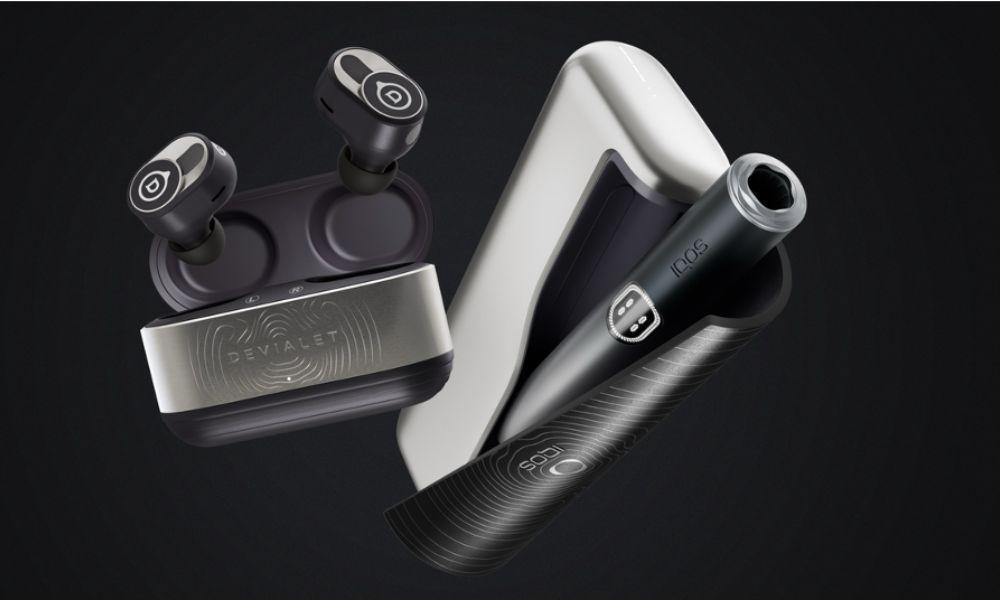
Philip Morris Japan (PMJ) launched the limited-edition IQOS ILUMA i PRIME Soundsorial Model in collaboration with French audio brand DEVIALET on October 1, 2026. Featuring sound-wave patterns, a silver-and-black finish and a gradient holder, the heated tobacco device is priced at JPY 15,980, including tax, and is available at four IQOS stores in Japan. According to Japanese media citing a PMJ representative, about 1,900 units were allocated to the Japanese retail market. A separate Soundsorial Collection, combining the device with DEVIALET Gemini II earbuds, includes 440 sets allocated to Japan for a membership prize draw.
product
Oct.23
Germany Probes 7.6 Million Illegal Vape Case With Estimated €33.3 Million Tax Loss; Four Chinese Manufacturer Employees Under Investigation, Some Packaging in Enforcement Images Resembles FUMOT Products
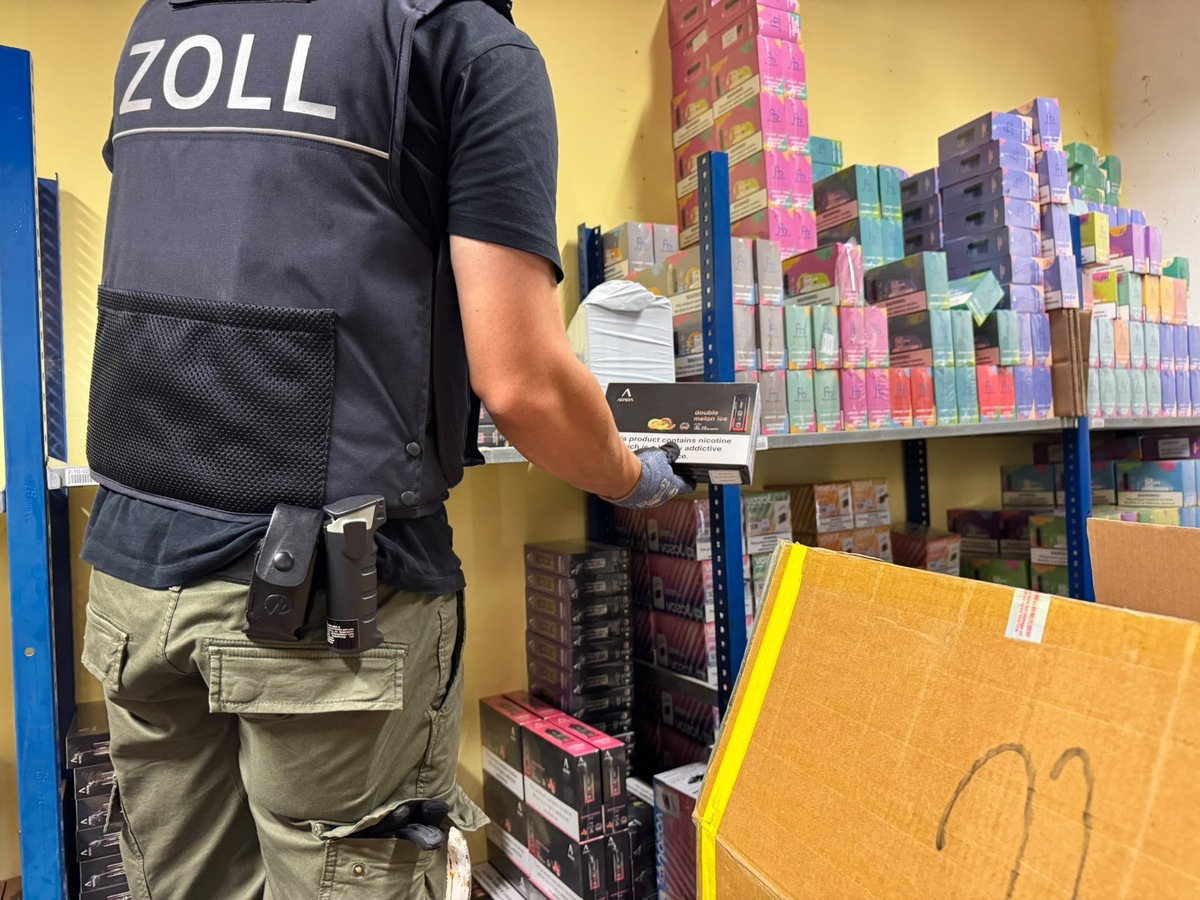
German prosecutors and customs authorities are conducting a criminal investigation into an alleged cross-border organised vape network. Authorities say that between January 2024 and March 2025, four employees of an unnamed Chinese e-cigarette manufacturer allegedly built a network of sales agents and wholesalers that brought more than 7.6 million nicotine disposable vapes into Germany, causing an estimated €33.3 million in excise-tax losses. The manufacturer has not been named. Some products visible in enforcement images have packaging resembling products from FUMOT’s portfolio. European regulatory records from 2024, FUMOT’s public overseas-sales materials and records involving German vape importer and distribution company Zamu-Pro GmbH also show FUMOT/RandM products and German distribution activity during the period covered by the investigation.
Sep.21
Product | KIWI Launches Spark 2 and Spark 2 Pro in Germany, Two Hardware Tiers Share Backward-Compatible 2ml Pods
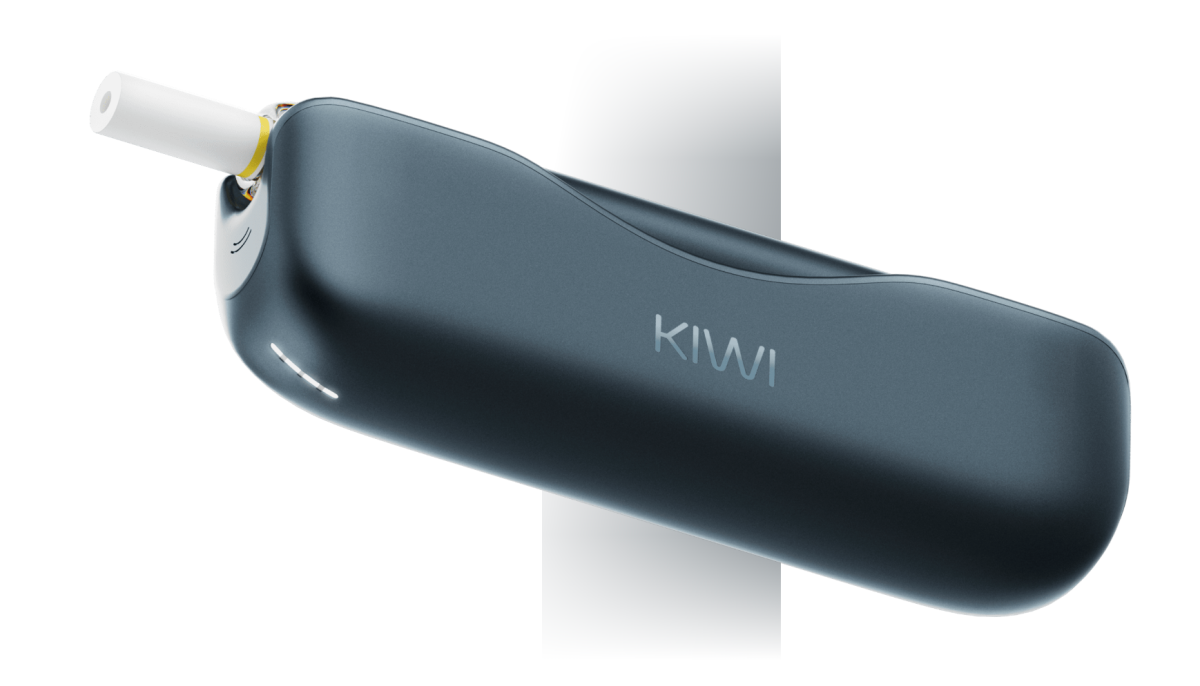
KIWI has launched the Spark 2 and Spark 2 Pro refillable pod systems in Germany at official prices of €18 and €29, respectively. Spark 2 uses an 800mAh removable lithium-ion battery in a pen-style body, while Spark 2 Pro features a 1,400mAh removable battery, a box-shaped design and vibration feedback every 20 puffs. Both devices use the same 2ml Spark V2 pods in 0.8Ω and 1.2Ω versions, with AirSync airflow adjustment and a choice between Cotton Tips and conventional Drip Tips. The new pods also remain compatible with the original KIWI Spark.
News
Sep.29 by 2Firsts Perspectives
Global Nicotine-Pouch E-Commerce Group Haypp Shuts Sweden’s Snusnetto Over Age Verification as Identity Checks Become Industry Infrastructure for New Nicotine Products
Sweden's Supreme Administrative Court has declined to hear an appeal over age verification for tobacco and nicotine products collected from parcel lockers, leaving in place a lower-court ruling that geo-located BankID verification is insufficient to securely verify the actual recipient. Haypp Group has stopped tobacco and nicotine sales through Snusnetto and is deploying a new system across its other Swedish e-commerce sites to verify the age of the person who actually opens the locker and receives the shipment. The change comes as age verification across next-generation nicotine products expands from purchase checks into retail, delivery and, for some e-cigarettes, device access itself.
Regulations
Oct.20
Special Report | From New York to Washington: How FDA’s Tobacco Center Is Reworking Product Review
FDA’s Center for Tobacco Products is reshaping how it approaches tobacco product review. Based on 2Firsts’ on-site reporting in New York and Washington, this report traces CTP’s emerging direction: stronger links between PMTA and tobacco harm reduction, more category-specific review, greater emphasis on decision-relevant science, more predictable timelines and expanded use of sPMTA for product modifications. CTP also acknowledged major constraints, including just nine PMTA review teams, persistent backlogs and limits on hiring capacity.
Regulations
Oct.08