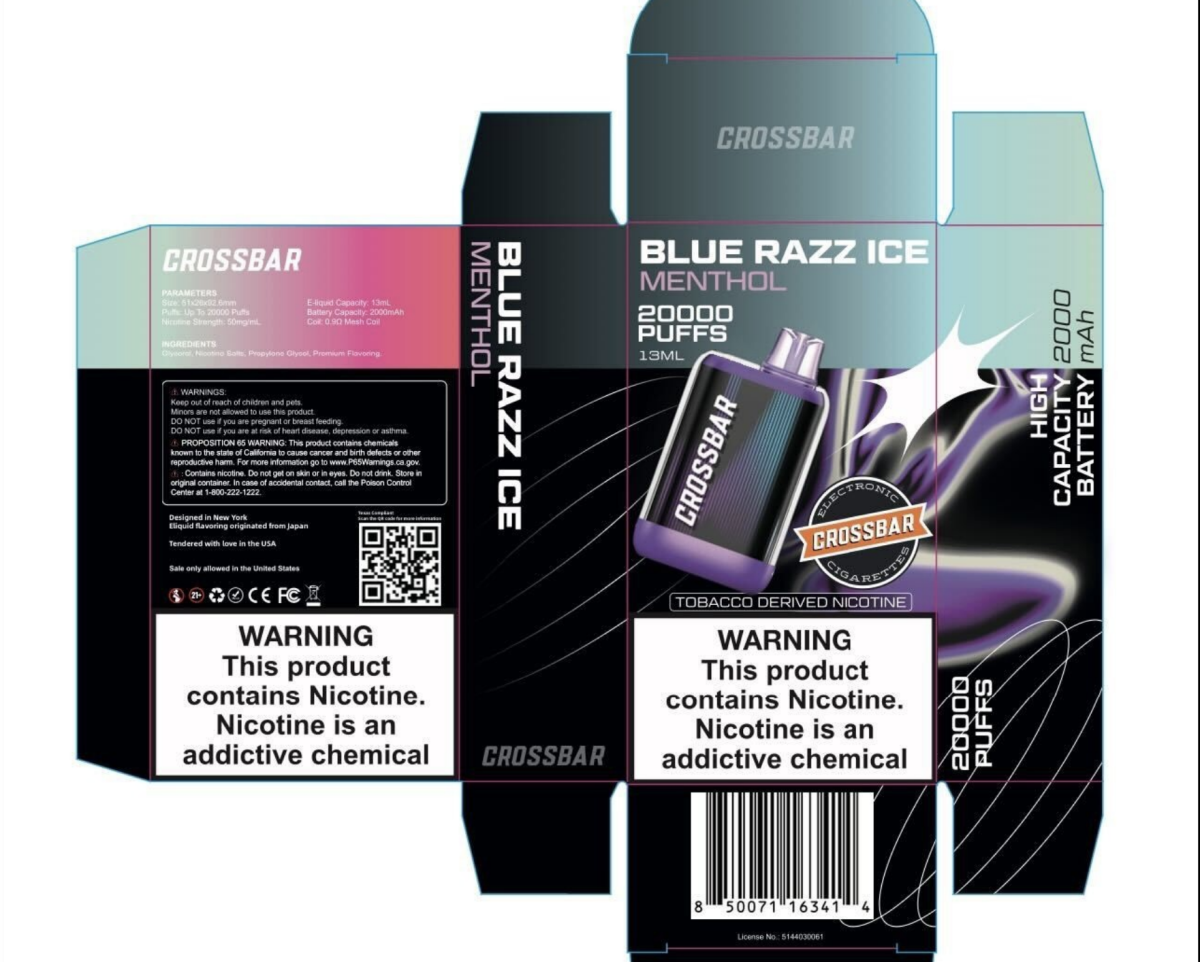
The UK’s Action on Smoking and Health (ASH) organization has stated that as a first step, the government needs to increase the consumption tax on disposable e-cigarettes in the March 15th budget. This will immediately reduce the affordability of these products, which are the most popular e-cigarettes among children and can currently be purchased for less than £5.
It continued, "By adding a £4 consumption tax to each disposable e-cigarette, its price would reach the same level as the cheapest reusable e-cigarette, while still being cheaper than the most harmful cigarette products. This would make it difficult for children to afford disposable e-cigarettes and prevent adults from using these environmentally damaging products.
Deborah Arnott, CEO of health charity organization ASH, has stated that smoking is more harmful than using e-cigarettes and remains the biggest threat to children's health. However, she noted that using e-cigarettes is not risk-free. With the recent increase in the number of children using e-cigarettes, Arnott emphasized the urgent need for the government to take action and strengthen regulation and enforcement.
Minors primarily use e-cigarettes as cheap disposable items that can be purchased for less than £5. In the March budget proposal, implementing a specific tax on these disposable e-cigarettes can quickly reduce their affordability. This simple step would decrease the usage of e-cigarettes among children and reduce the amount of e-cigarettes being thrown into landfills.
In response to the needs of schools, educational authorities, and parents, ASH has announced that it is collaborating with Sheffield City Council to develop resources for schools. These include an animated short film to be broadcast here, as well as posters, classroom presentations, teacher toolkits, and electronic flyers for parents and caregivers.
Greg Fell, Director of Public Health in Sheffield, stated that "e-cigarettes can help adult smokers quit smoking, but if you do not smoke, you should not start using e-cigarettes. We need to continue to make every effort to prevent young people from smoking, but we also do not want them to start using e-cigarettes.
Sheffield is partnering with ASH to provide comprehensive information and advice on how to prevent minors from vaping in response to the demands of parents and teachers. However, despite the importance of education, more work needs to be done, as education alone is not enough. This is why I am urging the government to implement ASH's recommendations for stricter regulation and enforcement of e-cigarettes.
But there's more to it than just this.
The ASH policy briefing suggested a comprehensive approach to reducing teenage use of e-cigarettes while also not harming adult smokers using e-cigarettes to quit smoking, as recommended by health organizations such as NICE and the Royal College of Physicians.
ASH's main recommendations include:
The usage of cartoon characters and bright colors on packaging is prohibited.
Product names or descriptions related to candy or sweets are prohibited (for example, gummy bears).
The design of electronic cigarettes that emit light, resembling glow sticks, has been prohibited. These e-cigarettes were able to be used in the dark.
Using the MHRA e-cigarette notification fee provides better funding for law enforcement.
Demand to place e-cigarettes behind the counter.
Any person who appears to be under the age of 25 must undergo age verification in the store.
The distribution of free samples is prohibited. This is currently legal for people of all ages.
John Herriman, CEO of the Chartered Trading Standards Institute in the UK, has expressed full support for these proposals to ensure that local trade standards teams receive sufficient funding to tackle the growing problem of non-compliant pod sales and concerns related to supplying young people.
Trade standards play a crucial role in both the education of businesses and the enforcement of laws. However, there is currently a situation of disorder where any commercial retailer can sell pods, and examples we've received from all over the country show that retailers often violate the law. This cannot continue – we believe that introducing a registration program for businesses selling pods will help our trade standards team have a clearer understanding of the list of businesses that can legally sell pods in the local area, and to enforce clear penalties for any violators.
ASH: Disposables' Regulation Should be Strengthened, According to References.
Disclaimer
This article is provided solely for professional research, industry discussion, and informational purposes. Any references to brands, companies, products, technologies, or policies are made for factual reporting and analytical purposes only, and do not constitute endorsement, recommendation, promotion, or advertising by 2Firsts.
Nicotine-containing products, including but not limited to cigarettes, e-cigarettes, heated tobacco products, and nicotine pouches, carry significant health risks. Readers are responsible for complying with all applicable laws and regulations in their respective jurisdictions, including age restrictions and access limitations.
The information contained in this article should not be regarded as investment, legal, medical, regulatory, or commercial advice. While 2Firsts strives to ensure the accuracy and reliability of its content, it does not assume liability for any direct or indirect loss arising from errors, omissions, inaccuracies, or reliance on the information contained herein.
This article is not intended for individuals below the legal age for accessing tobacco or nicotine-related information in their jurisdiction.
Copyright Notice
This article is either original content produced by 2Firsts or content reproduced, translated, summarized, or adapted from third-party sources with attribution where applicable. The intellectual property rights of the original content remain with 2Firsts or the respective original rights holders.
No individual or organization may copy, reproduce, distribute, republish, modify, translate, or otherwise use this content without prior authorization. Any unauthorized use may result in legal action.
For copyright-related inquiries, corrections, or removal requests, please contact: info@2firsts.com.
AI-Assisted Translation and Editing Notice
Portions of this article may have been translated, edited, or reviewed with the assistance of artificial intelligence tools to improve efficiency and readability. Due to the limitations of AI-assisted translation and editing, discrepancies, omissions, or inaccuracies may exist when compared with the original source.
Where applicable, readers are advised to refer to the original source for the most complete and accurate information. If you identify any errors or believe that any content infringes upon your rights, please contact us at info@2firsts.com, and we will review and address the matter promptly.