Analysis: Juul is only the fourth most popular e-cigarette with adolescents, who are opting for disposable alternatives

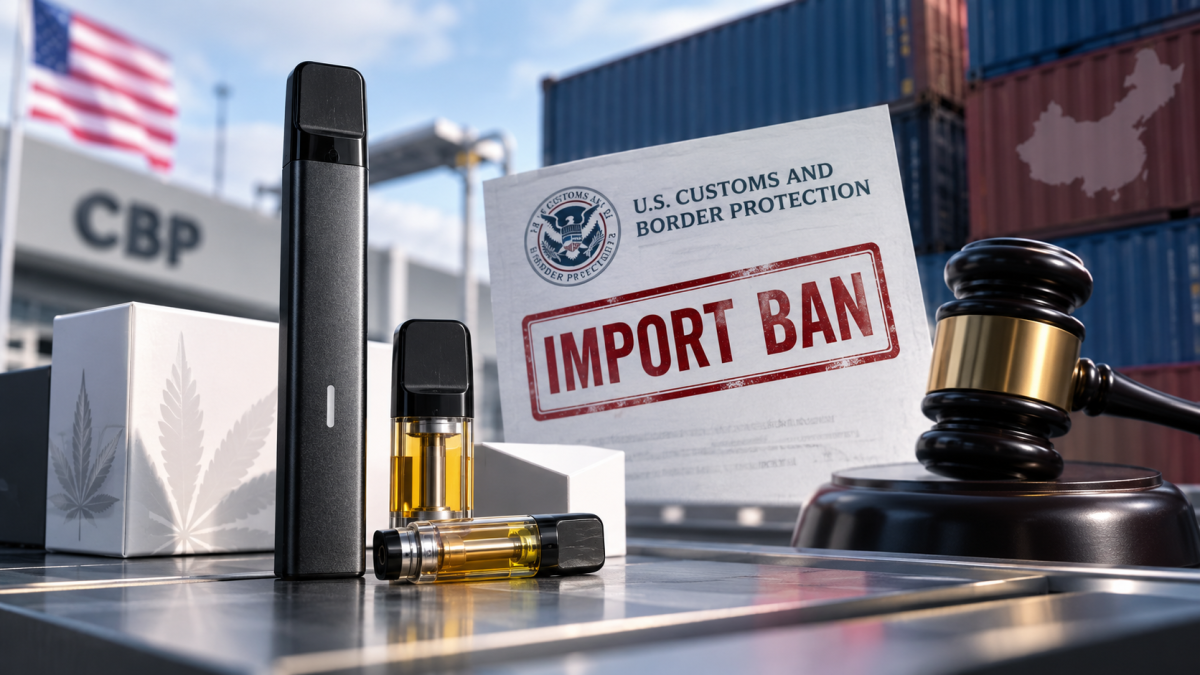
This week, the US effectively banned Juul after the Food and Drug Administration ordered the e-cigarette maker to remove its popular products from the marketplace.
Experts have hailed the move as significant. But they are also concerned that such efforts are failing to keep up with a fast-moving vaping industry – one where young people leap quickly from one product to another.
The FDA ban caps years of controversy for Juul, whose discreet vapes have been accused of helping hook an entire new generation on nicotine.
In 2020 the FDA ordered mint- and juice-flavored e-cigarette pods off the shelves, hitting many of Juul’s products. This week’s escalation came because regulators said Juul failed to provide sufficient evidence to assess their toxicity and hazards of their tobacco and menthol-flavored e-cigarettes, leaving the FDA unable to “assess the potential toxicological risks of using the Juul products”.
Juul, meanwhile, has argued its vapes help regular smokers quit cigarettes, and has said it will fight back. On Friday, an appeals court temporarily put the ban on hold while Juul appeals.
The ban is still momentous, says Lauren Czaplicki, a researcher at Johns Hopkins Bloomberg School of Public Health, because it’s one of the first marketing denials for a brand with substantial market share in the US and for a menthol-flavored product. She points out that other brands like Vuse, Logic and NJOY have received market authorization for various tobacco flavored e-cigarette products and systems, but Juul was denied.
Research shows that bans of flavored cigarettes do make a difference – a 2020 study by George Mason University analyzed a 2009 FDA flavored cigarette ban, and found it reduced smoking by underage youth by 43% and young adults by 27%.
“It is likely that the FDA’s marketing denial will have an impact,” says Czaplicki. “Juul is still a popular product among young people who do use e-cigarettes, and Juul has a certain level of brand recognition and cultural cachet among youth that may be susceptible to nicotine use.”
But while Juul still commands a dominant share of the US market, its popularity among young people has waned over the last few years, says Dr Devika Rao, a pediatric pulmonologist at UT Southwestern. A recent federal survey found Juul was only the fourth most popular product among middle and high school students: the disposable e-cigarette Puff Bar came in first, with Vuse and Smok the second and third most popular.
Advertisement
“We know from data that Juul is not the most commonly used,” says Rao. “Adolescents today are favoring disposable vapes, devices you can purchase online or in a store.” They cost as little as $10 each for a single-use device and do not fall under the 2020 flavor ban, even though they use the same technology as Juul.
Adolescents often switch from product to product, creating a Whac-a-Mole prevention strategy, says Monica M Zorilla, a researcher at Stanford. When the FDA prioritized enforcement against flavored e-cigarette devices like Juul in 2020, it exempted disposable e-cigarettes and menthol-flavored e-cigarette products, says Zorilla.
A Stanford study found that adolescents then moved to those e-cigarettes that were exempt. “Youth went from pod-based [like Juul] to disposables like Puff Bar,” Zorilla says. “As a youth said to me, ‘anything with fruit’ is popular among their peers. This was in part due to the enforcement and in part because the disposables continued to have many flavors.”
Rao points out that social media marketing is clever – and insidious – enough so teens will switch vaping products before adults are even aware of them. She points out that the newest trend is so-called wellness vapes which are not even marketed as e-cigarettes.
“You can vape things like melatonin or vitamins to feel better and fall asleep faster,” she says. These are really vaping devices disguised, and companies are not required to state the concentration or what is in these products. “Newer products present a whole new level of risk.”
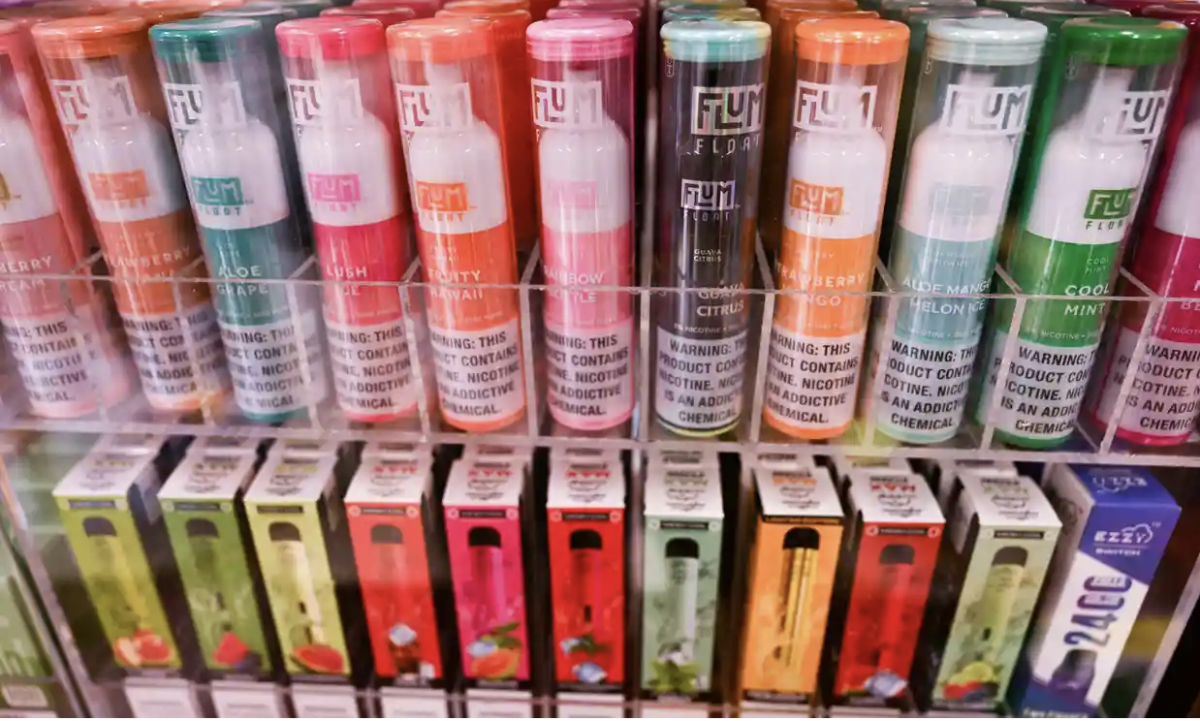
More action is needed, says Czaplicki. She says the FDA should immediately issue an order to remove all vape products that are being sold without market authorization, from retail shelves and online. This would include Puff Bar.
“Reducing the number and type of flavored, e-cigarette devices for sale in the US is likely to have a substantial impact on reducing youth vaping,” she says. “At the same time, it is unlikely to reduce the usefulness of tobacco flavored e-cigarettes from helping adult smokers completely quit smoking.”
Vaping is exposing a new generation to nicotine addiction, says Rao – and researchers are still figuring out how to treat nicotine addiction in kids rather than adults.
These products are often perceived as less harmful than smoking, but they still come with risk because adolescents are wired to become addicted to substances. Rao, who cares for patients at Children’s medical center in Dallas, explains that Juul had figured out how to make the nicotine more potent to give a more potent hit to the brain – allowing for a greater sense of pleasure from using the vape.
“It may take just a few hits of a vape before they are addicted, and it affects things like school performance, athletic performance, and can lead to severe consequences like lung injury,” says Rao. Studies also show that vaping leads to an increase in heart rate and blood pressure.
She says that the rates of vaping declined for two years during the pandemic, but doctors are now concerned that re-establishing of social networks and easing restrictions mean that those rates could again rise.
“When I talk to my patients, they are either vaping or all their friends are vaping and they may be feeling pressure to start using these products,” says Rao. “Parents and educators need to have these conversations about the harm they can have.”
Source:The Guardian