According to Vietnamese media outlet Viettimes, on May 4th, the issue of whether to ban or regulate e-cigarettes was discussed in the National Assembly by the Social Affairs Committee and the National Assembly's Committee on Cultural Education to address concerns about the harm caused by e-cigarettes and heated tobacco products.
Deputy Minister of Health Dao Honglan stated that the Ministry of Health has already done a lot of work, providing advice to the national management through evidence and impact assessment in order to revise the Tobacco Harmful Effects Law and make plans. Minister of Industry and Trade Pan Sheng proposed piloting management of e-cigarettes.
Faced with the conflicting views of the Ministry of Health and the Ministry of Industry and Commerce on e-cigarettes, representatives in Congress raised pointed questions.
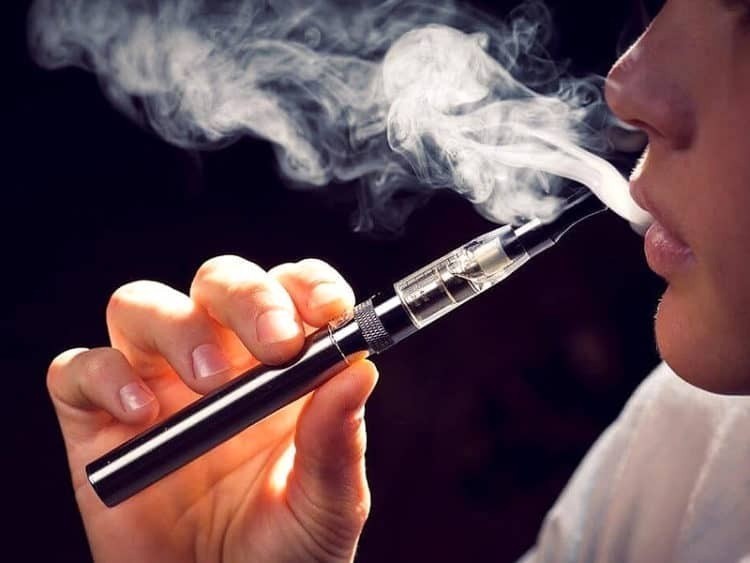
The Vice Chairman of the Vietnamese National Assembly, Tran Thanh Man, expressed concerns about the increasing prevalence of e-cigarette use, especially among young people, teenagers, and students, which are gradually replacing traditional tobacco. He emphasized that the health risks of e-cigarettes are similar to traditional tobacco, particularly the harm they pose to the brain development of children and adolescents, leading to addiction, cognitive and emotional disorders, reduced learning abilities, and psychological obstacles. E-cigarettes also have a negative impact on the quality of human resources, affecting social order and economic and social development.
Vice Chairperson of the Cultural and Education Committee, Ms. Ruan Mei, calls for clarity on the boundaries between the economic benefits of e-cigarettes and the negative impacts on health costs.
Speaking at the conference, Dr. Nguyen Vinh Chi firmly stated, "I find it strange, why test addictive substances, especially such deadly substances. There is absolutely no need for any testing! Because e-cigarettes have already proliferated globally and in Vietnam, their harm is widely recognized... As a doctor, I question whether anyone can find any benefits of this e-cigarette!"
Dao Honglan emphasized that e-cigarettes and heated tobacco products pose great risks to human health, and therefore should be banned from the start rather than being allowed on the market before becoming unmanageable. Even with the various current methods of e-cigarette regulation, the question of whether they can be effectively managed is a concerning issue. Who will be responsible for people's lives? Especially when around 40,000 people die from smoking each year.
Deputy Director Chen Ruanquan, of the Legal and Administrative Reform Department of the Ministry of Public Security, shares the same view as the Ministry of Health, believing that e-cigarettes pose a harm to human health, particularly for young people. He maintains that this product not only harms human health but also the economy. In particular, individuals who have been convicted of drug offenses are increasingly using e-cigarettes to soak and mix drugs.
Teenage use of e-cigarettes is widespread. People are always seen using e-cigarettes while waiting at red lights on the streets. This trend is growing at a concerning rate, so the harms of e-cigarettes outweigh the expected economic and social benefits, according to Rear Admiral Chen Ruanquan.
We welcome news tips, article submissions, interview requests, or comments on this piece.
Please contact us at info@2firsts.com, or reach out to Alan Zhao, CEO of 2Firsts, on LinkedIn
Notice
1. This article is intended solely for professional research purposes related to industry, technology, and policy. Any references to brands or products are made purely for objective description and do not constitute any form of endorsement, recommendation, or promotion by 2Firsts.
2. The use of nicotine-containing products — including, but not limited to, cigarettes, e-cigarettes, nicotine pouchand heated tobacco products — carries significant health risks. Users are responsible for complying with all applicable laws and regulations in their respective jurisdictions.
3. This article is not intended to serve as the basis for any investment decisions or financial advice. 2Firsts assumes no direct or indirect liability for any inaccuracies or errors in the content.
4. Access to this article is strictly prohibited for individuals below the legal age in their jurisdiction.
Copyright
This article is either an original work created by 2Firsts or a reproduction from third-party sources with proper attribution. All copyrights and usage rights belong to 2Firsts or the original content provider. Unauthorized reproduction, distribution, or any other form of unauthorized use by any individual or organization is strictly prohibited. Violators will be held legally accountable.
For copyright-related inquiries, please contact: info@2firsts.com
AI Assistance Disclaimer
This article may have been enhanced using AI tools to improve translation and editorial efficiency. However, due to technical limitations, inaccuracies may occur. Readers are encouraged to refer to the cited sources for the most accurate information.
We welcome any corrections or feedback. Please contact us at: info@2firsts.com