Vietnamese Police Bust Marijuana E-cigarette Production Line and Arrest Six

Nov.24.2023
Vietnamese Police Bust Marijuana E-cigarette Production Line and Arrest Six
Vietnam police have busted a marijuana e-cigarette production line, seizing drugs and arresting six suspects.

On November 23rd, according to Vietnamese media Baomoi, the Vietnamese police dismantled a production line for marijuana e-cigarettes and apprehended six suspects in a series of coordinated operations.


Previously, the Vietnamese Drug Crime Investigation Police Bureau conducted an inquiry by gathering information and stumbled upon numerous advertisements for the sale of e-cigarettes on social media platforms. During the course of investigation, authorities established that the mastermind behind these activities was Le Anh Tho.


Leandro goes online to search for formulas, then contacts individuals overseas through social networks to order synthetic marijuana, flavoring essential oils, chemicals, e-cigarette devices, and smoking pipes. These products are then shipped to warehouses in Hanoi by shipping companies.


According to authorities, all e-cigarette packaging and labels are custom-made by Liano, including the warranty and return policy for defective products. In order to evade detection by authorities, the subject frequently changes warehouses.


After producing finished cigarettes, he would instruct his subordinates to post advertisements and live streams on social media, falsely claiming that these products contain stimulants but are not marijuana products, in order to deceive users. The main objective is to target customers for bulk purchases, offering wholesale deals and determining the sales prices based on quantity. The more they buy, the cheaper the price, and vice versa.


The police discovered over 3,500 finished cigarettes injected with anesthesia-infused essential oils at the scene. They also found five plastic jars containing 84 liters of e-liquid, essential oil pumps mixed with synthetic drugs, as well as nearly 10,000 e-cigarettes. Additionally, they seized one million cigarette packs and numerous solvents, chemicals, raw materials, components, accessories, boxes, and labels used in the production and packaging of e-cigarettes.


In addition, authorities have also seized nearly 15,000 e-cigarettes containing e-liquid. These e-cigarettes were smuggled by Leandro from overseas and were intended to be sold on the market in Vietnam.


As of now, the Drug Crime Investigation Bureau in Vietnam has filed a case, prosecuted and detained six defendants.


We welcome news tips, article submissions, interview requests, or comments on this piece.

Please contact us at info@2firsts.com, or reach out to Alan Zhao, CEO of 2Firsts, on LinkedIn


Notice

1.  This article is intended solely for professional research purposes related to industry, technology, and policy. Any references to brands or products are made purely for objective description and do not constitute any form of endorsement, recommendation, or promotion by 2Firsts.

2.  The use of nicotine-containing products — including, but not limited to, cigarettes, e-cigarettes, nicotine pouchand heated tobacco products — carries significant health risks. Users are responsible for complying with all applicable laws and regulations in their respective jurisdictions.

3.  This article is not intended to serve as the basis for any investment decisions or financial advice. 2Firsts assumes no direct or indirect liability for any inaccuracies or errors in the content.

4.  Access to this article is strictly prohibited for individuals below the legal age in their jurisdiction.


Copyright


This article is either an original work created by 2Firsts or a reproduction from third-party sources with proper attribution. All copyrights and usage rights belong to 2Firsts or the original content provider. Unauthorized reproduction, distribution, or any other form of unauthorized use by any individual or organization is strictly prohibited. Violators will be held legally accountable.

For copyright-related inquiries, please contact: info@2firsts.com


AI Assistance Disclaimer


This article may have been enhanced using AI tools to improve translation and editorial efficiency. However, due to technical limitations, inaccuracies may occur. Readers are encouraged to refer to the cited sources for the most accurate information.

We welcome any corrections or feedback. Please contact us at: info@2firsts.com

Latest UK ONS Data: Vaping Rate Edges Down to 9.9% in 2025, a Year After Overtaking Cigarette Smoking
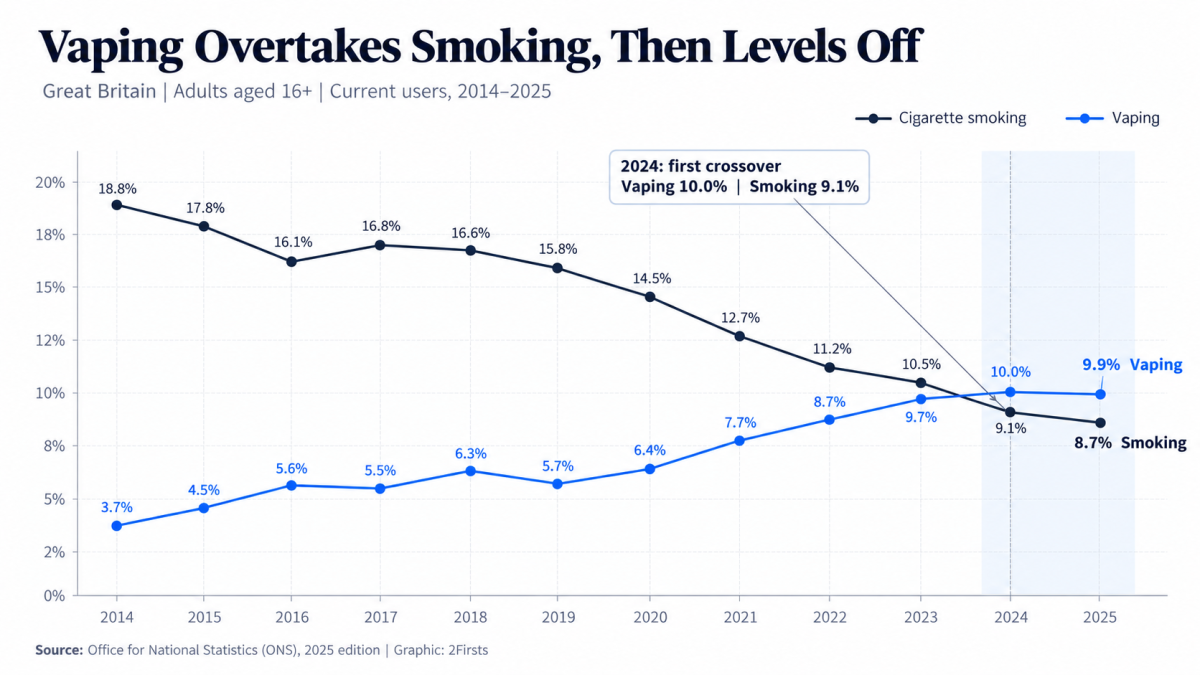
Vaping prevalence in Great Britain edged down to 9.9% in 2025 from 10.0% in 2024, with the number of adult users holding at approximately 5.4 million for a second consecutive year, according to the Office for National Statistics (ONS). E-cigarette use had risen from 6.4% in 2020 to 10.0% in 2024, when it exceeded cigarette smoking prevalence for the first time. Cigarette smoking continued to decline to 8.7% in 2025, widening the gap to 1.2 percentage points. Daily vaping declined slightly, while usage among adults aged 25–34 increased despite falling rates in other age groups.
DATA
Oct.14
Product | JTI Introduces Fully Dissolvable PERLZ Nicotine Pearls in UK, Expands Range From 30-Pearl Dispensers to 10-Pearl Sachets
Japan Tobacco International (JTI) has introduced PERLZ nicotine pearls in the UK, expanding its oral nicotine portfolio beyond conventional nicotine pouches. The fully dissolvable, multi-layer pearls are placed under the tongue and come in Mint and Berry flavors at concentrations of 1mg/g and 2mg/g, equivalent to approximately 0.3mg and 0.5mg of nicotine per pearl. UK retailer Haypp published four 30-pearl dispenser listings on July 31, 2026, followed by three 10-pearl sachet products on August 17. The dispensers retail for £6.50, while the sachets cost £2.50.
product
Oct.12
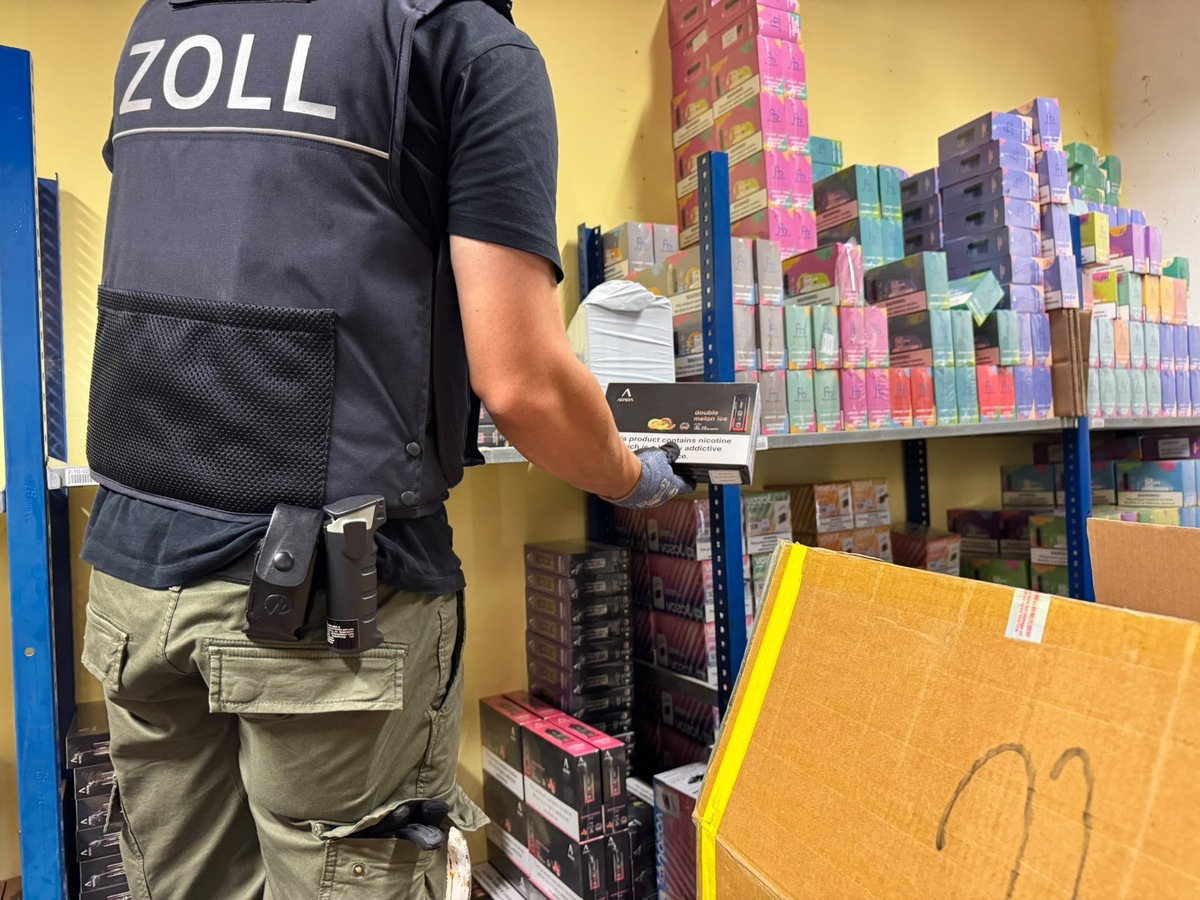
Germany Probes 7.6 Million Illegal Vape Case With Estimated €33.3 Million Tax Loss; Four Chinese Manufacturer Employees Under Investigation, Some Packaging in Enforcement Images Resembles FUMOT Products
German prosecutors and customs authorities are conducting a criminal investigation into an alleged cross-border organised vape network. Authorities say that between January 2024 and March 2025, four employees of an unnamed Chinese e-cigarette manufacturer allegedly built a network of sales agents and wholesalers that brought more than 7.6 million nicotine disposable vapes into Germany, causing an estimated €33.3 million in excise-tax losses. The manufacturer has not been named. Some products visible in enforcement images have packaging resembling products from FUMOT’s portfolio. European regulatory records from 2024, FUMOT’s public overseas-sales materials and records involving German vape importer and distribution company Zamu-Pro GmbH also show FUMOT/RandM products and German distribution activity during the period covered by the investigation.
Sep.21
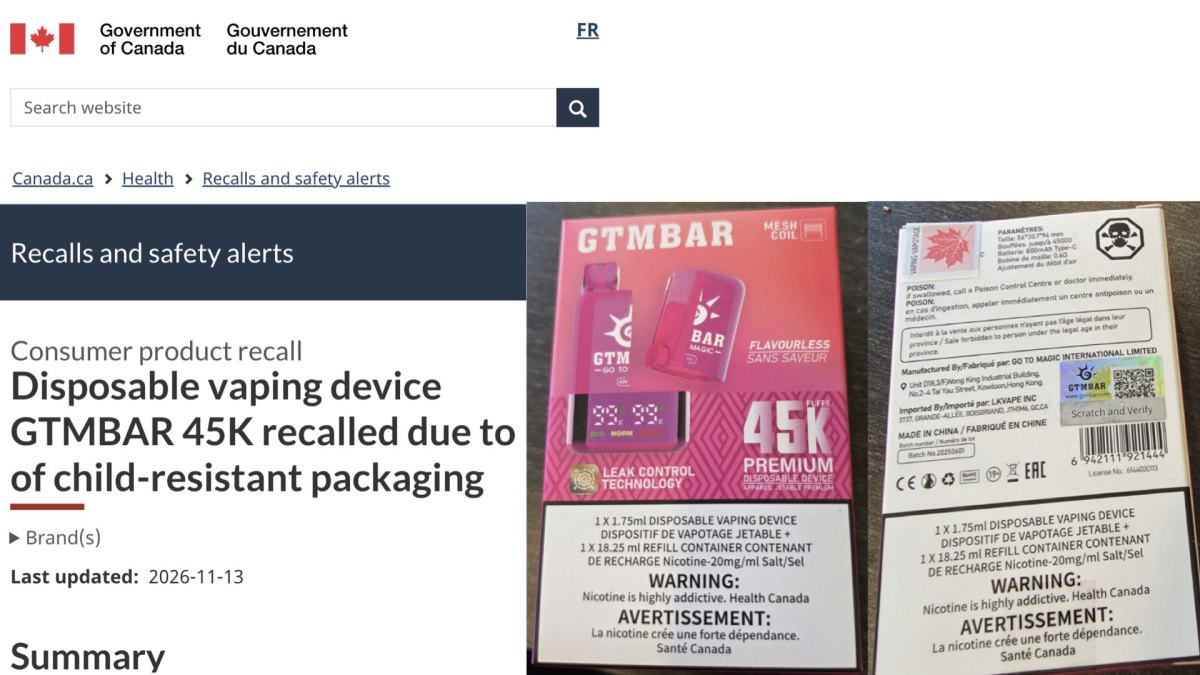
Canada Recalls Nearly 25,000 GTMBAR Vapes Over Child-Resistant Packaging Violations; Brand Linked to Shenzhen GTM Bar, with LK Vape as Importer and Distributor
Health Canada announced a recall of 24,950 China-made GTMBAR 45K disposable vaping devices on November 13, 2026, citing non-compliance with child-resistant packaging requirements. The devices were sold in Canada between December 2024 and October 2026 and feature a 20mL e-liquid system with a nicotine concentration of 20 mg/mL. No related incidents or injuries had been reported as of November 12. Quebec-based LK Vape is the Canadian importer and distributor, while Shenzhen GTM bar Electronic Technology Co., Ltd. holds the GTMBAR trademark registration in the United Kingdom.
Regulations
Nov.16
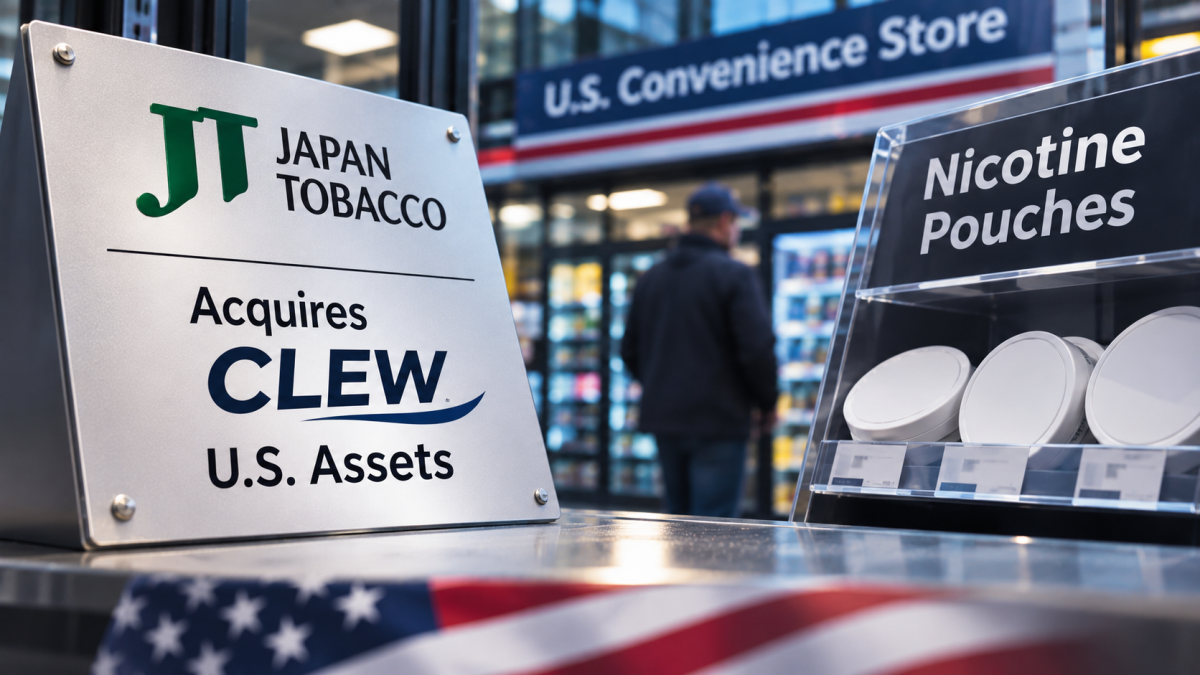
Special Report|Japan Tobacco Buys CLEW: Can Its 160,000-Store Cigarette Network Help It Vie for U.S. Nicotine Pouch Share Against PMI and BAT?
Japan Tobacco Inc. (JT) announced on November 12, 2026, that it had acquired the U.S. assets of nicotine pouch brand CLEW from Nevcore Innovations Inc., including trademarks, intellectual property, product formulations and a Premarket Tobacco Product Application (PMTA). CLEW, currently distributed through selected outlets in 13 U.S. states, will immediately join the JTI LIGGETT portfolio. The transaction follows JT's approximately $2.4 billion acquisition of U.S. cigarette maker Vector Group in 2024. JTI LIGGETT says its existing cigarette brands reach more than 160,000 U.S. retail stores. During the 2026 NACS Show in October, JTI LIGGETT booth staff told 2Firsts that the company had not yet launched nicotine pouches in the United States. Although Nevcore previously announced FDA acceptance of CLEW's PMTA, the brand is absent from the agency's current list of authorized nicotine pouch products. JT has not disclosed a retail expansion plan for CLEW.
Business
Nov.12
Australia Adds 6-Methylnicotine to Schedule 9 Prohibited Substances, Effective October 1
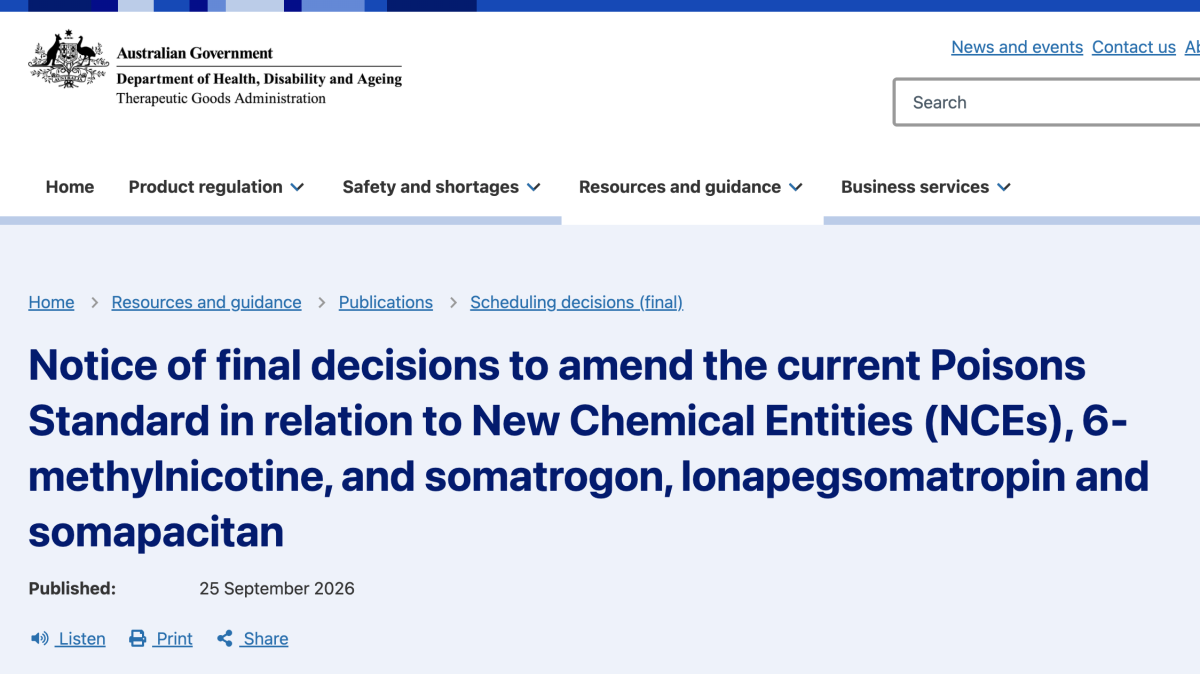
Australia's Therapeutic Goods Administration published a final decision on September 25 to classify 6-methylnicotine as a Schedule 9 prohibited substance under the Poisons Standard, effective October 1, 2026. TGA said the chemical has been reported in e-cigarette liquids sold in Australia and marketed as nicotine-free or nicotine alternatives, while evidence also indicates its use in preparations such as oral pouches. The government originally proposed a Schedule 7 classification but ultimately adopted the stricter Schedule 9 designation, citing acute toxicity, dependence risk, use in unapproved consumer products and misleading marketing.
News
Sep.29 by 2Firsts Perspectives