Virginia HB 308 would overhaul tobacco and nicotine rules, and creating a vape “white list”

Feb.06
Virginia HB 308 would overhaul tobacco and nicotine rules, and creating a vape “white list”
Virginia’s HB 308 (Substitute) proposes a sweeping rewrite of how tobacco, nicotine and certain smokable hemp products are regulated, consolidating enforcement under ABC, requiring retailer permits, creating a vape product directory and escalating penalties for violations.

Key Points


  • Oversight would shift to the Virginia Alcoholic Beverage Control Authority (ABC).
  • Mandatory Retail Tobacco Permit for each retail location; non-transferable; subject to character/eligibility checks.
  • Strict sales rules: 21+, ID checks for those who appear under 30; vending machine sales banned; under-21 possession generally prohibited.
  • Vape product directory (“white list”) managed by the Attorney General; non-listed products treated as contraband with daily per-product fines.
  • A three-strikes penalty ladder within 36 months could lead to permit revocation and a three-year reapplication ban.
  • Localities could restrict new shops near schools/child day centers via zoning.


2Firsts, Feb 6, 2026


According to a legislative summary from the Virginia House of Delegates, House Bill 308 (Substitute) would significantly restructure Virginia’s regulation of tobacco, nicotine and smokable hemp products. The proposal would shift oversight and enforcement to the Virginia Alcoholic Beverage Control Authority (ABC), introduce a mandatory retailer permitting regime, establish a vape product directory administered by the Attorney General, and impose escalating penalties for violations.


Under the proposal, ABC special agents would be empowered to inspect retail premises, audit records and enforce compliance in a manner similar to alcohol regulation. Retailers would be required to obtain a Retail Tobacco Permit for each location, with permits being non-transferable and subject to eligibility standards outlined in the summary, including “good moral character” requirements and disqualifying criminal histories.


The bill summary also outlines tighter sales restrictions, including a minimum purchase age of 21, mandatory ID checks for customers who appear under 30, and a ban on sales through vending machines. Underage possession is generally prohibited, per the summary.


A major component is the creation of a vape “white list” directory: after the stated effective date, liquid nicotine and nicotine vapor products could not be sold in Virginia unless included on the Attorney General’s directory. Products outside the directory would be treated as contraband, subject to seizure, and violators could face $1,000-per-day, per-product penalties.


The bill further proposes a three-strikes framework for retailers within a 36-month period, escalating from a minimum $1,000 civil penalty to permit suspension, and ultimately permit revocation coupled with a three-year ban on reapplying. Localities would also be authorized to enact zoning ordinances governing where tobacco/hemp shops may operate, including potential buffer zones near schools and child day centers.


Image source: freepik


We welcome news tips, article submissions, interview requests, or comments on this piece.

Please contact us at info@2firsts.com, or reach out to Alan Zhao, CEO of 2Firsts, on LinkedIn


Notice

1.  This article is intended solely for professional research purposes related to industry, technology, and policy. Any references to brands or products are made purely for objective description and do not constitute any form of endorsement, recommendation, or promotion by 2Firsts.

2.  The use of nicotine-containing products — including, but not limited to, cigarettes, e-cigarettes, nicotine pouchand heated tobacco products — carries significant health risks. Users are responsible for complying with all applicable laws and regulations in their respective jurisdictions.

3.  This article is not intended to serve as the basis for any investment decisions or financial advice. 2Firsts assumes no direct or indirect liability for any inaccuracies or errors in the content.

4.  Access to this article is strictly prohibited for individuals below the legal age in their jurisdiction.


Copyright


This article is either an original work created by 2Firsts or a reproduction from third-party sources with proper attribution. All copyrights and usage rights belong to 2Firsts or the original content provider. Unauthorized reproduction, distribution, or any other form of unauthorized use by any individual or organization is strictly prohibited. Violators will be held legally accountable.

For copyright-related inquiries, please contact: info@2firsts.com


AI Assistance Disclaimer


This article may have been enhanced using AI tools to improve translation and editorial efficiency. However, due to technical limitations, inaccuracies may occur. Readers are encouraged to refer to the cited sources for the most accurate information.

We welcome any corrections or feedback. Please contact us at: info@2firsts.com

Australia's Illicit Tobacco Market May Have Turned After Five Years of Growth, With Estimates Showing Up to 25% Decline Amid Tax-Cut Debate
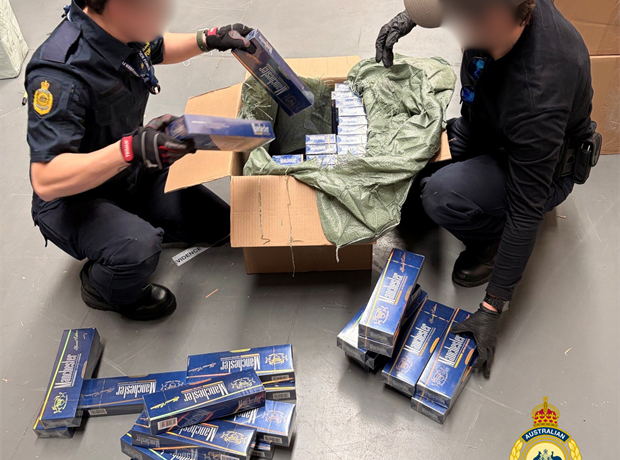
New Australian government estimates released on November 15, 2026, suggest that the country's illicit tobacco market may have contracted for the first time following five years of growth. Estimated market volume fell from a previous peak of 5,972 tonnes to a range of 4,453–5,893 tonnes. The government attributed the change to stronger border enforcement and coordinated domestic operations. Australian Border Force seized more than 2,300 tonnes of illicit tobacco and 13.2 million illicit vaping products in 2025–26, followed by approximately 730 tonnes of illicit tobacco in the first quarter of 2026–27. Separate experimental estimates from the Australian Bureau of Statistics indicate that illicit sources accounted for approximately 80% of nicotine consumption in 2025.
Regulations
Nov.16
UK Extends Age-18 Rules to Zero-Nicotine Vapes and Nicotine Pouches From Oct. 29, Bans Vending Machines and Promotional Giveaways
Key provisions of the UK's Tobacco and Vapes Act 2026 will take effect on Oct. 29, extending an age-18 sales restriction to all vaping and non-medicinal nicotine products. In England, Wales and Northern Ireland, the change brings zero-nicotine vapes within statutory age-of-sale rules and also covers products including nicotine pouches, strips and pearls. The law will also prohibit proxy purchasing for under-18s, consumer-facing vending machines, promotional giveaways and substantial discounts intended to promote vaping and nicotine products.
Regulations
Oct.10
Special Report|From CrossBar 20K to 6-Methyl Nicotine KUMI: Two Routes Into U.S. State Vape Directories?
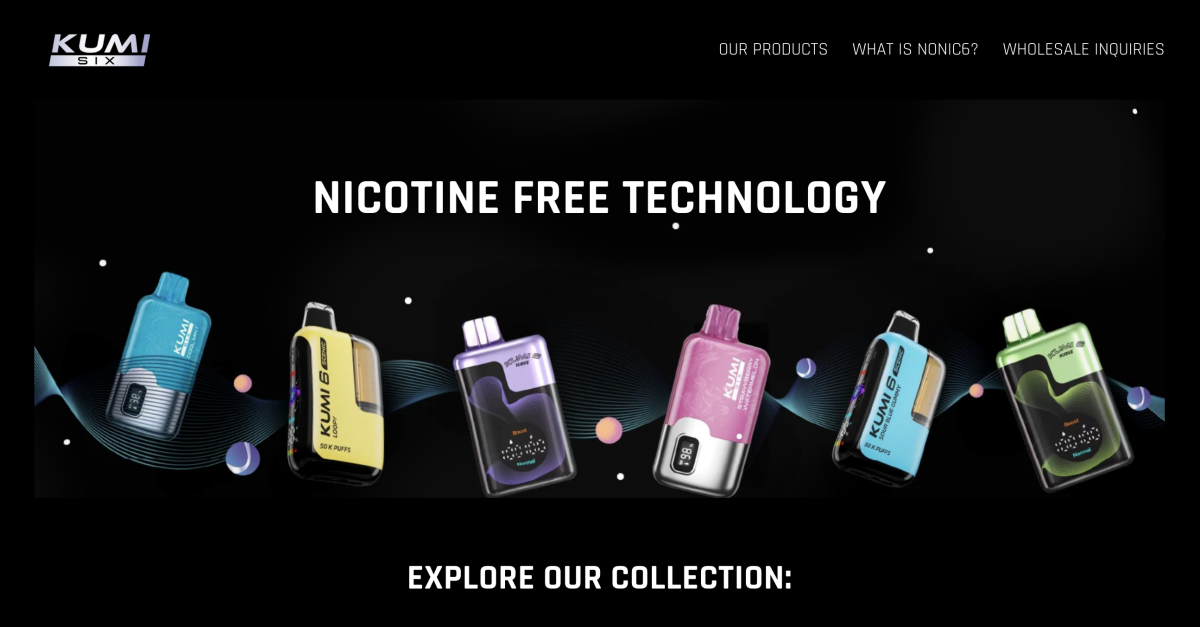
Several U.S. states have incorporated the September 9, 2020 PMTA filing deadline into eligibility rules for certain vaping products. CrossBar 20K drew attention after appearing on Pennsylvania's 163-entry directory. A broader 2Firsts investigation found that related registration businesses also listed KUMI and CROSSBAR SIX products, with 171 KUMI-related entries across Louisiana, Nebraska and Wisconsin. Corporate records link Scott Silverman to Blue Nine LLC and VR Products I LLC. PMTA compliance expert Mr. K said historical applications and nicotine-analogue products may offer two different approaches to state-directory access.
Regulations
Oct.26
Ukraine Raises Excise Stamp Fees for Tobacco, Heated Tobacco and Vape Liquids by 30.5% as Parliament Backs E-Excise Delay to 2027
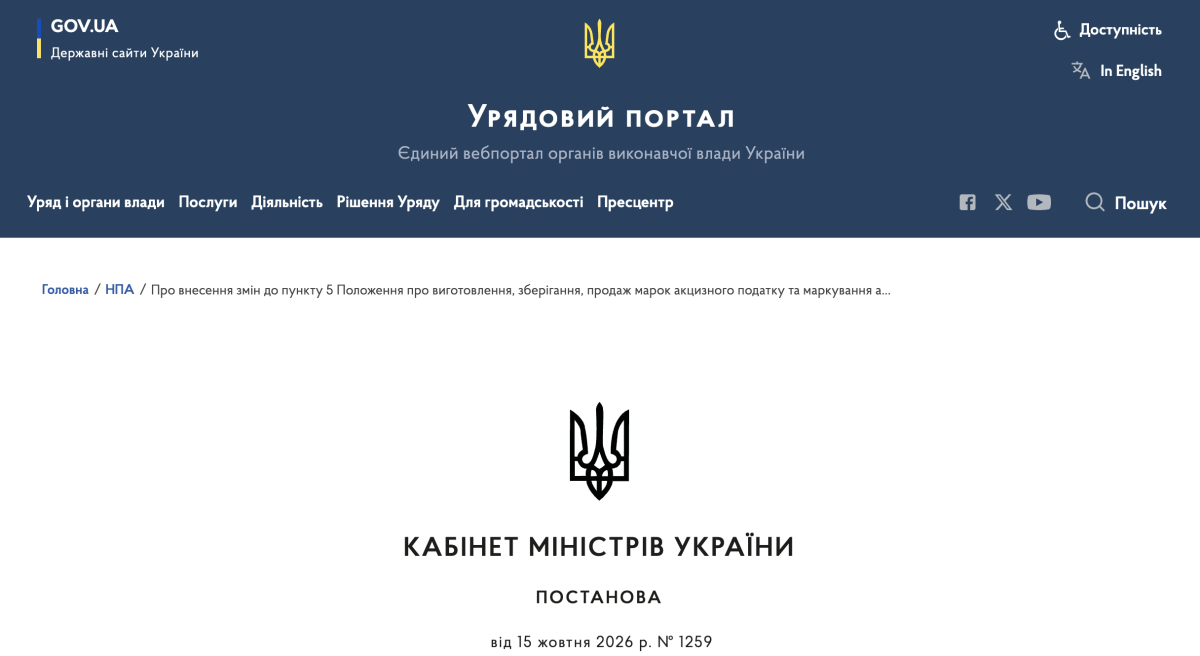
Ukraine's Cabinet of Ministers adopted Resolution No. 1259 on October 15, 2026, increasing excise stamp production fees for tobacco products and e-cigarette liquids by approximately 30.5%, from UAH 0.1643 to UAH 0.2144 per stamp. Fees for alcoholic beverages rose by about 30.2%. Separately, Ukraine's parliament passed Bill No. 15532 on October 13, proposing to postpone the full implementation of electronic excise stamps and traceability for alcohol, tobacco and e-cigarette liquids from November 1, 2026, to July 1, 2027. Parliament cited additional testing, configuration and integration requirements. The bill was sent to the president for signature on October 19.
Regulations
Oct.21
South Korea Extends Vape Rules to Unmanned Stores After Bringing Synthetic Nicotine Under Tobacco Law
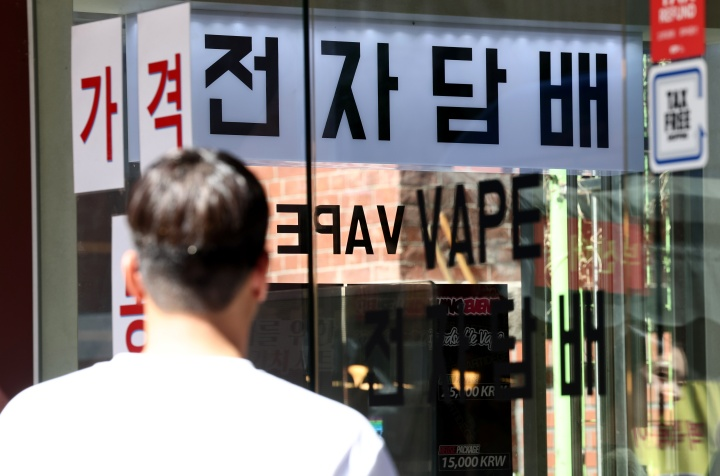
South Korea's Ministry of Gender Equality and Family said on September 14 that it plans to designate unmanned e-cigarette stores as businesses where minors are prohibited from entering or working. Operators would be required to verify customers' ages and display notices restricting access by minors. The proposal is open for public comment through October 6. The move follows an April expansion of South Korea's statutory tobacco definition that brought products made with natural or synthetic nicotine under the Tobacco Business Act. Nicotine-free liquids and products using nicotine analogues such as 6-methylnicotine, however, remain an emerging regulatory issue.
Sep.21
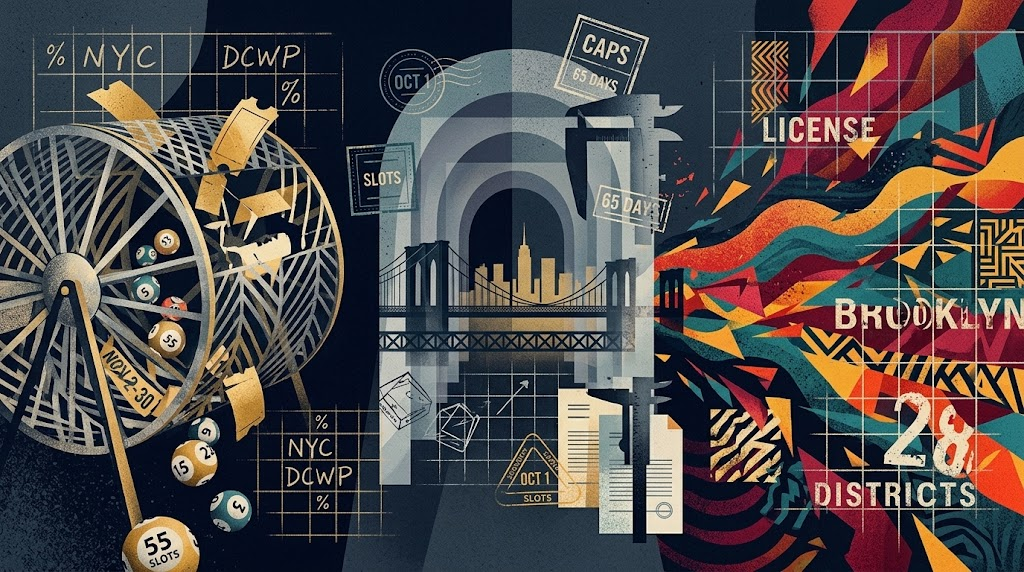
New York City Opens Lottery for 55 Vape Retail License Slots Across 23 Community Districts, Including 28 in Brooklyn
New York City's Department of Consumer and Worker Protection (DCWP) opened applications on November 2, 2026, for a lottery covering tobacco and electronic cigarette retail dealer licenses, with a deadline of 5 p.m. New York local time on November 30. According to the city's October 1 notice, 55 electronic cigarette retail license slots are available across 23 community districts, including 28 in Brooklyn, alongside 322 tobacco retail license slots across 41 districts. Businesses must enter the lottery and, if invited, complete licensing requirements within 65 days. New York City continues to restrict e-cigarette retail sales to tobacco-flavored or unflavored products, while city retail licenses do not replace FDA product marketing authorization.
Market
Nov.04