Please note: The main information in this article is sourced from a report in The Wall Street Journal.
Key Takeaways
- The Wall Street Journal reported that the White House is pushing to expand flavored vape availability, while FDA Commissioner Marty Makary is blocking the effort.
- A memo from Makary’s office prevented authorization of Glas flavors including menthol, mango, and blueberry, despite support from FDA scientific reviewers.
- White House spokesman Kush Desai said the White House and FDA are aligned on expanding flavored vape availability for adults only and criticized the Biden administration’s approach.
- Glas said its device includes youth-use prevention features and submitted a 400-person study finding that the flavors helped adults quit smoking more effectively than tobacco flavor.
- Health Secretary Robert F. Kennedy Jr. said new vape flavors have been caught in the regulatory process and that the administration is trying to get American vape products onto the market.
2Firsts, April 20, 2026
According to The Wall Street Journal, the White House is pushing to allow more flavored vape products onto the market for the first time in years, but U.S. Food and Drug Administration Commissioner Marty Makary opposes the move and has blocked the plan.
White House pushes broader flavored vape access while FDA chief resists
The report said a memo from Makary’s office prevented the authorization of several flavors from Los Angeles-based vape maker Glas, including menthol, mango, and blueberry, even though FDA scientific reviewers had previously supported those flavors.
White House spokesman Kush Desai said the White House and FDA are “completely aligned on expanding the availability of flavored vape products for adults, and adults only.” He also said the Biden administration had disregarded evidence that such products are beneficial for adults trying to quit smoking, and that the Trump administration remains committed to correcting that policy.
Glas flavors were held back despite scientific support
According to the report, Glas has been seeking authorization for its vaping device and related flavors for nearly five years. The device includes features intended to prevent youth use and requires users to verify their age through a linked phone app.
FDA authorized the company’s device and a tobacco flavor, but did not move forward with its menthol, mango, and blueberry flavors.
The report said the February memo from Makary’s office stated that FDA needed more time to evaluate the flavors, without detailing the science behind the application.
The report also said FDA had earlier asked Glas to conduct a study evaluating whether those flavors help adult smokers quit more effectively than tobacco flavor. Glas then submitted a 400-person study that found the flavors did help.
Scientific and political positions inside FDA appear to have diverged
The Wall Street Journal said Glas had what company representatives described as an encouraging meeting in February with an FDA scientific official, who repeatedly apologized for delays and said news was coming soon.
Agency documents cited by the report showed that the official later signed a recommendation supporting authorization of the company’s device and flavors.
Glas attorney Stacy Ehrlich said it appeared that, for unclear reasons, FDA political leadership had overruled the expert scientific conclusions of its own tobacco scientists.
Trump administration broadly seen as friendlier to vaping advocates
The report said flavored vapes have long been controversial. In 2020, amid a surge in teen vaping, the U.S. government cracked down on youth-appealing flavors and enacted a ban that left menthol and tobacco products on the market.
In recent years, FDA has declined to authorize flavored vapes. Public health advocates have argued that any flavors pose health risks and put teenagers on a path toward lifelong nicotine use.
Vaping advocates, by contrast, have said flavors, especially ones such as mint that may appeal to adults, can help smokers quit more dangerous cigarettes. They also argue that FDA’s refusal to authorize flavored products has helped drive demand for illegal Chinese vapes sold in flavors such as watermelon and cotton candy.
The article said the second Trump administration has generally been viewed as more favorable to vaping advocates. During his presidential campaign, Trump pledged to “save vaping.”
Kennedy says new flavors are stuck in the regulatory process
Health Secretary Robert F. Kennedy Jr. told a House subcommittee on Thursday that new vape flavors have gotten “caught up in the regulatory process.” He said, “We are doing everything we can now to get American vapes on the market,” and added that people are using those products to quit smoking, “which is something that we like.”
The report also said FDA issued a draft guidance document in March suggesting that the agency could in the future authorize mint, coffee, and other flavors seen as more appealing to adults, while possibly continuing to avoid authorizing fruit flavors. FDA has previously authorized menthol and tobacco flavors.
HHS spokesman Rich Danker said FDA and the White House have been in lockstep on a public-health approach to increase options for current smokers, including flavored vaping products, and said that this was reflected in the FDA draft guidance issued last month. He added that the Glas application remains under review.
Tensions between the White House and Makary remain unresolved
According to The Wall Street Journal, the White House wanted an American company to receive authorization for flavored e-cigarettes, but Makary objected and appealed to White House staff because of concerns about the public-health consequences of authorizing flavors. People familiar with the matter said tensions remain.
Richard Burr, the former North Carolina senator who now leads the Coalition for Smarter Regulation of Nicotine, said, “The holdup quite frankly is Marty Makary,” adding, “We’ve hit a wall.”
Earlier this month, Glas chief executive Sean Greenbaum sent a letter to FDA leaders and copied Kennedy and others. According to the report, the letter said the memo from Makary’s office did not align with the conclusions of the scientific staff and asked FDA to quickly authorize the products that remain in “regulatory limbo,” “without the need for legal action.”
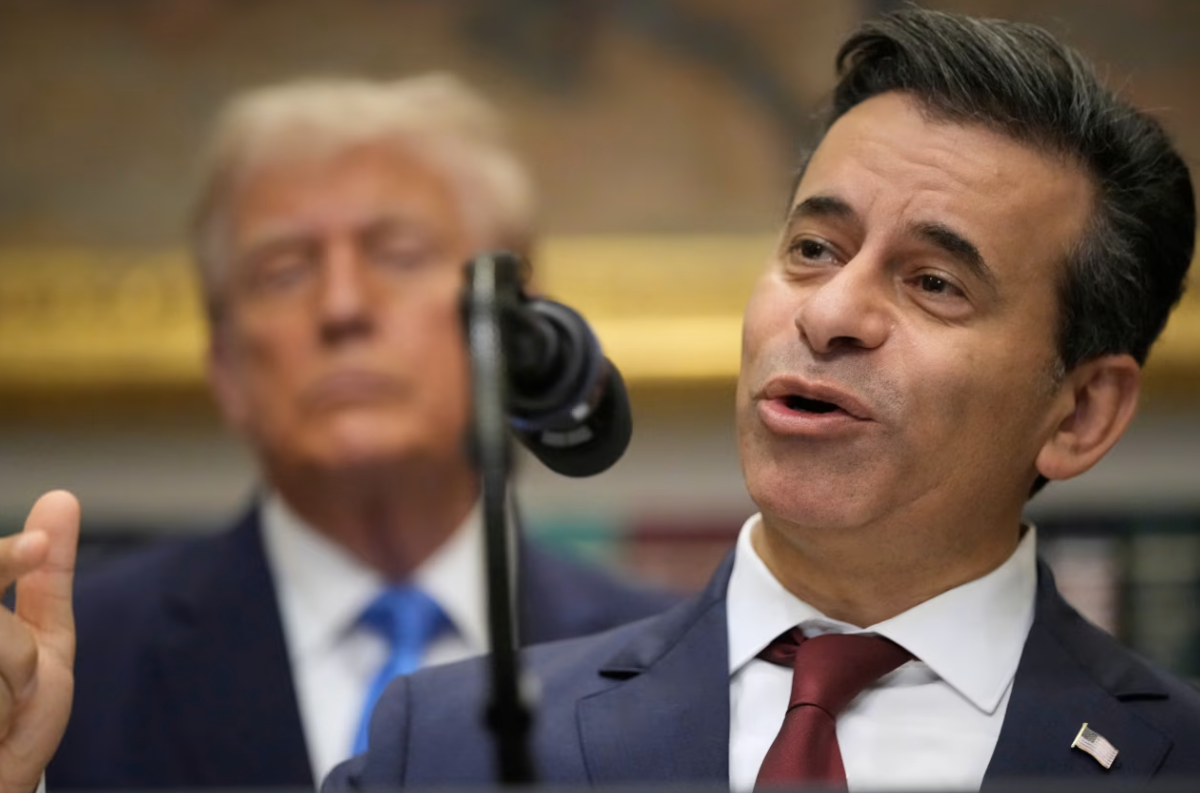
Image Source: The Wall Street Journal
We welcome news tips, article submissions, interview requests, or comments on this piece.
Please contact us at info@2firsts.com, or reach out to Alan Zhao, CEO of 2Firsts, on LinkedIn
Notice
1. This article is intended solely for professional research purposes related to industry, technology, and policy. Any references to brands or products are made purely for objective description and do not constitute any form of endorsement, recommendation, or promotion by 2Firsts.
2. The use of nicotine-containing products — including, but not limited to, cigarettes, e-cigarettes, nicotine pouchand heated tobacco products — carries significant health risks. Users are responsible for complying with all applicable laws and regulations in their respective jurisdictions.
3. This article is not intended to serve as the basis for any investment decisions or financial advice. 2Firsts assumes no direct or indirect liability for any inaccuracies or errors in the content.
4. Access to this article is strictly prohibited for individuals below the legal age in their jurisdiction.
Copyright
This article is either an original work created by 2Firsts or a reproduction from third-party sources with proper attribution. All copyrights and usage rights belong to 2Firsts or the original content provider. Unauthorized reproduction, distribution, or any other form of unauthorized use by any individual or organization is strictly prohibited. Violators will be held legally accountable.
For copyright-related inquiries, please contact: info@2firsts.com
AI Assistance Disclaimer
This article may have been enhanced using AI tools to improve translation and editorial efficiency. However, due to technical limitations, inaccuracies may occur. Readers are encouraged to refer to the cited sources for the most accurate information.
We welcome any corrections or feedback. Please contact us at: info@2firsts.com