Zim Tobacco Earnings Surpass Last Year’s

Business
Jul.07.2022

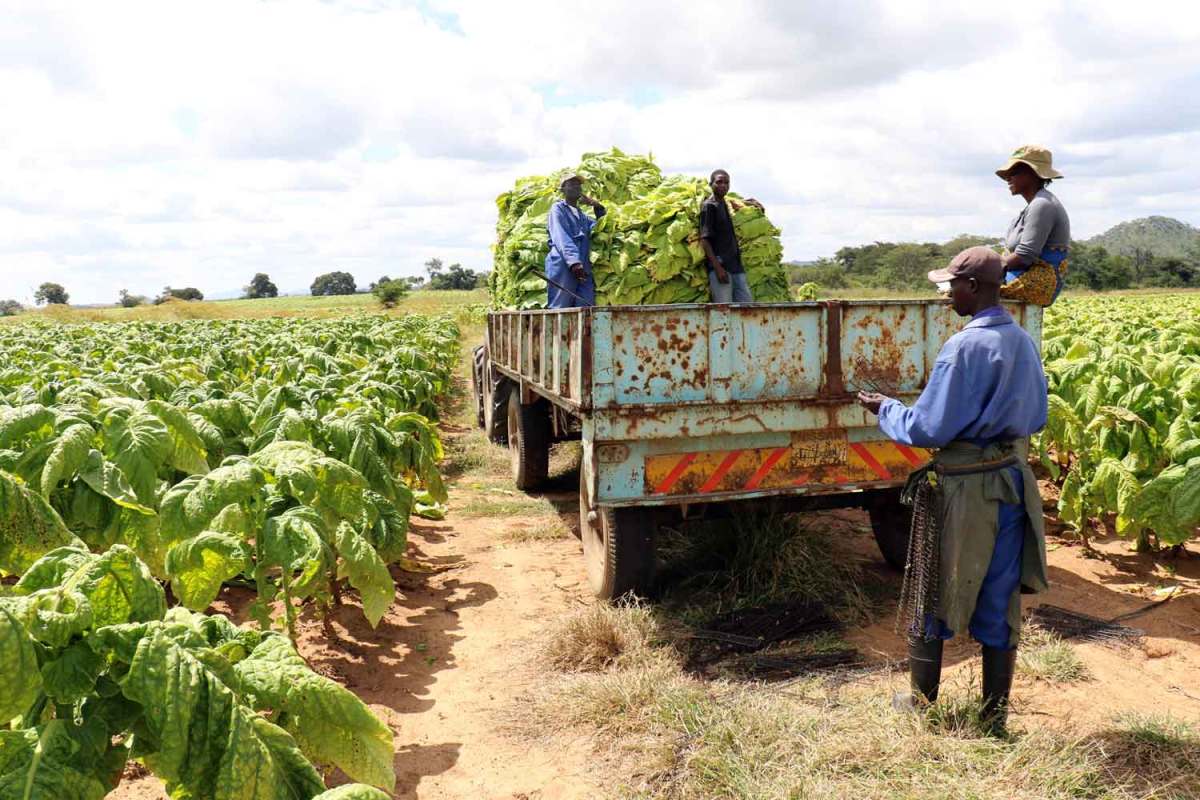
Zimbabwean tobacco growers had sold 167 million of tobacco and earned $505 million by the end of June, reports The Herald, citing statistics from the Tobacco Industry and Marketing Board.
Zim Tobacco Earnings Surpass Last Year’s

By comparison, in the entire 2021 marketing season, farmers pocketed $504 million from the sale of 183 kg.


While this year’s volumes are lower than in 2021, the higher quality has been commanding better prices, according to experts.


The average price for this year is $3.02 per kg while that of last season was $2.76 per kg. The lion’s share of Zimbabwean tobacco is sold under a contract system. Only 5 percent of farmers are sufficiently solvent to borrow from banks or fund their own operations.


Tobacco is a key crop for Zimbabwe, with exports and supporting activities contributing earnings of more than $1.2 billion annually.


Eager to capture more value from the golden leaf, the government aims to transform the business into a $5 billion industry by 2025. Its Tobacco Value Chain Transformation plan calls for increasing primary production to 300 million kg by 2025 and localizing financing for smallholder farmers, among other initiatives.


The content excerpted or reproduced in this article comes from a third-party, and the copyright belongs to the original media and author. If any infringement is found, please contact us to delete it. Any entity or individual wishing to forward the information, please contact the author and refrain from forwarding directly from here.


Poland to ban “characterising flavours” in heated tobacco sticks from Jan. 18, 2026
Poland will implement an amended health protection law on January 18, 2026, restricting the availability of tobacco inserts used in heated tobacco devices. The new rules prohibit products with a “characterising flavour,” meaning a clearly noticeable taste or smell other than tobacco, derived from additives and detectable before or during use.
Jan.20 by 2FIRSTS.ai
Belarus plans to tighten licensing for e-cigarette and e-liquid trade; Lukashenko expresses support
A report says Belarus plans to tighten, at the legislative level, the licensing of trade in electronic cigarettes and related mixtures (e-liquids). The draft law was discussed at a meeting chaired by President Alexander Lukashenko with the leadership of the Council of Ministers, according to a BelTA correspondent.
Feb.06 by 2FIRSTS.ai
Malaysia’s MOH aims to implement a vape ban in 2026, starting with open pod systems
Bernama (Malaysia’s national news agency) reported that Health Minister Datuk Seri Dr Dzulkefly Ahmad said the Ministry of Health aims to implement a vape ban this year, beginning with open pod systems, and will not compromise on enforcing the Control of Smoking Products for Public Health Act 2024 (Act 852).
Jan.06 by 2FIRSTS.ai
2Firsts’ Nine Global Turning Points: How 2025 Reshaped the Nicotine Industry
In 2025, the global nicotine industry reached a critical turning point. Regulatory realignment, category shifts, capital repositioning and technological intervention unfolded in parallel, loosening old structures while new ones took shape. 2Firsts reviews nine pivotal events that reshaped the industry’s trajectory.
Jan.14
BAT’s Product Strategy Reset: A Structural Analysis of Its Post-FY2025 Competitive Architecture
Drawing on BAT’s FY2025 results and earnings call, 2Firsts finds the company shifting from category expansion to competitive entrenchment across Vapour, Modern Oral, Heated Products and Combustibles. The strategy centers on connected devices, geographic customization and portfolio tiering. While structurally coherent, financial returns depend on consistent regulatory enforcement against illicit competitors, making policy execution a key variable for 2026 performance.
Feb.12
HB337 Moves Forward: Cigarette and Nicotine Taxes Set to Rise in Utah
Utah lawmakers are advancing HB337, a bill that would raise the state cigarette tax by $2 per pack and restructure taxes on other nicotine products. The proposal replaces weight-based taxes with percentage-based rates and removes reduced rates for certain modified risk products. Supporters say it will curb youth tobacco use, while opponents warn of cross-border shopping and harm to consumers seeking alternatives.
Feb.17