Key Takeaways
- Fourteen U.S. state attorneys general sent a joint April 14, 2026 letter to the legal representatives of Visa, Mastercard, American Express and Discover asking for help stopping illicit e-cigarette sales.
- The letter says illicit e-cigarettes account for more than 80% of U.S. e-cigarette sales and generate more than $11 billion in annual retail sales.
- The attorneys general said FDA has authorized only 41 e-cigarette products for legal sale in the United States, while thousands of unauthorized brands continue using the card networks to facilitate transactions.
- The letter highlights five main concerns: public health, youth targeting, widespread retail distribution, widespread e-commerce availability, and links to transnational criminal activity.
- The letter also urges U.S. trade officials to seek enforceable commitments from China covering export controls, destination-market compliance, proper classification and origin declarations, and ongoing oversight.
2Firsts, April 17, 2026
According to a joint letter signed on April 14, 2026 by 14 U.S. state attorneys general, the officials asked Visa, Mastercard, American Express and Discover to immediately help stop the sale of illicit e-cigarette products by cutting off payment access.
Fourteen state attorneys general sent the letter to major payment networks
The letter was addressed to Visa General Counsel Julie Rottenberg, Mastercard General Counsel Tiffany Hall, American Express Chief Legal Officer Lauren Seeger, and Capital One Financial Corp General Counsel Matthew Cooper.
The signatories included the attorneys general of Iowa, Alabama, Arkansas, Georgia, Indiana, Kentucky, Montana, Nebraska, North Dakota, South Carolina, South Dakota, Utah and West Virginia.
The letter says illicit vapes account for more than 80% of the U.S. market
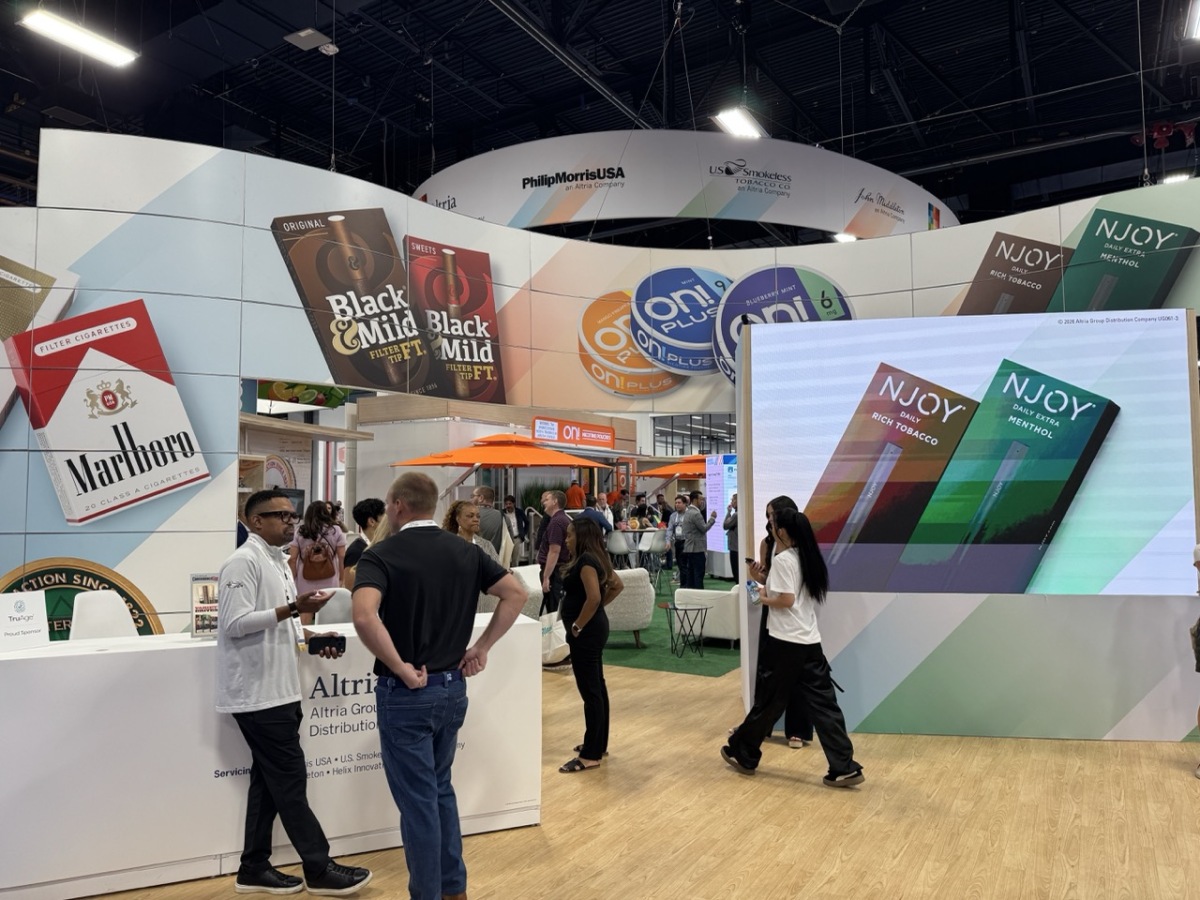
According to the letter, illicit e-cigarette products now make up almost all of the U.S. e-cigarette market, generate more than $11 billion in annual retail sales, and account for more than 80% of all e-cigarette sales nationwide.
The attorneys general said FDA has authorized only 41 e-cigarette products for legal sale in the United States, while thousands of unauthorized brands continue to use the payment networks to facilitate illegal transactions.
The attorneys general identified five major risks
The letter says the problem is especially alarming in five areas: public health, youth exploitation, widespread retail distribution, widespread e-commerce availability, and transnational criminal activity.
The attorneys general said these products bypass FDA’s premarket scientific review, meaning their nicotine and chemical contents have not been evaluated against the “Appropriate for the Protection of Public Health” standard required by law.
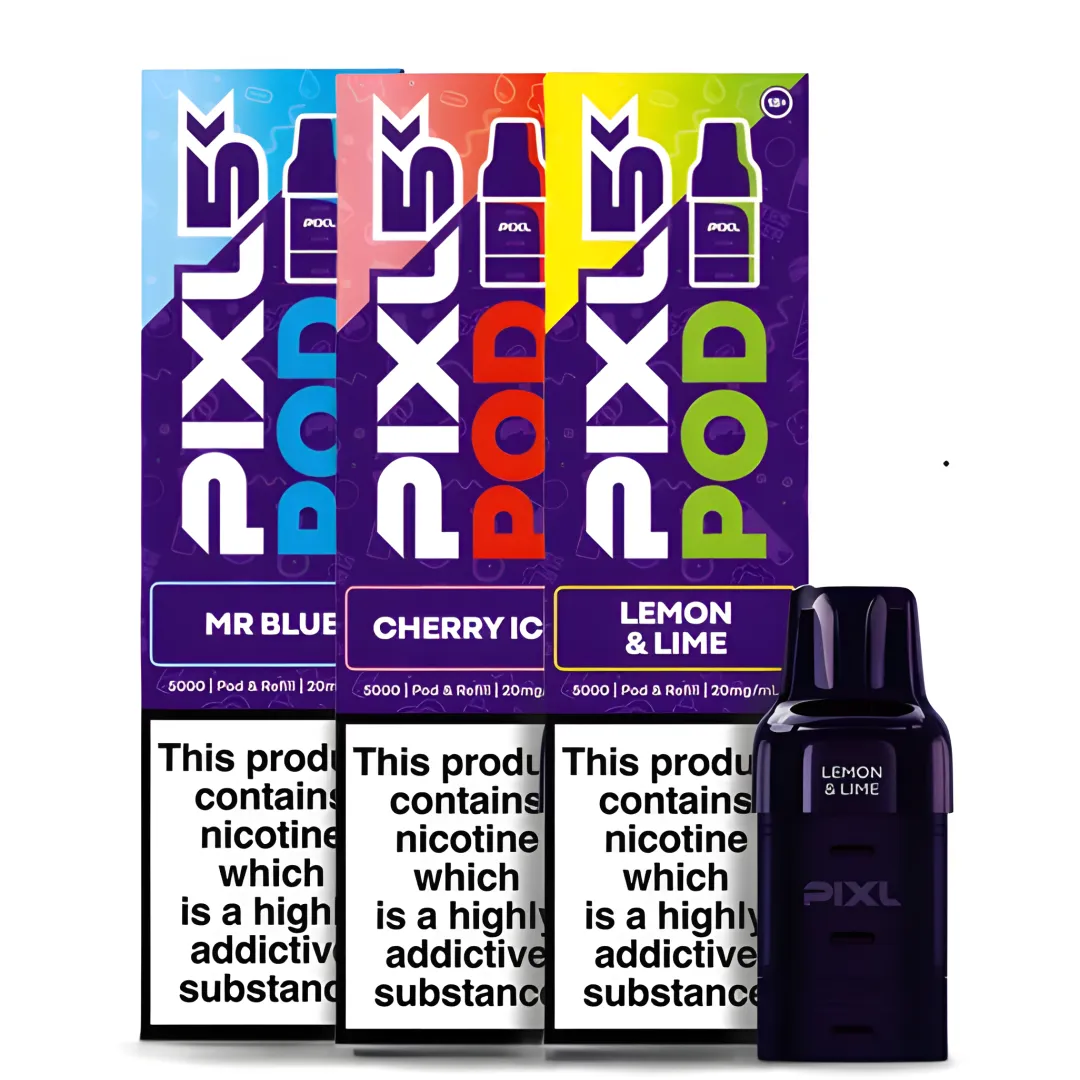
They also said many illicit brands are deliberately designed, packaged, and marketed with colors and flavors that appeal to children.
The letter further says illicit e-cigarettes are sold in more than 100,000 retail locations nationwide, including gas stations, independent convenience stores, and vape shops.
It also says they are sold openly through e-commerce platforms that often lack robust age-verification protocols and are distributed through national carriers such as USPS, UPS and FedEx, with shipments often deliberately mislabeled to bypass federal shipping rules and PACT Act adult-signature requirements.
On transnational crime, the letter says federal investigations have identified clear links between this illicit supply chain and Chinese money laundering networks, Mexican drug cartels, and other criminal organizations.
The letter asks payment platforms to remove merchants selling illicit vapes
The attorneys general said financial institutions and payment networks play a critical role in processing these sales and therefore must do more to identify and remove merchants engaged in illicit e-cigarette sales.
The letter says selling these products violates card-network rules concerning illegal transactions, prohibited and high-risk merchant categories, and brand protection, and that acquirers must fulfill their Know Your Customer and monitoring duties and use notice-based enforcement authority to terminate non-compliant accounts.
The letter adds that once on notice of such activity, payment platforms must deny access to their services and take affirmative steps to identify, investigate, and remove merchants engaged in unlawful sales from their networks.
The attorneys general also seek enforceable China-related commitments
The letter also asks U.S. trade officials to seek binding and enforceable commitments from the People’s Republic of China, including requirements to prevent exports of e-cigarette products to the United States without FDA marketing authorization, ensure enforcement of destination-market compliance rules, ensure correct HTS classification, declared value and country of origin, and establish transparent, verifiable obligations with ongoing oversight mechanisms.
Image source: Iowa Department of Justice / Office of the Attorney General
We welcome news tips, article submissions, interview requests, or comments on this piece.
Please contact us at info@2firsts.com, or reach out to Alan Zhao, CEO of 2Firsts, on LinkedIn
Notice
1. This article is intended solely for professional research purposes related to industry, technology, and policy. Any references to brands or products are made purely for objective description and do not constitute any form of endorsement, recommendation, or promotion by 2Firsts.
2. The use of nicotine-containing products — including, but not limited to, cigarettes, e-cigarettes, nicotine pouchand heated tobacco products — carries significant health risks. Users are responsible for complying with all applicable laws and regulations in their respective jurisdictions.
3. This article is not intended to serve as the basis for any investment decisions or financial advice. 2Firsts assumes no direct or indirect liability for any inaccuracies or errors in the content.
4. Access to this article is strictly prohibited for individuals below the legal age in their jurisdiction.
Copyright
This article is either an original work created by 2Firsts or a reproduction from third-party sources with proper attribution. All copyrights and usage rights belong to 2Firsts or the original content provider. Unauthorized reproduction, distribution, or any other form of unauthorized use by any individual or organization is strictly prohibited. Violators will be held legally accountable.
For copyright-related inquiries, please contact: info@2firsts.com
AI Assistance Disclaimer
This article may have been enhanced using AI tools to improve translation and editorial efficiency. However, due to technical limitations, inaccuracies may occur. Readers are encouraged to refer to the cited sources for the most accurate information.
We welcome any corrections or feedback. Please contact us at: info@2firsts.com