Vape Companies Enter 2023 Guangdong Manufacturing Industry Top 500

Business by 2FIRSTS.ai
Nov.28.2023
Vape Companies Enter 2023 Guangdong Manufacturing Industry Top 500
At the 2023 Guangdong Manufacturing Top 500 Summit in Foshan, a report listed the top companies, with Shenzhen dominating.

On November 21st, the "2023 Guangdong Manufacturing Top 500 Enterprises Summit" was held in Foshan, where the "2023 Guangdong Manufacturing Top 500 Enterprises Research Report" (hereinafter referred to as the "Report") was released. According to the list of the top 500 enterprises, Shenzhen had the highest number of enterprises with 133 companies being listed.
Vape Companies Enter 2023 Guangdong Manufacturing Industry Top 500


According to the list, the top 10 companies on the ranking are Zhengwei International, Huawei, Foxconn, BYD, Midea, Guangzhou Automation, Gree, TCL, China COSCO Shipping, and ZTE Communications.
Vape Companies Enter 2023 Guangdong Manufacturing Industry Top 500


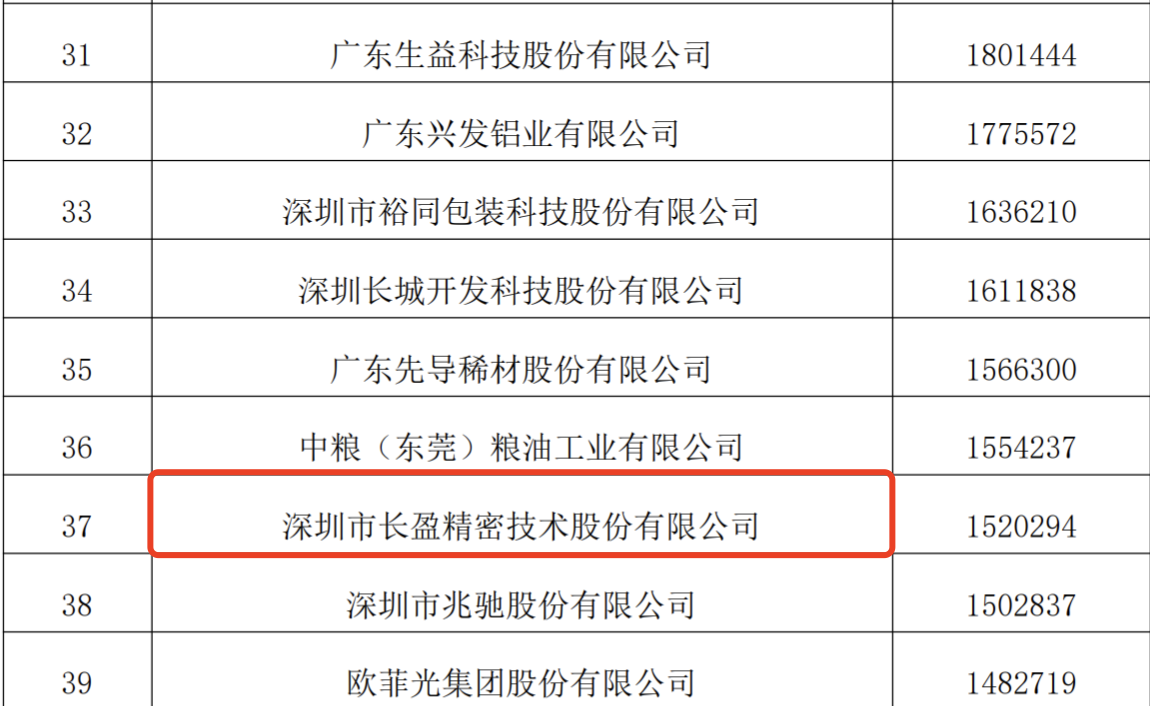
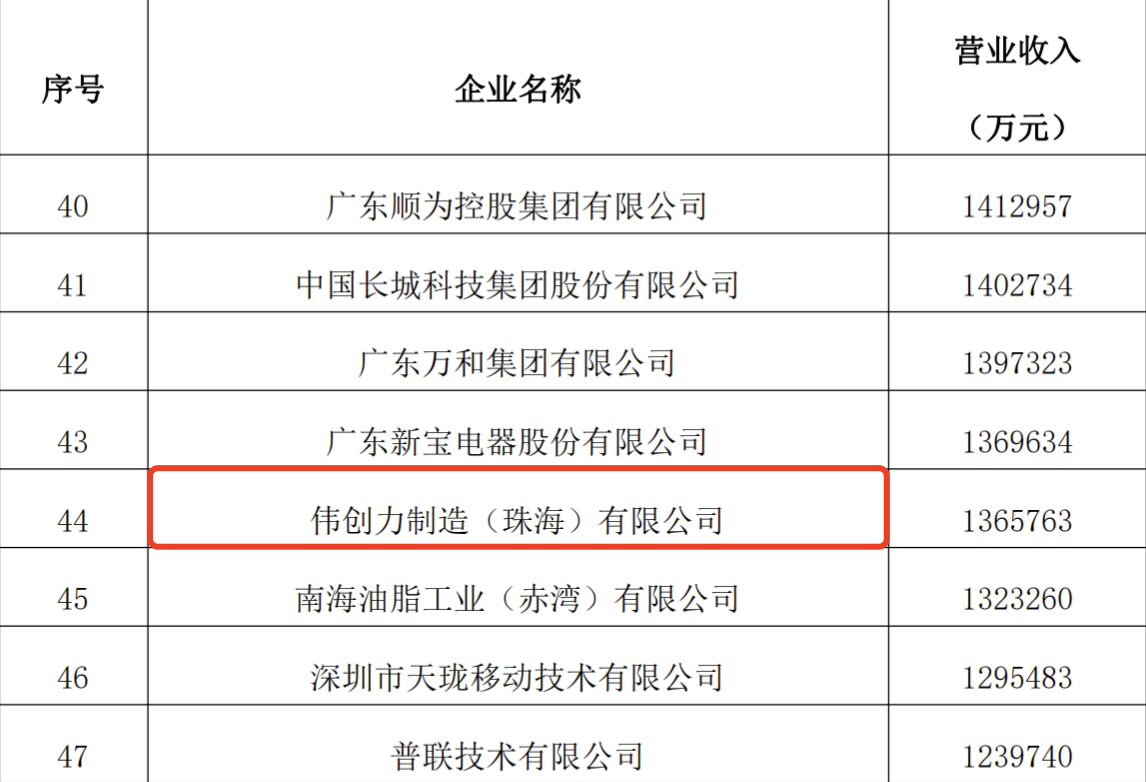
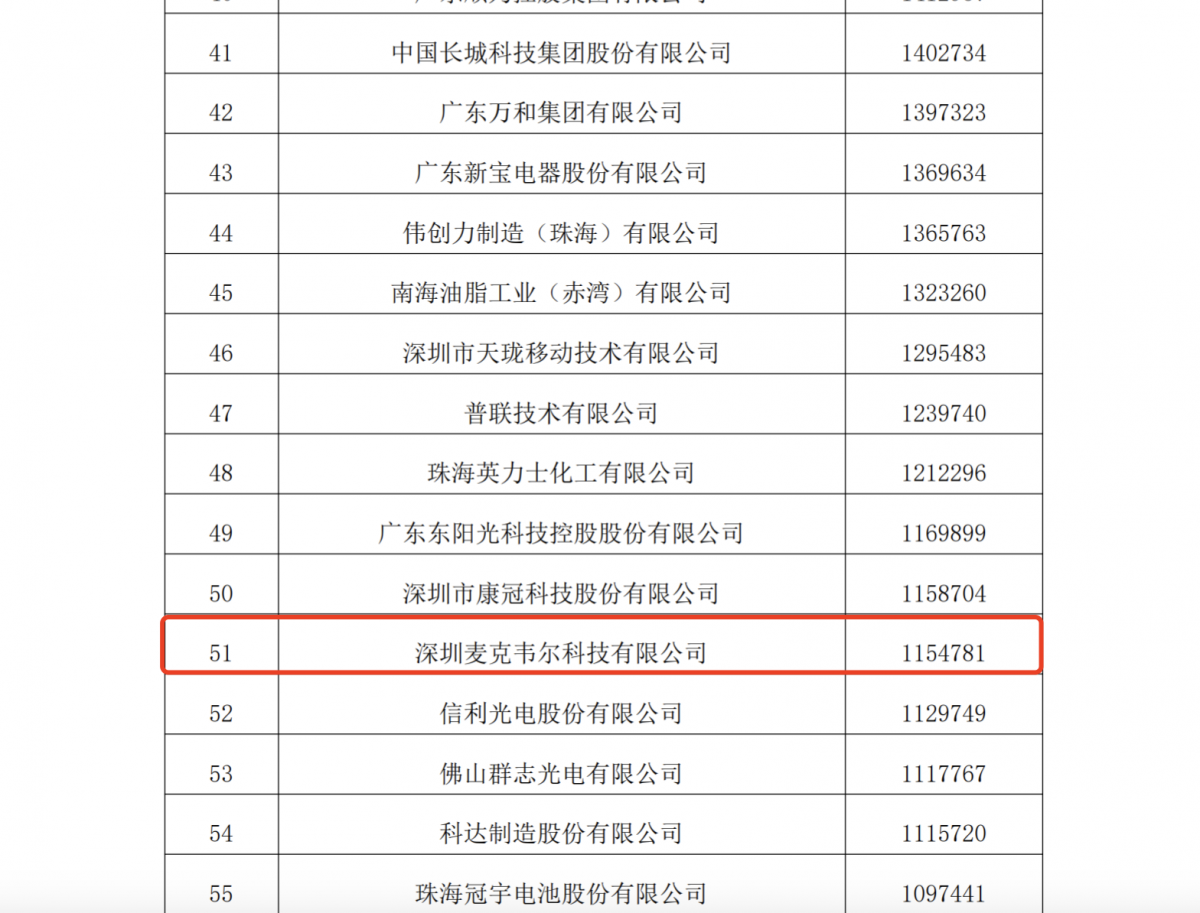
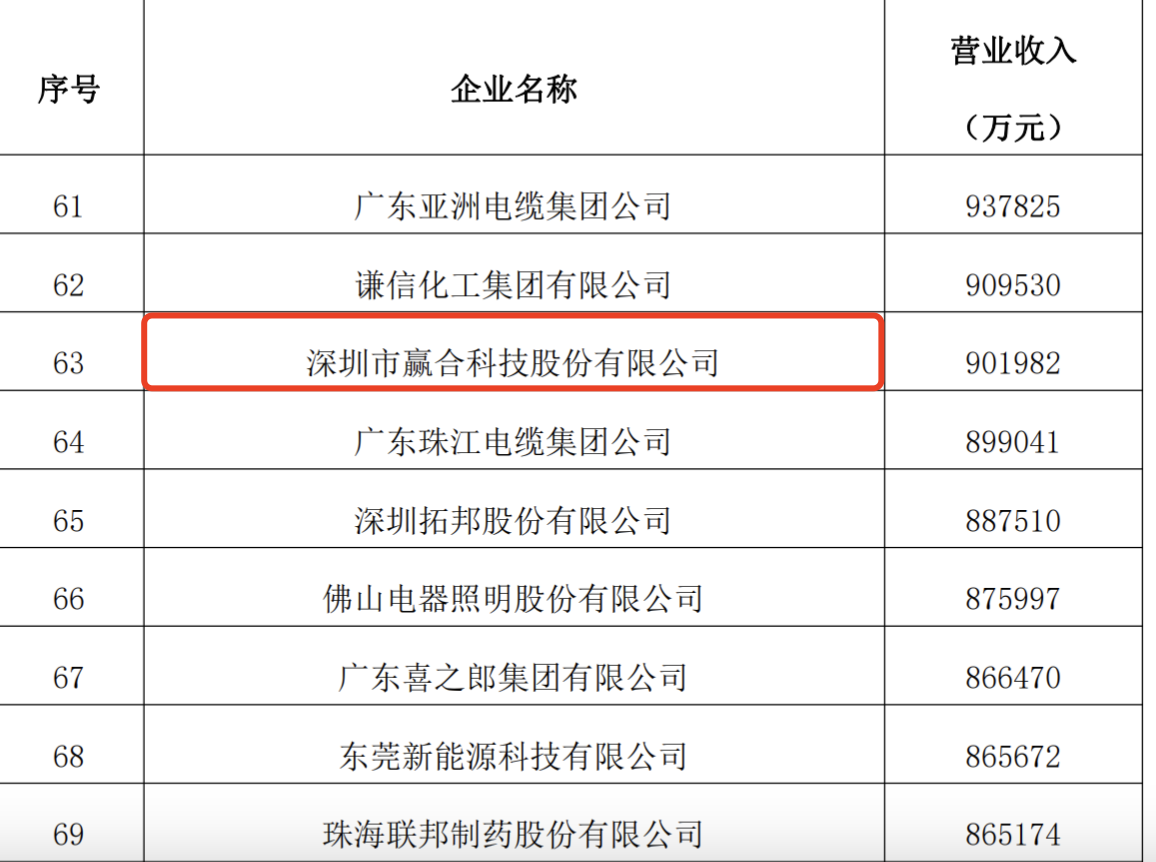
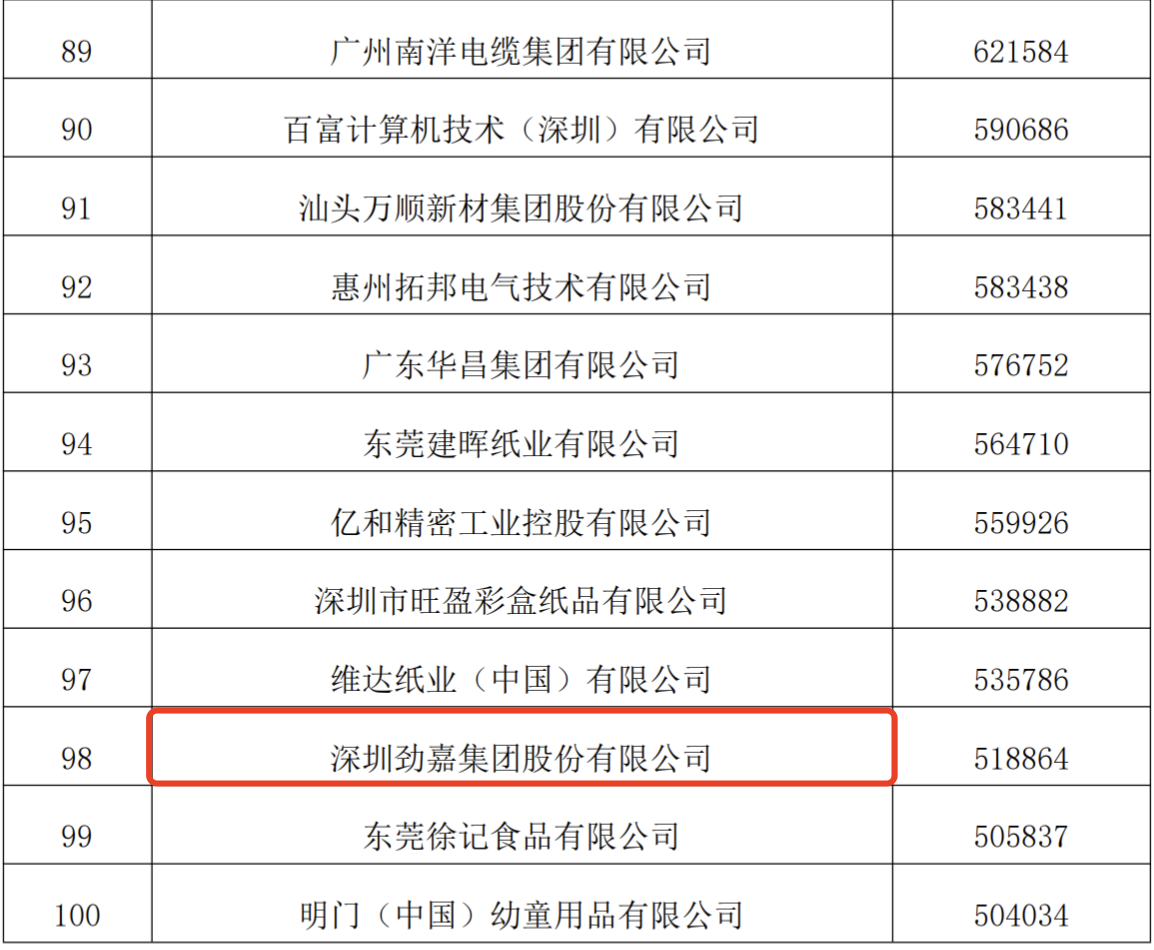
Seven e-cigarette manufacturing companies were selected, namely:
Vape Companies Enter 2023 Guangdong Manufacturing Industry Top 500


Changying Precision (37), Wistron (44), Shenzhen Smoore Technology Co., Ltd. (51), Shenzhen Yinghe Technology Co., Ltd. (63), Shenzhen Jingjia Group Co., Ltd. (98), Shenzhen VOOPOO Technology Co., Ltd. (185), and Shenzhen FirstUnion Technology Co., Ltd. (202).
Vape Companies Enter 2023 Guangdong Manufacturing Industry Top 500


Vape Companies Enter 2023 Guangdong Manufacturing Industry Top 500

We welcome news tips, article submissions, interview requests, or comments on this piece.

Please contact us at info@2firsts.com, or reach out to Alan Zhao, CEO of 2Firsts, on LinkedIn


Notice

1.  This article is intended solely for professional research purposes related to industry, technology, and policy. Any references to brands or products are made purely for objective description and do not constitute any form of endorsement, recommendation, or promotion by 2Firsts.

2.  The use of nicotine-containing products — including, but not limited to, cigarettes, e-cigarettes, nicotine pouchand heated tobacco products — carries significant health risks. Users are responsible for complying with all applicable laws and regulations in their respective jurisdictions.

3.  This article is not intended to serve as the basis for any investment decisions or financial advice. 2Firsts assumes no direct or indirect liability for any inaccuracies or errors in the content.

4.  Access to this article is strictly prohibited for individuals below the legal age in their jurisdiction.


Copyright


This article is either an original work created by 2Firsts or a reproduction from third-party sources with proper attribution. All copyrights and usage rights belong to 2Firsts or the original content provider. Unauthorized reproduction, distribution, or any other form of unauthorized use by any individual or organization is strictly prohibited. Violators will be held legally accountable.

For copyright-related inquiries, please contact: info@2firsts.com


AI Assistance Disclaimer


This article may have been enhanced using AI tools to improve translation and editorial efficiency. However, due to technical limitations, inaccuracies may occur. Readers are encouraged to refer to the cited sources for the most accurate information.

We welcome any corrections or feedback. Please contact us at: info@2firsts.com

Bringing Tax and Insurance Into Nicotine Regulation: Insights From a Tobacco Harm-Reduction Report
A smoke-free nicotine policy report argues that tobacco harm reduction should move beyond product bans and health warnings into tax policy, insurance pricing and risk-based regulation. While some projections remain open to debate, the report highlights a wider challenge: nicotine products, technologies and consumer behavior have changed sharply over the past decade, and regulatory systems may need new tools to better align tobacco control with harm-reduction goals.
Jun.08
Australia’s Daily Smoking Rate Falls to Record Low of 5.8% as Nicotine Use Patterns Shift
According to the Australian Institute of Health and Welfare’s National Drug Strategy Household Survey, daily smoking among Australians aged 18 and over fell to a record low of 5.8% in 2025. Health Minister Mark Butler said Australia now has around 500,000 fewer daily smokers than three years ago and credited the government’s vaping reforms as part of broader progress. Among people aged 14 and over, daily smoking declined from 8.3% in 2022-23 to 5.6% in 2025. Daily vaping rates stabilised at 3.6%, while the government also moved to further restrict access to nicotine pouches through unapproved therapeutic import pathways.
Jul.21
Product | APUS Launches Chloe 50K, Bringing Purse-Inspired Design to the U.S. High-Puff Disposable Market
APUS has introduced the Chloe 50K disposable vape, which has appeared across U.S.-facing online retail channels including Element Vape and Vapesourcing. The device combines a purse-inspired body and chain attachment with a 20ml e-liquid capacity, 1,250mAh rechargeable battery, dual mesh coil, and battery and e-liquid indicators. It is rated for up to 50,000 puffs. The product does not appear on the FDA’s current list of authorized e-cigarettes, and U.S. retail availability does not indicate FDA marketing authorization.
Jul.15
BAT Restructuring to Affect 9,000 Roles as Tobacco Group Pushes Cost Cuts and AI
British American Tobacco (BAT) plans to cut about 5,500 jobs globally and shift around 3,500 roles to strategic partners by the end of 2026, affecting about 9,000 roles in total, as the company seeks to simplify operations, strengthen technology capabilities and deliver £600 million in annual savings by 2028.
BAT
Jun.29
Illegal Vape Sellers Still Use TikTok and Other Platforms to Drive Sales Despite Australia’s Ad Ban
Illegal vape sellers are still promoting nicotine products on TikTok, Instagram and YouTube despite Australia’s 2024 advertising ban, while illicit tobacco sales are increasingly moving from physical stores to online marketplaces.
Jul.15
EU Tobacco Rules Face Pushback as Analysis Says 90% of Consultation Responses Raised Objections
An analysis by We Are Innovation says more than 90% of over 82,000 responses to the European Commission’s public consultation on the Tobacco Products Directive revision raised at least one substantial objection to the proposed regulatory direction.
Jul.13