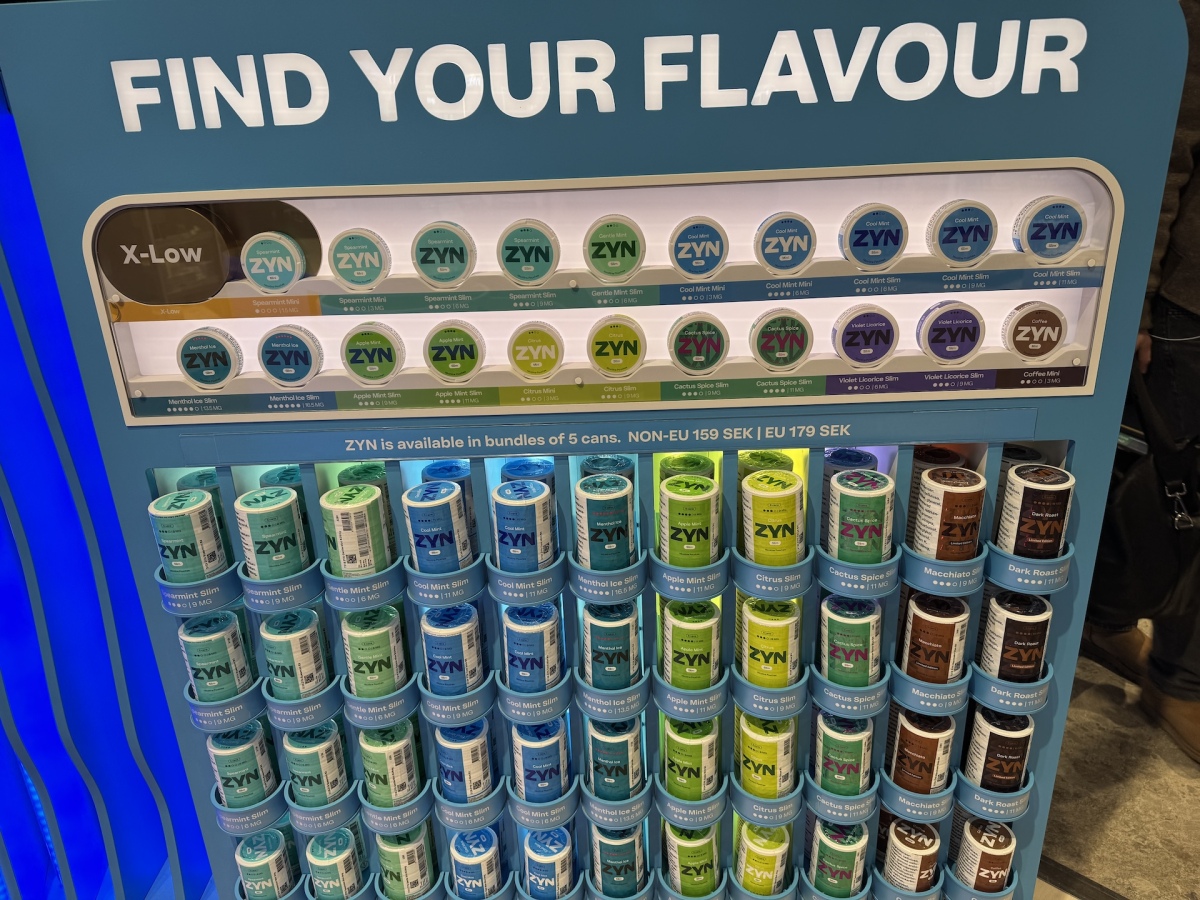
In May, the electronic cigarette exhibitions in Stuttgart, Germany and Birmingham, UK concluded successfully. 2FIRSTS participated throughout both exhibitions and provided readers who are interested in the development of electronic cigarettes with up-to-the-minute coverage.
At the Stuttgart electronic cigarette exhibition in Germany, 2FIRSTS actively participated in in-depth exchanges and interviews with exhibitors, industry experts, and consumers.
The representatives from 2FIRSTS witnessed German law enforcement authorities conducting inspections and law enforcement activities at the trade fair, which demonstrated the importance that German organizations place on compliance and quality. During discussions with exhibitors and professionals from the German e-cigarette industry, it was found that disposable e-cigarette products are being questioned by local practitioners, while interchangeable e-cigarette products are favored by industry insiders. These observations reflect their awareness and considerations of the future German e-cigarette market.
The electronic cigarette exhibition in Birmingham, UK was also full of exciting and diverse offerings, providing a platform for innovation and trends within the industry. 2FIRSTS gained insight into the needs and concerns of exhibitors and industry professionals through communication and interaction at the event.
Distributors have weighed in on the recent "excessive levels of chemicals in e-cigarette liquid" incident in the UK, stating that it has caused some impact on the industry, but also serves as a warning to prioritize product quality and safety. Major e-cigarette brands have introduced their new products and technologies at the exhibition, with representatives highlighting the importance of industry sustainability and green circular development through their e-cigarette recycling program. They stated that they will promote the collection and reuse of e-cigarette products to reduce their impact on the environment and actively participate in industry sustainable development initiatives.
During these two exhibitions, 2FIRSTS focused on the regulatory trends of electronic cigarettes in Europe, manufacturers' technological innovations, and future trends in electronic cigarette products.
The 2FIRSTS team not only conducted interviews and coverage at the exhibition site, but also disseminated the latest industry news to readers through various channels. During the exhibition, 2FIRSTS' website and social media platforms became an important source for readers to obtain reliable information.
The recent electronic cigarette exhibitions in Stuttgart, Germany and Birmingham, UK brought new opportunities and insights for the industry. 2FIRSTS will continue to follow the developments in the electronic cigarette industry and is committed to providing professional, objective and comprehensive coverage to its readers.
Disclaimer
This article is provided solely for professional research, industry discussion, and informational purposes. Any references to brands, companies, products, technologies, or policies are made for factual reporting and analytical purposes only, and do not constitute endorsement, recommendation, promotion, or advertising by 2Firsts.
Nicotine-containing products, including but not limited to cigarettes, e-cigarettes, heated tobacco products, and nicotine pouches, carry significant health risks. Readers are responsible for complying with all applicable laws and regulations in their respective jurisdictions, including age restrictions and access limitations.
The information contained in this article should not be regarded as investment, legal, medical, regulatory, or commercial advice. While 2Firsts strives to ensure the accuracy and reliability of its content, it does not assume liability for any direct or indirect loss arising from errors, omissions, inaccuracies, or reliance on the information contained herein.
This article is not intended for individuals below the legal age for accessing tobacco or nicotine-related information in their jurisdiction.
Copyright Notice
This article is either original content produced by 2Firsts or content reproduced, translated, summarized, or adapted from third-party sources with attribution where applicable. The intellectual property rights of the original content remain with 2Firsts or the respective original rights holders.
No individual or organization may copy, reproduce, distribute, republish, modify, translate, or otherwise use this content without prior authorization. Any unauthorized use may result in legal action.
For copyright-related inquiries, corrections, or removal requests, please contact: info@2firsts.com.
AI-Assisted Translation and Editing Notice
Portions of this article may have been translated, edited, or reviewed with the assistance of artificial intelligence tools to improve efficiency and readability. Due to the limitations of AI-assisted translation and editing, discrepancies, omissions, or inaccuracies may exist when compared with the original source.
Where applicable, readers are advised to refer to the original source for the most complete and accurate information. If you identify any errors or believe that any content infringes upon your rights, please contact us at info@2firsts.com, and we will review and address the matter promptly.