Key Points:
- The nicotine pouch market is growing rapidly, with InterTabac exhibitors rising from 85 in 2024 to 110 in 2025.
- Industry players predict a shake-out as short-term “fly-by-night” brands are eliminated by tightening regulations and competition.
- Long-term success requires in-house production, consistent quality, and sustained investment in labs and supply chains.
- Stricter regulations are expected to enhance consumer safety, build trust, and drive industry standardization.
- Flavor bans, nicotine limits, and plain packaging are likely to accelerate market consolidation.
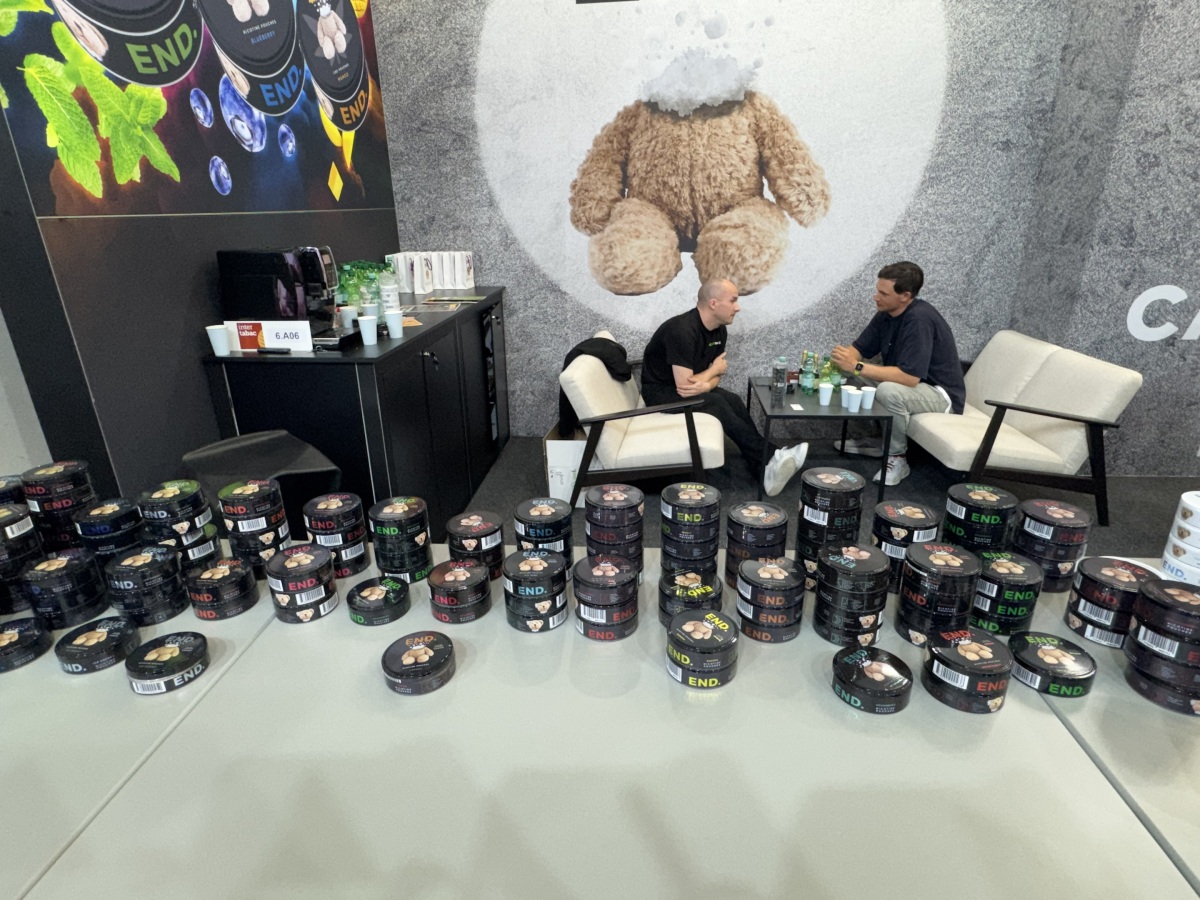
2Firsts, September 19, 2025, Dortmund, Germany — While it seems odd to characterize the market for a smokeless product as “on fire,” it’s an apt description for the nicotine pouch category. For evidence, look no further than the exhibition halls of the InterTabac trade fair in Dortmund, Germany. According to Nina Kupferschmidt of Westfalenhallen’s marketing and sales department, the number of nicotine pouch exhibitors jumped from 85 in 2024 to 110 this year.
2Firsts spoke with several exhibitors about the relentless growth of the category. While all expected sales of nicotine pouches to keep growing, they also predicted a shakeout in the category as the least committed players succumb to regulation or competition.
Walid El Saad, founder of Nordic Brandbase, a partner of ICE, described a rapidly growing but volatile nicotine pouch market where many small, opportunistic brands appear briefly and disappear. He noted that low barriers to entry—contract manufacturing and minimal investment—encourage “overnight” brands, but insisted that lasting success demands consistent quality, direct control of manufacturing and labs, and sufficient scale to interest major distributors. Without those, El Saad noted, newcomers are quickly killed off by competition and stricter regulation.

El Saad said he welcomes stricter regulation, arguing that it protects consumers, builds confidence and removes unsafe “Wild West” operators. He predicted that within five years, stronger rules will filter out most small players while the global market continues to grow. Mid-sized firms with solid operations, he said, will retain niche shares alongside major companies.
Avoiding Overloading
Joakim Soderling, export manager of Helwit, a Swedish nicotine pouch brand, confirmed that the market had become increasingly saturated in recent years. “Once considered a ‘blue ocean,’ the category now attracts numerous competitors, many of whom are seen as opportunists chasing fast profits,” he said.

Long-term success, according to Soderling, requires responsibility in manufacturing and marketing. For example, Helwit avoids overloading nicotine strength to keep its Tuinstra product well within likely future regulatory limits said Soderling. To guarantee product safety and quality, it manufactures in-house in southern Sweden.
Soderling expects regulatory pressures such as nicotine caps, flavor bans and plain packaging to force out weaker or overly aggressive brands. Helwit, he says, welcomes such changes, seeing them as a way to legitimize the market and reward responsible actors focused on sustainability and long-term consumer trust.
The Impact of Regulation
Raj Sarthak Nigam of Kors Holding also described a volatile but expanding nicotine-pouch market characterized by “fly-by-night” brands. Many small entrepreneurs launch products through contract manufacturers, but without direct control of production, quality and distribution they quickly disappear, he said. According to Nigam, sustained success demands significant investment in state-of-the-art factories, in-house laboratories and reliable supply chains. Creating a genuinely good product requires time, capital and expertise, he insisted.
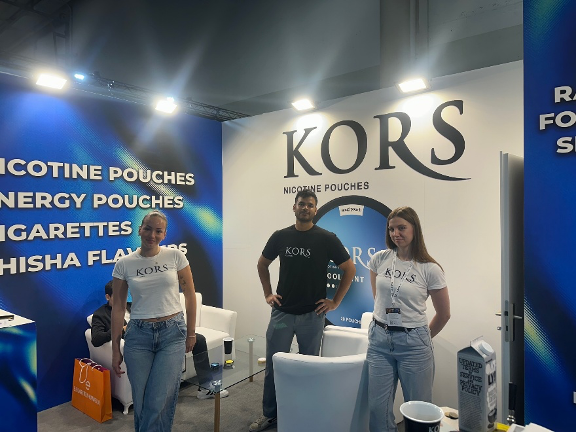
Nigam expects the market and distribution channels to become selective, favoring larger, well-financed companies. He welcomes stronger regulation, arguing it protects consumers, builds confidence and eliminates unsafe operators who might sell dangerously potent products.
Easy to Enter, Hard to Survive
Hugo Victorin of Lagom noted the industry’s low barriers to entry: contract manufacturers can handle production, packaging and flavoring, making it relatively inexpensive to launch a brand. As a result, many competitors have entered the market, offering varied flavors and strengths.
Victorin expects tighter rules ahead—such as plain packaging or limits on nicotine strength—especially as some products now reach dangerously high levels. Long-term success, he emphasized, depends on early entry into new markets, strong marketing, consistent quality, and building a loyal customer base without frequent formula changes.
For more on-the-ground coverage, visit the 2Firsts InterTabac Special Section.