Armenia and PMI collaborate on smoking research

Apr.19.2023
Armenia and PMI collaborate on smoking research
Armenia's Prime Minister meets with Philip Morris International to discuss cooperation in scientific research on tobacco harm reduction.

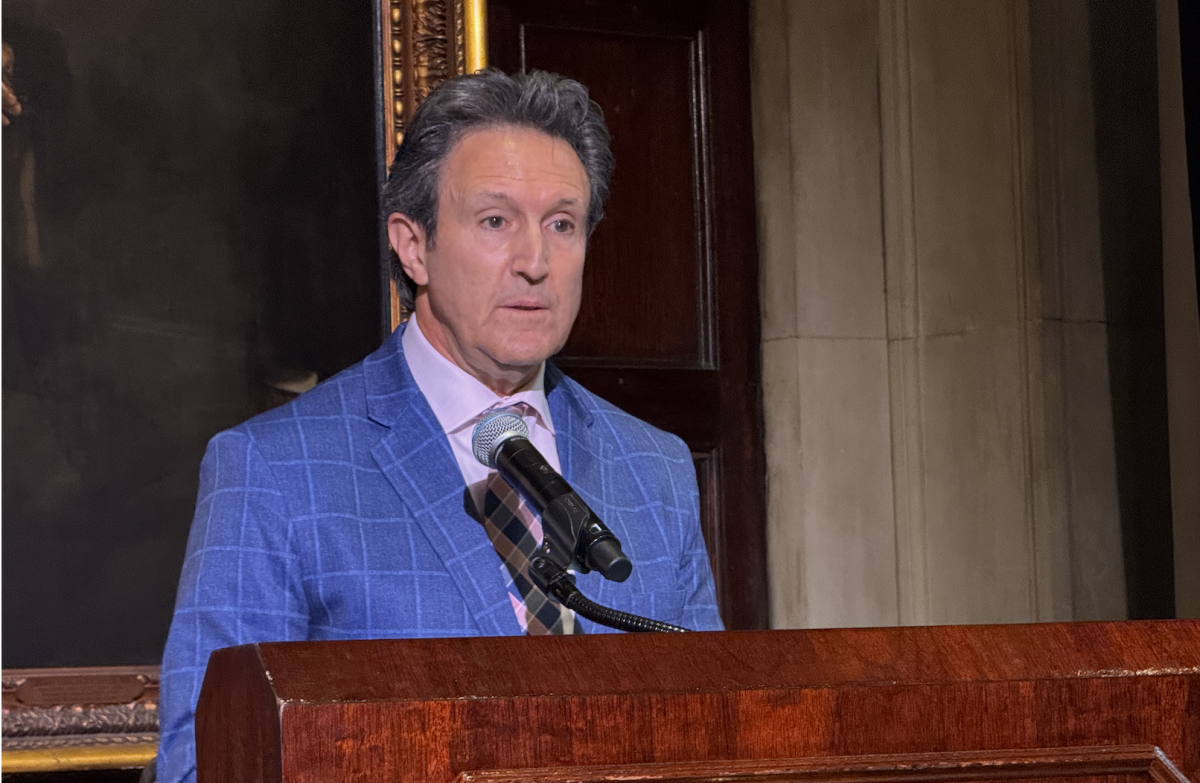
According to a report by Armenian Public Radio (ARMENIA), Prime Minister Nikol Pashinyan of Armenia held a meeting with Gregoire Verdeaux, Senior Vice President of PMI (Philippines Mobile International).


According to Nikol Pashinyan, the Armenian government has launched a large-scale anti-smoking campaign, and efforts in this regard are still ongoing.


At the same time, according to Nikol Pashinyan, PMI will be conducting scientific research in Armenia aimed at reducing the harmful effects of smoking. Currently, the Armenian government is in discussions with PMI regarding their collaboration in this research.


References:


The government of Armenia expresses its willingness to collaborate with Philip Morris International (PMI) on scientific investigation.


Disclaimer

This article is provided solely for professional research, industry discussion, and informational purposes. Any references to brands, companies, products, technologies, or policies are made for factual reporting and analytical purposes only, and do not constitute endorsement, recommendation, promotion, or advertising by 2Firsts.

Nicotine-containing products, including but not limited to cigarettes, e-cigarettes, heated tobacco products, and nicotine pouches, carry significant health risks. Readers are responsible for complying with all applicable laws and regulations in their respective jurisdictions, including age restrictions and access limitations.

The information contained in this article should not be regarded as investment, legal, medical, regulatory, or commercial advice. While 2Firsts strives to ensure the accuracy and reliability of its content, it does not assume liability for any direct or indirect loss arising from errors, omissions, inaccuracies, or reliance on the information contained herein.

This article is not intended for individuals below the legal age for accessing tobacco or nicotine-related information in their jurisdiction.


Copyright Notice

This article is either original content produced by 2Firsts or content reproduced, translated, summarized, or adapted from third-party sources with attribution where applicable. The intellectual property rights of the original content remain with 2Firsts or the respective original rights holders.

No individual or organization may copy, reproduce, distribute, republish, modify, translate, or otherwise use this content without prior authorization. Any unauthorized use may result in legal action.

For copyright-related inquiries, corrections, or removal requests, please contact: info@2firsts.com.


AI-Assisted Translation and Editing Notice

Portions of this article may have been translated, edited, or reviewed with the assistance of artificial intelligence tools to improve efficiency and readability. Due to the limitations of AI-assisted translation and editing, discrepancies, omissions, or inaccuracies may exist when compared with the original source.

Where applicable, readers are advised to refer to the original source for the most complete and accurate information. If you identify any errors or believe that any content infringes upon your rights, please contact us at info@2firsts.com, and we will review and address the matter promptly.

Putin Signs Russia’s Tobacco and Nicotine Product Licensing Law, Banning Unlicensed Sales From 2027
Russian President Vladimir Putin has signed a law introducing mandatory licensing for wholesale and retail trade in tobacco and nicotine-containing products, with the system taking effect on October 1, 2026, and unlicensed operations banned from March 1, 2027, while vape and e-liquid retail may also face uncertainty from temporary regional sales-ban powers.
Jul.01
South Korea’s Cigarette Smoking Rate Falls to 17.9%, E-Cigarette Use Continues to Rise
Data released by the Korea Disease Control and Prevention Agency (KDCA) showed South Korea’s conventional cigarette smoking rate fell to 17.9% in 2025, while heated tobacco and liquid e-cigarette use continued to rise, particularly among young adults and women.
Jun.01
 FDA Begins Review of 22nd Century’s VLN MRTP Renewal Applications
FDA Begins Review of 22nd Century’s VLN MRTP Renewal Applications
The U.S. Food and Drug Administration (FDA) has initiated scientific review of renewal applications for 22nd Century Group’s VLN reduced-nicotine cigarettes under the Modified Risk Tobacco Product (MRTP) pathway, with current authorizations set to expire in December 2026.
News
May.13
Dutch NVWA Seizes Record 277,000 Illegal Vapes; Video Shows “AL FAKHER” Cartons
The Dutch Food and Consumer Product Safety Authority, known as the NVWA, seized more than 277,000 illegal vapes near Rotterdam and nearly 150,000 boxes of nicotine pouches in Utrecht and Rotterdam, calling them the largest batches of such products it has found to date. Video footage released by the NVWA shows some cartons in the warehouse bearing the “AL FAKHER / الفاخر” name, though the agency did not identify brands.
Jul.10
 Arizona Rules Extend Across Alternative Nicotine Supply Chain, With Licensing From 2028
Arizona Rules Extend Across Alternative Nicotine Supply Chain, With Licensing From 2028
Arizona Governor Katie Hobbs has signed HB 4001, bringing alternative nicotine products under a new state regulatory framework that will require maker and distributor licensing from 2028 and ban packaging designs that could appeal to minors.
Regulations
Jun.23
ATF Cancels Webloc Contract, Raising Questions Over Commercial Location Data in Enforcement
The U.S. Bureau of Alcohol, Tobacco, Firearms and Explosives (ATF) has stopped using Webloc, a commercial phone-tracking tool, after lawmakers, a prosecutor and a judge raised legal and privacy concerns over warrantless use of ad-tech location data, a development that may affect data-use boundaries in U.S. enforcement against illicit tobacco, nicotine products and cross-border distribution networks.
Jun.29