Australia plans to tighten policies on electronic cigarettes and smoking, according to The Guardian's report.
Although Australia has been at the forefront of anti-tobacco policies for many years, such as pioneering plain packaging, Federal Health Minister Mark Butler has said that the previous government was "sleeping" as the popularity of electronic cigarettes soared.
Usage of electronic cigarettes in Australia doubled between 2016 and 2019. According to a recent population survey conducted by the state government, almost one-third of the population aged 16-24 in New South Wales had tried electronic cigarettes by last year, which is higher than the 15% reported three years ago.
To help address this issue, the Therapeutic Goods Administration (TGA) will initiate public consultation on modifications to import laws, pre-market assessments for e-cigarettes, labeling, advertising, identification of flavors, and products containing nicotine. According to officials, many nicotine-containing products are inaccurately labeled as nicotine-free.
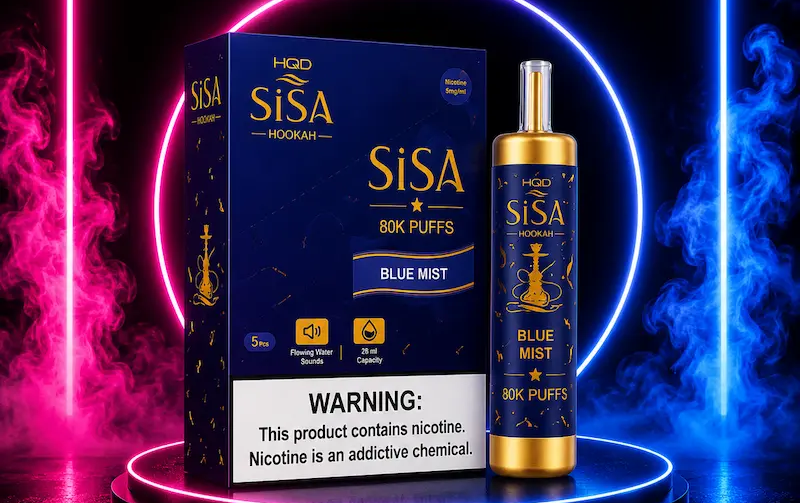
In Australia, it is illegal to sell, supply, or possess electronic cigarettes or any liquid containing nicotine without a doctor's prescription. However, suppliers have been circumventing this issue by removing "nicotine" from the ingredient list, even if their products do contain nicotine.
According to the New South Wales Department of Health, over the past 18 months they have seized more than 157,000 nicotine-containing electronic cigarettes in raids.
The government plans to further tighten policies on combustible cigarettes. In addition to other measures, cigarette manufacturers are required to print health warnings on every cigarette, such as "smoking kills," and produce less appealing colored cigarettes. Each cigarette pack should have an added health promotion page, and advertising regulations will be updated to include e-cigarette products. The government also hopes to ban flavored cigarettes, including menthol varieties.
The proposed measure aims to help Australia reduce its smoking rates to below 10% by 2025 and to 5% or lower by 2030.
Public consultations on reform will open on January 16th.
2FIRSTS will continue to track and report on this topic, with further updates available on the "2FIRSTSAPP". Scan the QR code below to download the app.
Disclaimer
This article is provided solely for professional research, industry discussion, and informational purposes. Any references to brands, companies, products, technologies, or policies are made for factual reporting and analytical purposes only, and do not constitute endorsement, recommendation, promotion, or advertising by 2Firsts.
Nicotine-containing products, including but not limited to cigarettes, e-cigarettes, heated tobacco products, and nicotine pouches, carry significant health risks. Readers are responsible for complying with all applicable laws and regulations in their respective jurisdictions, including age restrictions and access limitations.
The information contained in this article should not be regarded as investment, legal, medical, regulatory, or commercial advice. While 2Firsts strives to ensure the accuracy and reliability of its content, it does not assume liability for any direct or indirect loss arising from errors, omissions, inaccuracies, or reliance on the information contained herein.
This article is not intended for individuals below the legal age for accessing tobacco or nicotine-related information in their jurisdiction.
Copyright Notice
This article is either original content produced by 2Firsts or content reproduced, translated, summarized, or adapted from third-party sources with attribution where applicable. The intellectual property rights of the original content remain with 2Firsts or the respective original rights holders.
No individual or organization may copy, reproduce, distribute, republish, modify, translate, or otherwise use this content without prior authorization. Any unauthorized use may result in legal action.
For copyright-related inquiries, corrections, or removal requests, please contact: info@2firsts.com.
AI-Assisted Translation and Editing Notice
Portions of this article may have been translated, edited, or reviewed with the assistance of artificial intelligence tools to improve efficiency and readability. Due to the limitations of AI-assisted translation and editing, discrepancies, omissions, or inaccuracies may exist when compared with the original source.
Where applicable, readers are advised to refer to the original source for the most complete and accurate information. If you identify any errors or believe that any content infringes upon your rights, please contact us at info@2firsts.com, and we will review and address the matter promptly.