Key Points Overview
- Legislative status: Milli Majlis adopted the amendments in final reading
- Ban scope: import, export, production, storage, wholesale and retail sale, and use of e-cigarettes and components
- Definitions: nicotine-containing e-cigarettes included under “tobacco products”; e-cigarettes defined with components described
- Distinction: heated tobacco products are not considered e-cigarettes; definition provided
- Alignment and timing: Tax Code and Advertising law to be amended, excise listing and rates revised for disposables and e-liquid; effective April 1, 2026
2Firsts, December 30, 2025 – According to Report, Azerbaijan’s Milli Majlis adopted in final reading a bill banning the import, export, production, storage, wholesale and retail sale, and use of electronic cigarettes and their components. Report said the corresponding amendments were introduced into the law On Tobacco and Tobacco Products.
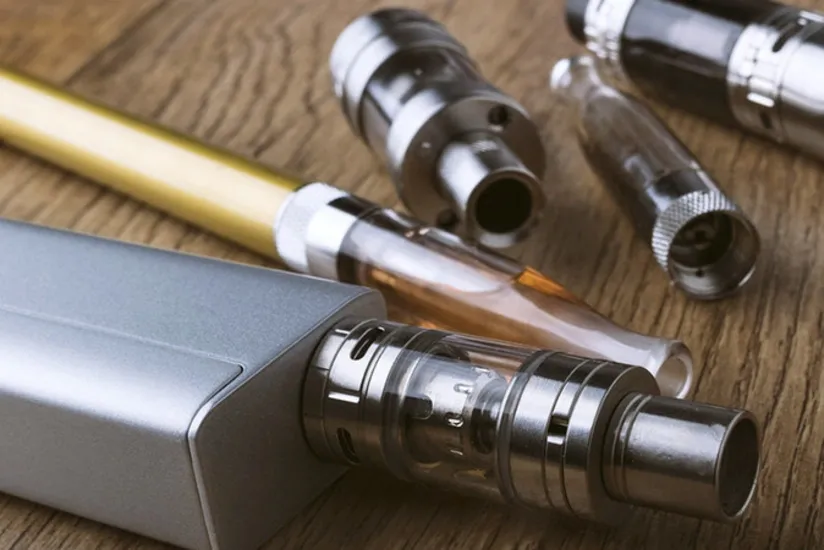
The document notes that nicotine-containing electronic cigarettes are included within the concept of tobacco products. It defines an electronic cigarette as a product intended to introduce into the human body, through the respiratory tract, vapor with or without nicotine, and intended for use with a device with a mouthpiece or other components, including a cartridge and a vial, or without them. E-cigarette vials may be used one or multiple times, or may be refilled using disposable cartridges.
The draft states that heated tobacco products will not be considered electronic cigarettes. Report also notes that a heated tobacco product is defined as a product consisting of tobacco (a tobacco mixture) and non-tobacco components used in its production, intended for the introduction into the human body through the respiratory tract of nicotine-containing aerosol formed during heating without combustion and without the formation of tobacco smoke.
The report says that clarifying existing concepts and defining new ones will allow for more accurate classification and differentiation of tobacco products in legal practice, including heated tobacco products as well as electronic cigarettes.
At the same time, within the framework of coordination, corresponding changes will be made to the Tax Code and the law On Advertising. This includes removing “single-use electronic cigarettes” and “e-cigarette e-liquid” from the list of excisable goods and, accordingly, canceling the tax rates, as well as adapting the advertising ban to the updated concepts.
According to reports, the amendment will go into effect on April 1, 2026.
According to a previous report by 2Firsts, the National Assembly of Azerbaijan passed a bill in a first reading on December 19 to completely ban the import, export, production, storage, wholesale, retail, and use of e-cigarettes and their components. It should be noted that the original first reading text intended for the law to take effect on February 1, 2026, but the final version of the bill has revised the effective date.
Photo credit: Report
We welcome news tips, article submissions, interview requests, or comments on this piece.
Please contact us at info@2firsts.com, or reach out to Alan Zhao, CEO of 2Firsts, on LinkedIn
Notice
1. This article is intended solely for professional research purposes related to industry, technology, and policy. Any references to brands or products are made purely for objective description and do not constitute any form of endorsement, recommendation, or promotion by 2Firsts.
2. The use of nicotine-containing products — including, but not limited to, cigarettes, e-cigarettes, nicotine pouchand heated tobacco products — carries significant health risks. Users are responsible for complying with all applicable laws and regulations in their respective jurisdictions.
3. This article is not intended to serve as the basis for any investment decisions or financial advice. 2Firsts assumes no direct or indirect liability for any inaccuracies or errors in the content.
4. Access to this article is strictly prohibited for individuals below the legal age in their jurisdiction.
Copyright
This article is either an original work created by 2Firsts or a reproduction from third-party sources with proper attribution. All copyrights and usage rights belong to 2Firsts or the original content provider. Unauthorized reproduction, distribution, or any other form of unauthorized use by any individual or organization is strictly prohibited. Violators will be held legally accountable.
For copyright-related inquiries, please contact: info@2firsts.com
AI Assistance Disclaimer
This article may have been enhanced using AI tools to improve translation and editorial efficiency. However, due to technical limitations, inaccuracies may occur. Readers are encouraged to refer to the cited sources for the most accurate information.
We welcome any corrections or feedback. Please contact us at: info@2firsts.com