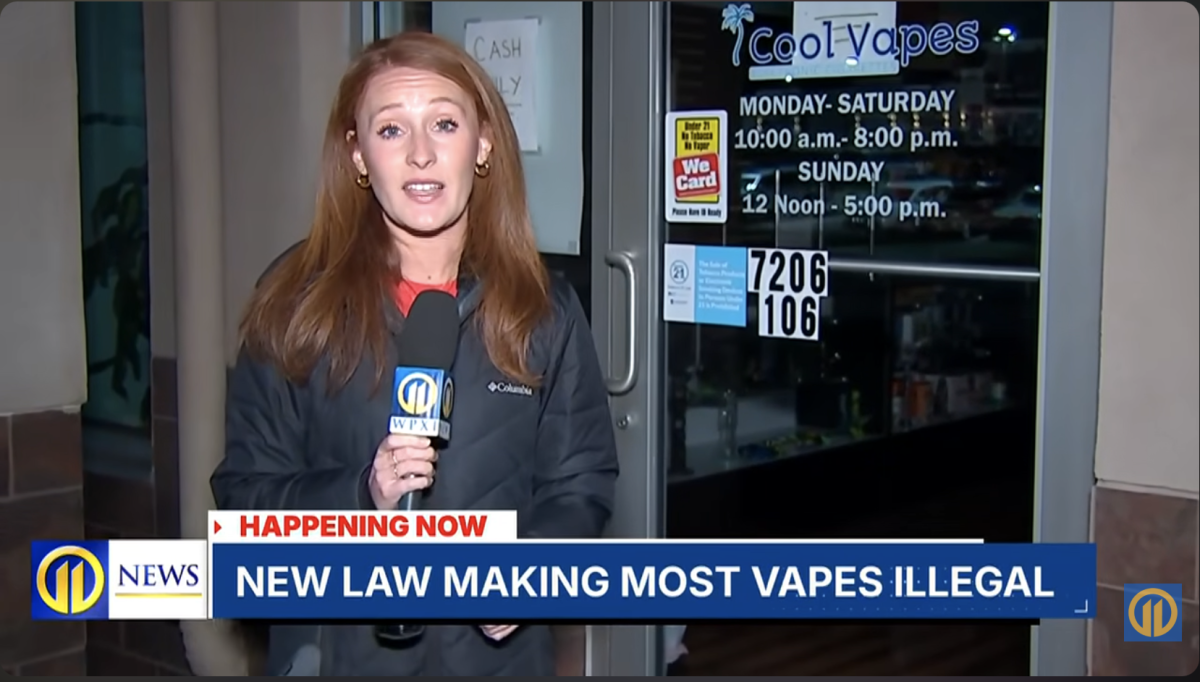
Recently, according to a report by Vermont Business Magazine, the "Ban Flavored Tobacco Targeting Kids" campaign and the "Vermont Tobacco-Free Alliance" announced that 50 Vermont organizations have co-signed a letter to the Vermont House Committee on Health and Human Services, urging lawmakers to cease the sale of flavored tobacco.
The letter advocates for the passage of the S.18 Bill, which has already been reviewed by the Senate and is set to be deliberated by the House committee later this week.
The list of organizations supporting the bill includes the Vermont Medical Society, the University of Vermont Children's Hospital, the NAACP Windham County, Outright Vermont, Prevention Works VT, VT Recovery, the American Heart Association, the American Lung Association, the Smoke-Free Kids Campaign, and the American Cancer Society Cancer Action Network.
Wichie Artu, a member of the National Association for the Advancement of Colored People in Wyndham County, stated, "Tobacco companies have mercilessly targeted the Black community with mint-flavored advertisements, using aggressive marketing strategies to attract new users and profit from their addiction. It is imperative that we remove these deadly products from the market. Vermont legislators need to prioritize the health of Vermont residents over the profits of big tobacco companies.
Jay Nichols, director of the Vermont Principals' Association, highlighted that school leaders across the state are witnessing a growing number of students becoming addicted to nicotine due to e-cigarettes. "The allure of e-cigarettes typically begins with flavored e-cigarette products enticing our children, leading them to become 'hooked' from their adolescence. We are aware that nearly all of these children are using flavored products.
According to a public opinion survey released in December last year, 68% of residents in Vermont support legislation to ban the sale of flavored tobacco products. Vermont Governor Scott stated in a press conference on January 10th that if this bill were to be presented to him, he would likely sign it into law.
The "Ban on Tobacco Flavors Endangering Children" initiative in Vermont has brought together the Vermont Smoke-Free Alliance and dozens of local, state, and national organizations committed to protecting children from all tobacco products and addiction.
We welcome news tips, article submissions, interview requests, or comments on this piece.
Please contact us at info@2firsts.com, or reach out to Alan Zhao, CEO of 2Firsts, on LinkedIn
Notice
1. This article is intended solely for professional research purposes related to industry, technology, and policy. Any references to brands or products are made purely for objective description and do not constitute any form of endorsement, recommendation, or promotion by 2Firsts.
2. The use of nicotine-containing products — including, but not limited to, cigarettes, e-cigarettes, nicotine pouchand heated tobacco products — carries significant health risks. Users are responsible for complying with all applicable laws and regulations in their respective jurisdictions.
3. This article is not intended to serve as the basis for any investment decisions or financial advice. 2Firsts assumes no direct or indirect liability for any inaccuracies or errors in the content.
4. Access to this article is strictly prohibited for individuals below the legal age in their jurisdiction.
Copyright
This article is either an original work created by 2Firsts or a reproduction from third-party sources with proper attribution. All copyrights and usage rights belong to 2Firsts or the original content provider. Unauthorized reproduction, distribution, or any other form of unauthorized use by any individual or organization is strictly prohibited. Violators will be held legally accountable.
For copyright-related inquiries, please contact: info@2firsts.com
AI Assistance Disclaimer
This article may have been enhanced using AI tools to improve translation and editorial efficiency. However, due to technical limitations, inaccuracies may occur. Readers are encouraged to refer to the cited sources for the most accurate information.
We welcome any corrections or feedback. Please contact us at: info@2firsts.com