BAT Kenya Faces Delay in New Nicotine Pouch Product Launch

BAT by 2FIRSTS.ai
May.07.2024
BAT Kenya Faces Delay in New Nicotine Pouch Product Launch
BAT Kenya's new nicotine pouch production delayed due to lack of regulatory approval, impacting $23.7 million factory operations.

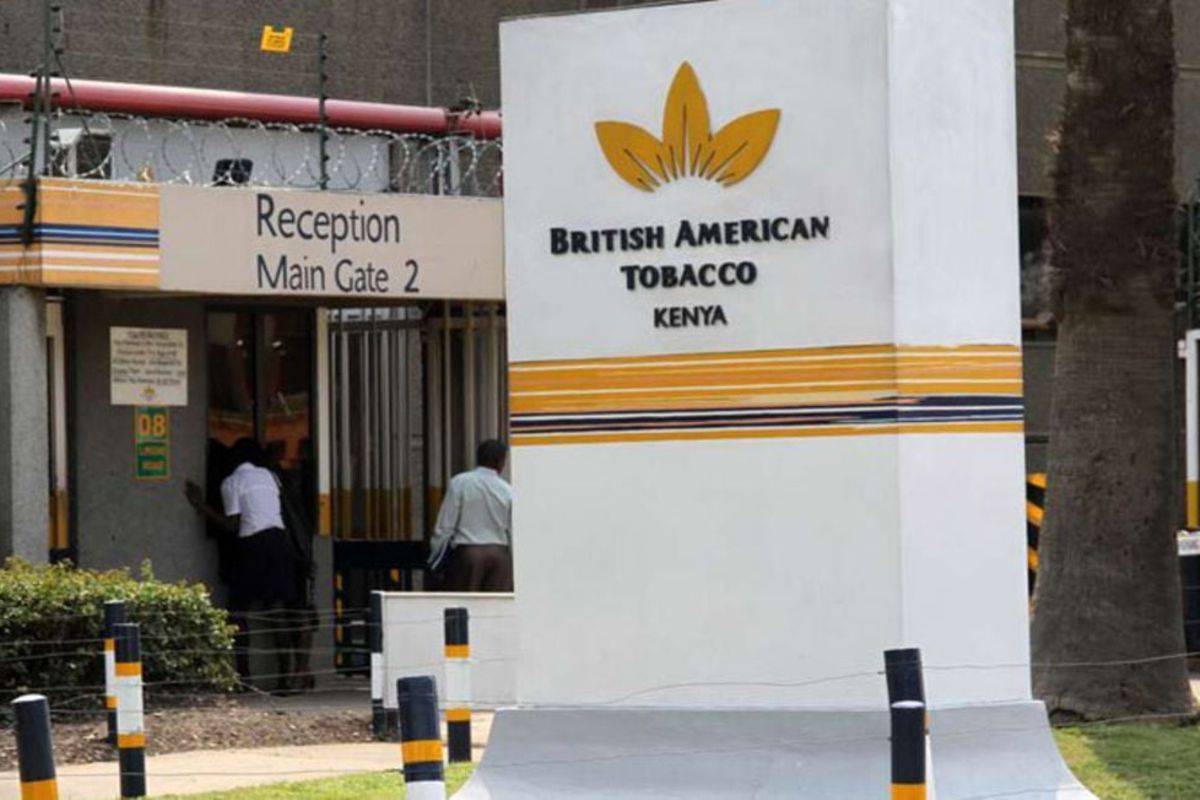
According to the African media outlet BusinessDaily Africa, on May 7, the Kenyan branch of the British American Tobacco Company (BAT) is unable to meet the growing demand for its new nicotine pouch product due to a lack of approval from regulatory authorities. This has resulted in a delay in the operation of their 2.5 billion Kenyan Shilling (approximately 23.7 million US dollars) factory, which was intended to produce new products for the African market.


BAT Kenya noted in its annual report that despite strong performance in the local market, the supply chain was disrupted at the end of last year due to the factory still not being operational.


BAT Kenya stated in a report that, "We plan to expedite the reduction of tobacco hazards in 2023 and reintroduce our nicotine pouch products in the Kenyan market by 2022. However, by the end of the year, our supply of nicotine pouches in the Kenyan market was disrupted due to regulatory uncertainty. This also affected the commercialization of our modern oral nicotine products manufacturing facility."


In 2019, the cigarette manufacturer BAT launched its nicotine pouch brand Lifyt in the Kenyan market for the first time. However, it was banned because it was classified as a pharmaceutical product rather than a tobacco product. The ban was lifted in 2022 after the nicotine pouches were agreed to be classified as tobacco products by the Tobacco Control Committee. BAT reintroduced the product to the market in 2023 under a new brand, Velo. Despite various pressures, the new nicotine pouch manufacturing facility is yet to be implemented.


We welcome news tips, article submissions, interview requests, or comments on this piece.

Please contact us at info@2firsts.com, or reach out to Alan Zhao, CEO of 2Firsts, on LinkedIn


Notice

1.  This article is intended solely for professional research purposes related to industry, technology, and policy. Any references to brands or products are made purely for objective description and do not constitute any form of endorsement, recommendation, or promotion by 2Firsts.

2.  The use of nicotine-containing products — including, but not limited to, cigarettes, e-cigarettes, nicotine pouchand heated tobacco products — carries significant health risks. Users are responsible for complying with all applicable laws and regulations in their respective jurisdictions.

3.  This article is not intended to serve as the basis for any investment decisions or financial advice. 2Firsts assumes no direct or indirect liability for any inaccuracies or errors in the content.

4.  Access to this article is strictly prohibited for individuals below the legal age in their jurisdiction.


Copyright


This article is either an original work created by 2Firsts or a reproduction from third-party sources with proper attribution. All copyrights and usage rights belong to 2Firsts or the original content provider. Unauthorized reproduction, distribution, or any other form of unauthorized use by any individual or organization is strictly prohibited. Violators will be held legally accountable.

For copyright-related inquiries, please contact: info@2firsts.com


AI Assistance Disclaimer


This article may have been enhanced using AI tools to improve translation and editorial efficiency. However, due to technical limitations, inaccuracies may occur. Readers are encouraged to refer to the cited sources for the most accurate information.

We welcome any corrections or feedback. Please contact us at: info@2firsts.com

NYS Youth Tobacco Use Down 29% Since 2022, Lowest Since 2000
According to the New York State Department of Health’s latest StatShot (Vol.17, #2025-1), high school tobacco product use in 2024 fell to 17.0%, the lowest rate since 2000, marking a 29% decline from 2022. E-cigarette use decreased from 18.7% to 13.1%, while cigarette use remained low at 2.4%.However, nicotine pouch use increased from 1.5% to 3.0%.
Oct.24 by 2FIRSTS.ai
COP11 Concludes with Major Decisions on Global Tobacco Control
The Eleventh Session of the Conference of the Parties (COP11) to the WHO Framework Convention on Tobacco Control (FCTC) concluded in Geneva on November 22, with 160 Parties adopting major decisions on tobacco and nicotine regulation, environmental protection, sustainable financing, and tobacco industry liability. A landmark decision mandates a complete ban on the use and sale of tobacco and all novel nicotine products across all UN premises worldwide.
Nov.24 by 2FIRSTS.ai
Belarus to Tighten Vape Regulations, Raise Excise Taxes in 2026
Belarusian lawmakers are drafting a new bill to regulate the vape market amid growing concern over youth nicotine use and the spread of illegal products. While a total ban is not planned, the focus will be on stricter licensing, advertising limits, and higher taxes.
Nov.19 by 2FIRSTS.ai
From Partnership to Acquisition: Why KT&G Is Betting on the Global Nicotine Pouch Market
As global competition in the nicotine pouch market accelerates, Korea’s tobacco major KT&G has moved with a “Partnership + Acquisition” strategy, teaming up with Altria to acquire Nordic pouch maker Another Snus Factory (brand “LOOP”). Why deploy capital now, and why take this route? Drawing on company disclosures, regulatory monitoring and on-site observations from InterTabac Dortmund, 2Firsts analyzes KT&G’s strategic calculus and the signals behind this move.
Nov.05
5th Circuit Reviews FDA’s Compliance on Small-Business Impact of Vape Rule
A Fifth Circuit panel expressed doubts about whether the U.S. Food and Drug Administration complied with the Regulatory Flexibility Act when issuing its 2021 final rule on premarket tobacco product applications. Vape companies argued the FDA relied on outdated and inaccurate economic data, while the government said the challenged requirements stem from the Tobacco Control Act.
Dec.03 by 2FIRSTS.ai
Ispire and IKE Tech Welcome FDA Enforcement Boost, Highlight Need for Tech-Based Controls
Ispire Technology and IKE Tech issued statements after the U.S. FDA received Congressional funding and directives to strengthen enforcement against illicit vaping products. The companies emphasized updated guidance, multi-agency coordination and the role of blockchain and age-verification technologies in preventing illegal imports and protecting youth.
Nov.20