Discount Promotion for BAT Japan's New GLO Hyper Pro Device

BAT by 2FIRSTS.ai
Apr.01.2024
Discount Promotion for BAT Japan's New GLO Hyper Pro Device
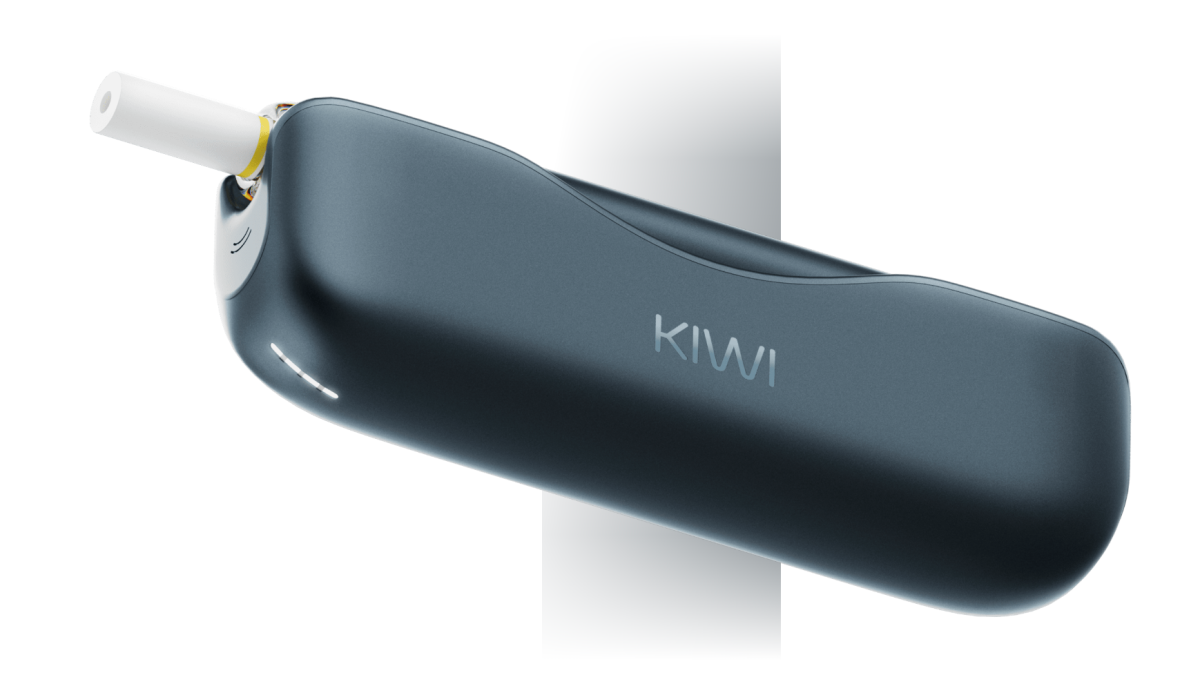
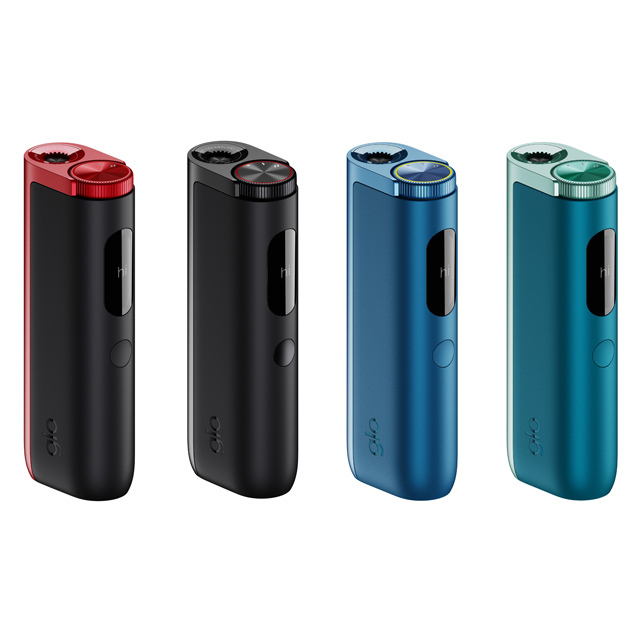
BAT Japan launches discount promotion for "GLO Hyper Pro" heated tobacco device, selling at 2,980 yen until March 31.

According to a report from Kakaku on March 31st, BAT Japan is holding a discount promotion for its new heated tobacco device "Glo Hyper Pro" until March 31st. During the promotion, "Glo Hyper Pro" will be sold at a special price of 2,980 yen, which is a discount of 1,000 yen from the manufacturer's suggested retail price of 3,980 yen.


We welcome news tips, article submissions, interview requests, or comments on this piece.

Please contact us at info@2firsts.com, or reach out to Alan Zhao, CEO of 2Firsts, on LinkedIn


Notice

1.  This article is intended solely for professional research purposes related to industry, technology, and policy. Any references to brands or products are made purely for objective description and do not constitute any form of endorsement, recommendation, or promotion by 2Firsts.

2.  The use of nicotine-containing products — including, but not limited to, cigarettes, e-cigarettes, nicotine pouchand heated tobacco products — carries significant health risks. Users are responsible for complying with all applicable laws and regulations in their respective jurisdictions.

3.  This article is not intended to serve as the basis for any investment decisions or financial advice. 2Firsts assumes no direct or indirect liability for any inaccuracies or errors in the content.

4.  Access to this article is strictly prohibited for individuals below the legal age in their jurisdiction.


Copyright


This article is either an original work created by 2Firsts or a reproduction from third-party sources with proper attribution. All copyrights and usage rights belong to 2Firsts or the original content provider. Unauthorized reproduction, distribution, or any other form of unauthorized use by any individual or organization is strictly prohibited. Violators will be held legally accountable.

For copyright-related inquiries, please contact: info@2firsts.com


AI Assistance Disclaimer


This article may have been enhanced using AI tools to improve translation and editorial efficiency. However, due to technical limitations, inaccuracies may occur. Readers are encouraged to refer to the cited sources for the most accurate information.

We welcome any corrections or feedback. Please contact us at: info@2firsts.com

Italy and Greece Oppose Ireland’s Nicotine Product Bill, Raising EU Regulatory Concerns
Italy and Greece have opposed Ireland’s proposed nicotine product regulations, arguing that the measures could affect EU market coordination and the free movement of products. Ireland plans to introduce stricter rules covering nicotine products including vapes and nicotine pouches, with measures involving packaging, marketing and sales controls. The dispute highlights differences among EU member states between stronger public health protections and maintaining regulatory consistency within the bloc’s single market.
Jul.29
Malaysia Withdraws Appeal Against Liquid Nicotine Ruling as Vape Regulation Framework Enters New Phase
Malaysia’s government has withdrawn its appeal against a High Court ruling concerning the regulatory status of liquid nicotine used in vape and e-cigarette products, according to reports by New Straits Times, Free Malaysia Today and CodeBlue on August 18, 2026. The Kuala Lumpur High Court ruled on May 15 that the government’s decision to remove liquid nicotine from the scheduled poisons list under the Poisons Act 1952 was irrational and made without proper consultation with the Poisons Board. The withdrawal ends the government’s appeal process, while the future regulatory framework for nicotine vape products remains under discussion.
Aug.21
BAT Calls for Retailer Input in Future Nicotine Regulations
British American Tobacco (BAT) has called for stronger retailer involvement in shaping future nicotine product regulations in the UK, arguing that frontline market feedback should be considered during policy development. BAT said retailers provide direct insight into consumer behavior, market changes and regulatory implementation challenges. The comments come as the UK nicotine market undergoes regulatory changes, including the disposable vape ban, Vaping Products Duty and efforts to address illicit vape sales.
Jul.29
Japan Health Ministry Cites Limited Evidence in Decision Not to Tighten Heated Tobacco Rules
Japan’s health ministry has proposed not tightening regulations on heated tobacco products to the same level as cigarettes as part of a review of passive smoking measures, with an expert panel broadly agreeing with the proposal, Jiji Press reported.
Jul.10
Product | KT&G Brings LOOP Nicotine Pouches to South Africa, Supporting ASF’s Expansion Across Africa
KT&G has introduced nicotine pouch brand LOOP in South Africa, expanding its modern oral nicotine portfolio. Developed by Swedish company Another Snus Factory (ASF), LOOP is a tobacco-free nicotine pouch brand. KT&G and U.S. tobacco company Altria previously participated in ASF’s strategic development, and the South Africa launch represents a further step in LOOP’s international expansion.
Aug.06
Vape Industry Group Loses Alabama Court Fight as State Tightens Rules on Imported Products
The Alabama Supreme Court affirmed a lower court’s refusal to issue a preliminary injunction blocking the state’s 2025 electronic nicotine delivery systems law, allowing rules requiring covered products to be U.S.-made or FDA-authorized to remain in effect.
Jul.10