BAT Plans to Launch Synthetic Nicotine E-Cigarette "Nomad" in South Korea

Nov.11.2024
BAT Plans to Launch Synthetic Nicotine E-Cigarette "Nomad" in South Korea
BAT to launch synthetic nicotine e-cigarette "Nomad" in South Korea, bypassing tobacco regulations. Potential health concerns raised.

British American Tobacco (BAT) plans to launch the synthetic nicotine e-cigarette "Nomad" in South Korea by the end of this month, according to a report by N.News on November 11.


According to industry reports on the 11th, the South Korean subsidiary of BAT will launch an e-cigarette called "Nomad" that uses synthetic nicotine. It has a capacity of 10 milliliters and will be priced at 17,000 Korean won (12 US dollars).


According to reports, BAT has chosen to launch synthetic nicotine e-cigarettes in South Korea because the country has not yet classified them as "tobacco." Under current tobacco laws, only products containing tobacco leaves as ingredients are considered tobacco, so synthetic nicotine e-cigarettes do not fit this definition and are not subject to taxes or additional fees. 


This allows their prices to be lower than traditional tobacco or HNB e-cigarettes. Synthetic nicotine e-cigarettes can be sold online, which means consumers may actually pay less than the official retail price. Additionally, there are no penalties for selling these products to minors, and they do not need to carry warning labels and images like regular tobacco products.


Calls within the South Korean parliament have been made to quickly implement relevant regulatory measures. From July to October of this year, nine legislative amendments related to synthetic nicotine tobacco have been proposed.


Kim Yoon, a Democratic Party lawmaker, stated that research from the Ministry of Health and Welfare shows that synthetic nicotine e-cigarettes have the same harmful effects as traditional tobacco cigarettes, including carcinogens and reproductive toxicity. He pointed out that current laws do not regulate synthetic nicotine products as they are not covered under existing tobacco regulations.


National Power Party member Han Ji-ah also pointed out, "While they are considered tobacco in reality, they are not classified as tobacco under the law."


We welcome news tips, article submissions, interview requests, or comments on this piece.

Please contact us at info@2firsts.com, or reach out to Alan Zhao, CEO of 2Firsts, on LinkedIn


Notice

1.  This article is intended solely for professional research purposes related to industry, technology, and policy. Any references to brands or products are made purely for objective description and do not constitute any form of endorsement, recommendation, or promotion by 2Firsts.

2.  The use of nicotine-containing products — including, but not limited to, cigarettes, e-cigarettes, nicotine pouchand heated tobacco products — carries significant health risks. Users are responsible for complying with all applicable laws and regulations in their respective jurisdictions.

3.  This article is not intended to serve as the basis for any investment decisions or financial advice. 2Firsts assumes no direct or indirect liability for any inaccuracies or errors in the content.

4.  Access to this article is strictly prohibited for individuals below the legal age in their jurisdiction.


Copyright


This article is either an original work created by 2Firsts or a reproduction from third-party sources with proper attribution. All copyrights and usage rights belong to 2Firsts or the original content provider. Unauthorized reproduction, distribution, or any other form of unauthorized use by any individual or organization is strictly prohibited. Violators will be held legally accountable.

For copyright-related inquiries, please contact: info@2firsts.com


AI Assistance Disclaimer


This article may have been enhanced using AI tools to improve translation and editorial efficiency. However, due to technical limitations, inaccuracies may occur. Readers are encouraged to refer to the cited sources for the most accurate information.

We welcome any corrections or feedback. Please contact us at: info@2firsts.com

Altria Smokeable Profit Rises 2.4% as Marlboro Share Falls and U.S. Discounts Gain
Altria’s second-quarter results show a U.S. nicotine market splitting across price, product and regulation. Smokeable profit rose 2.4% as Marlboro pricing offset lower volumes, while discount brand Basic gained share among value-conscious smokers. In oral nicotine, on! PLUS expanded distribution but faced intensifying competition from ZYN and Velo. NJOY remained off the market as patent and regulatory hurdles delayed its return. The broader lesson: U.S. growth increasingly depends on price-tier strategy, retail execution, authorisation and enforcement readiness across the industry.
Special Report
Jul.31
Imperial Brands Plans Thousands of Job Cuts Across U.S. and Europe in Cost Restructuring
According to Reuters, citing Bloomberg News, British tobacco company Imperial Brands PLC plans to cut thousands of jobs across the United States and Europe as part of a cost reduction and organizational restructuring effort. The announcement drew market attention to the company’s shares. The move comes as global tobacco companies continue adjusting their operations amid slower cigarette market growth, changing consumer preferences and the transition toward next-generation nicotine products.
Aug.11
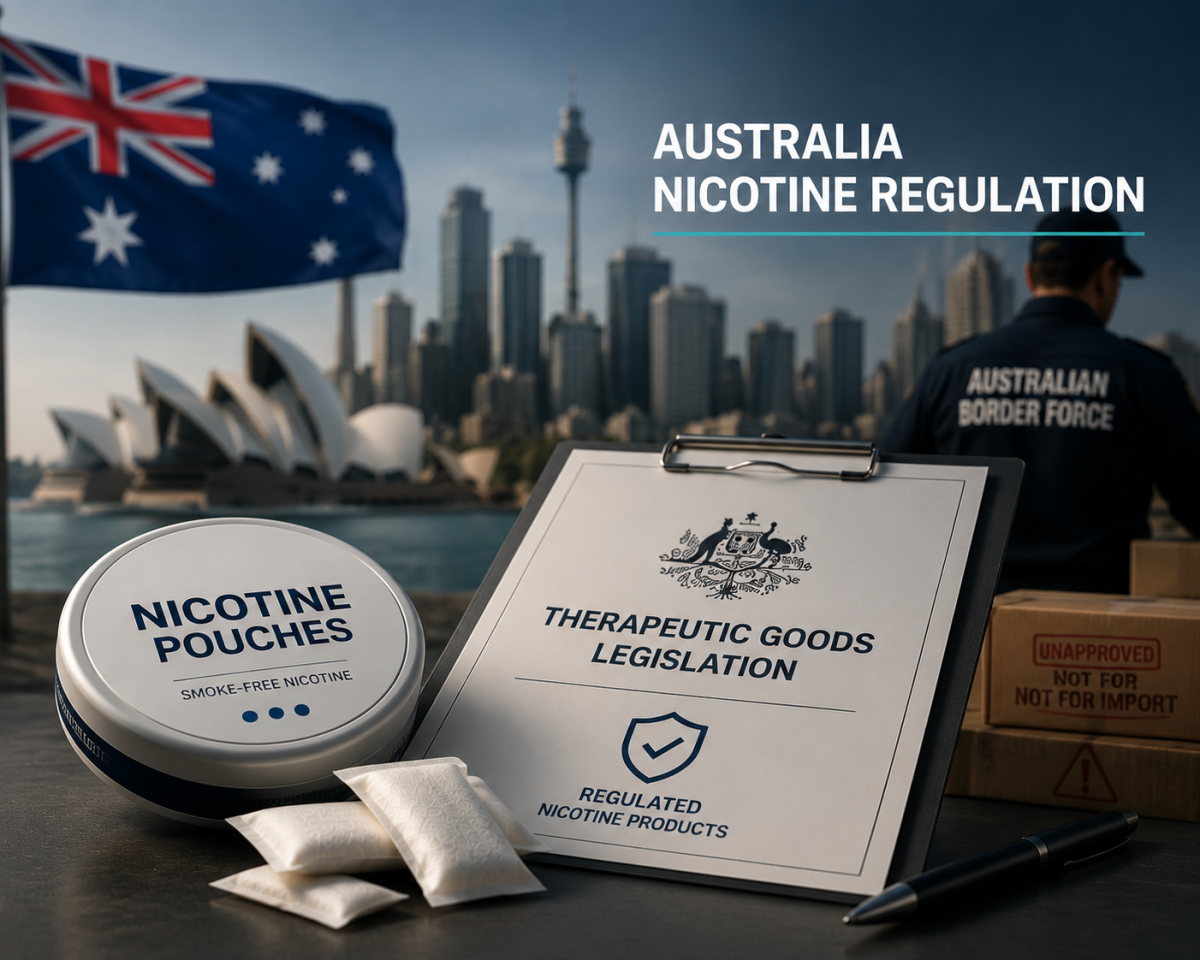
Australia’s TGA Places Nicotine Pouches Under Therapeutic Goods Rules From July 24, Blocking Imports of Unapproved Products
Australia is strengthening controls on nicotine pouches under its existing therapeutic goods regulatory framework. According to the Therapeutic Goods Administration (TGA), nicotine pouch products must meet regulatory requirements, and unapproved products cannot be legally imported. The move follows Australia’s broader approach of maintaining strict oversight of nicotine products, including nicotine-containing vapes. As nicotine pouches expand globally, Australia’s regulatory approach highlights growing differences in how countries manage emerging smoke-free nicotine products.
Regulations
Jul.27
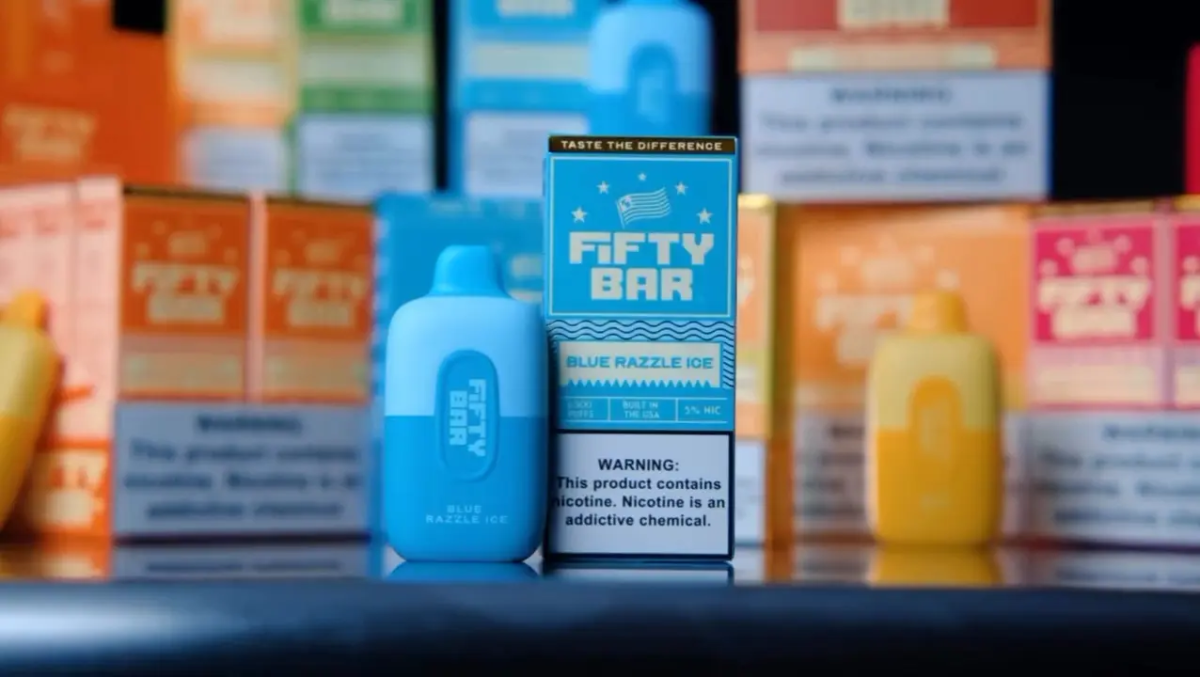
FTC Scrutinizes Fifty Bar’s “Made in America” Claims as Vape Marketing Faces New Compliance Risk
The Federal Trade Commission sent a warning letter to Lucky Bar Holdings LLC over “Made in the USA” claims tied to Fifty Bar vape products, saying staff had reason to believe the products may be imported in whole or in significant part despite unqualified U.S.-origin marketing claims.
Jul.20
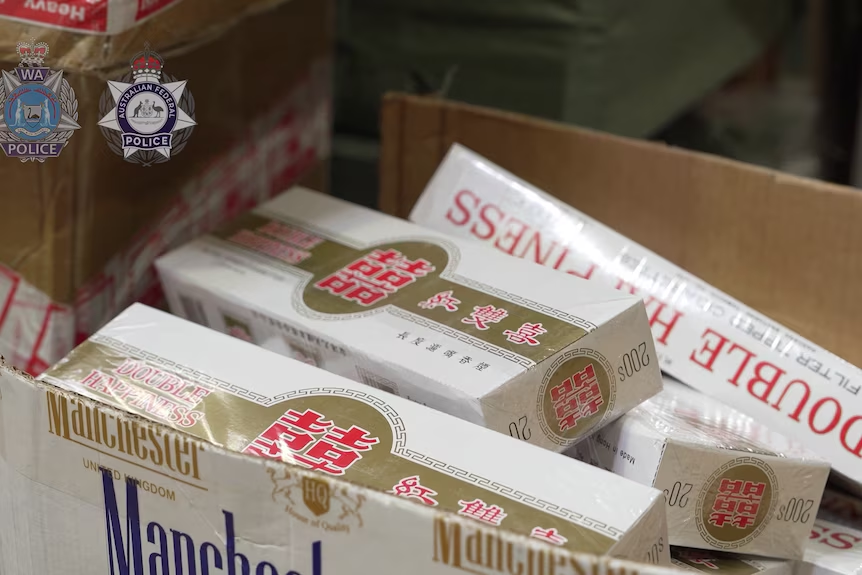
Australia’s One Nation Proposes 75% Tobacco Tax Cut, Says Lower Prices Could Hit Illicit Market
Australia’s One Nation party has proposed cutting tobacco excise by 75%, arguing that lower legal cigarette prices could narrow the gap with illicit tobacco and reduce demand for black-market products. The proposal comes as Australia continues expanding enforcement against illicit tobacco supply chains through border controls, retail inspections and organised-crime investigations. Supporters argue high taxes have contributed to illicit-market growth, while opponents warn that lower tobacco prices could undermine public-health goals. The proposal is a party policy position and has not been adopted by the Australian government.
Aug.18
Malaysia Withdraws Appeal Against Liquid Nicotine Ruling as Vape Regulation Framework Enters New Phase
Malaysia’s government has withdrawn its appeal against a High Court ruling concerning the regulatory status of liquid nicotine used in vape and e-cigarette products, according to reports by New Straits Times, Free Malaysia Today and CodeBlue on August 18, 2026. The Kuala Lumpur High Court ruled on May 15 that the government’s decision to remove liquid nicotine from the scheduled poisons list under the Poisons Act 1952 was irrational and made without proper consultation with the Poisons Board. The withdrawal ends the government’s appeal process, while the future regulatory framework for nicotine vape products remains under discussion.
Aug.21