Key Points
- Strong Market Reaction in London and New York
BAT shares rose 5.82% in London to £46.34, outperforming a flat FTSE 100, while its New York ADR gained about 5.3% to $63.64. The rally reflects a reassessment of regulatory risk rather than earnings momentum, with investors rotating into U.S.-exposed nicotine stocks amid clearer enforcement signals.
- FDA Enforcement Shift Favors Compliant Players
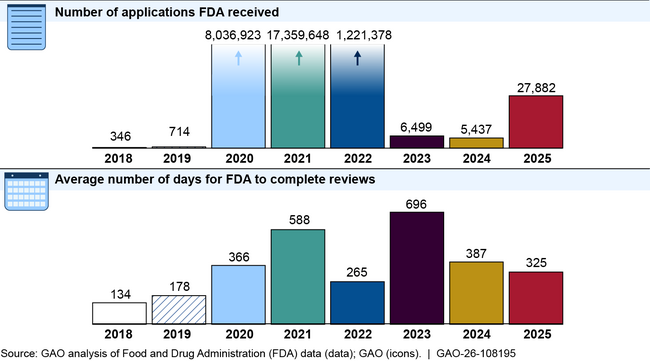
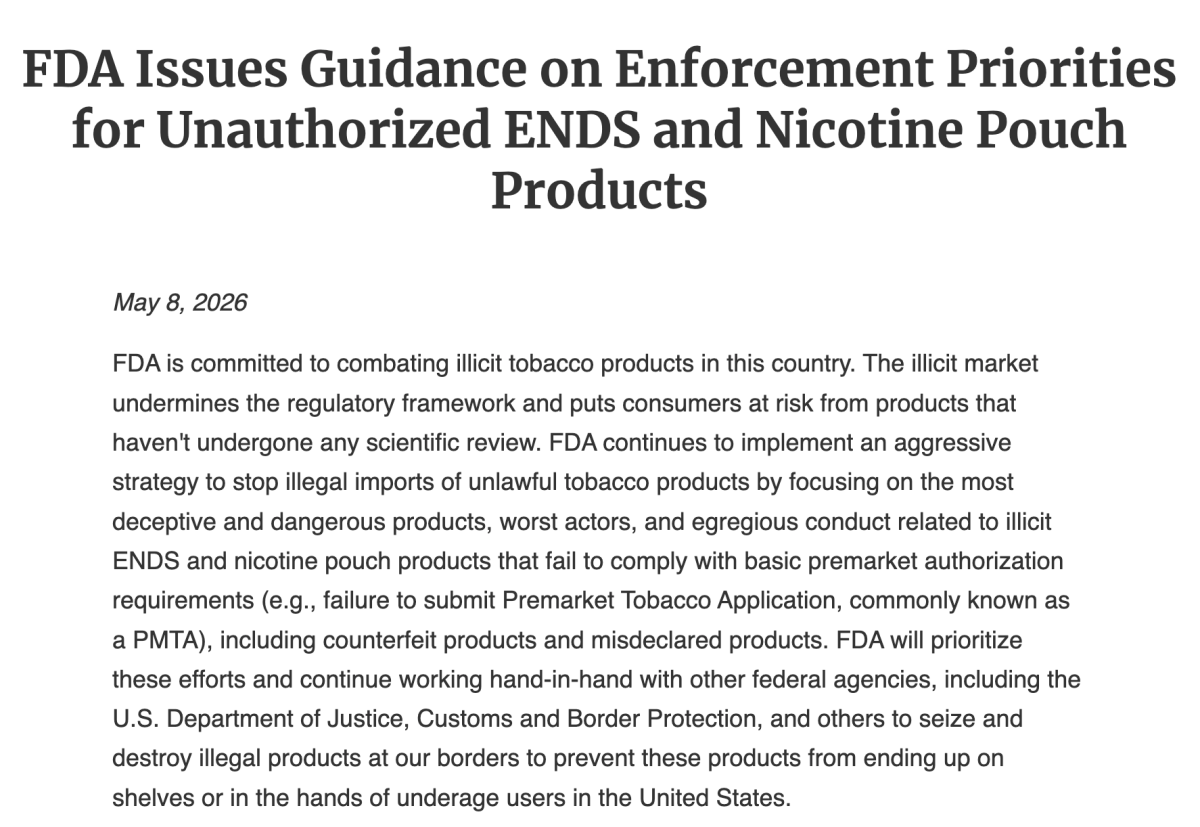
The FDA said it would not prioritize enforcement against certain unauthorized ENDS and oral nicotine pouch products if PMTAs are filed, accepted, and compliance conditions are met. While not an approval, the move provides temporary regulatory stability for large, compliant companies.
- Strategic Importance of Smoke-Free Portfolio
Smokeless products represented 18.2% of BAT’s 2025 revenue. Velo Plus delivered triple-digit growth, and Velo ranked No. 2 in the U.S. by volume and value. New Categories revenue rose 7.0% year-on-year, accelerating to double-digit growth in the second half.
- Legal Overhang Removed
A U.S. judge dismissed BAT’s North Korea sanctions case after completion of a deferred prosecution agreement and a roughly $630 million payment, removing a lingering legal risk that had weighed on the stock.
- Forward Outlook: Buybacks and Regulatory Watch
BAT plans a £1.3 billion buyback in 2026 and guides for 3%–5% constant-currency revenue growth, with leverage expected to fall to 2.0–2.5x by end-2026. However, FDA clarification does not guarantee product approval, and global cigarette volumes are forecast to decline around 2%.
2Firsts
May 13, 2026
According to TechStock², British American Tobacco shares rose sharply Tuesday after investors responded positively to regulatory and legal developments in the United States.
In London, BAT shares closed at £46.34, up 5.82%, despite the FTSE 100 edging slightly lower. The company’s U.S.-listed ADR also strengthened, finishing near $63.64. The rally was not earnings-driven but reflected shifting perceptions of regulatory risk surrounding BAT’s smoke-free portfolio.
The U.S. Food and Drug Administration signaled it would not make enforcement a top priority for certain unauthorized electronic nicotine delivery systems and oral nicotine pouch products, provided premarket tobacco applications are on file, accepted, and applicants meet compliance conditions. While this does not represent formal product authorization, investors interpret it as favoring larger companies with structured regulatory filings and compliance infrastructure.
BAT’s Vuse vape brand and Velo nicotine pouches stand to benefit if enforcement pressure shifts toward illicit and non-compliant products. Earlier this year, BAT leadership highlighted concerns about illicit proliferation in the vapor category and indicated that stronger enforcement could improve competitive positioning.
Smoke-free products accounted for 18.2% of BAT’s total revenue in 2025. Velo Plus achieved triple-digit growth, and overall New Categories revenue increased 7.0%, accelerating in the latter half of the year.
Separately, a U.S. District Court dismissed a criminal case accusing BAT of violating North Korea sanctions, following a deferred prosecution agreement and payment of roughly $630 million. The removal of this legal risk contributed to the stock’s upward move.
Looking ahead, BAT remains committed to a £1.3 billion share buyback program in 2026 and forecasts 3%–5% constant-currency revenue growth. However, risks remain, including continued declines in global cigarette volumes and uncertainty regarding eventual FDA product authorizations.
Market Context
The rally in BAT shares was not part of a broad-based tobacco sector surge but rather a targeted reallocation within the industry. While Philip Morris gained approximately 2.65% and Altria rose about 1.87%, both underperformed BAT’s nearly 6% advance. Imperial Brands also posted gains, though on a more modest scale.
This divergence suggests investors were not indiscriminately buying tobacco stocks. Instead, capital appeared to rotate toward companies with stronger exposure to the U.S. regulatory environment and clearer positioning in smoke-free categories.
Markets are increasingly differentiating between firms based on compliance infrastructure, PMTA readiness, and their ability to operate within evolving U.S. enforcement frameworks. In this context, established multinational players with structured regulatory filings are viewed as better positioned than smaller operators or those reliant on grey-market distribution. The move reflects a “compliance premium” being reassessed by investors.
Regulatory Implications
The FDA’s latest communication does not constitute product authorization. Rather, it signals a recalibration of enforcement priorities. Products that have filed and received acceptance of premarket tobacco applications (PMTAs), and that meet specified compliance conditions, may not be treated as top enforcement targets.
This distinction is critical. While these products technically remain unauthorized pending full review, the shift reduces near-term regulatory uncertainty for compliant applicants. It also implies a more strategic focus on illicit imports and non-filing manufacturers.
For major players such as BAT, this provides a more predictable operating environment. If enforcement intensifies against unregulated disposable products while compliant brands remain commercially available, competitive dynamics in the U.S. nicotine market could shift in favor of larger, better-capitalized companies. The policy does not guarantee future approvals—but it clarifies directionality.
Industry Outlook
BAT’s long-term transformation increasingly hinges on its smoke-free portfolio. In 2025, smokeless products accounted for 18.2% of total revenue, underscoring the structural pivot away from combustibles. Growth in Velo and momentum within New Categories indicate that the transition strategy is gaining traction.
However, the industry remains in a transitional phase. Global cigarette volumes are projected to decline by roughly 2%, reinforcing pressure on legacy revenue streams. At the same time, the regulatory architecture governing next-generation nicotine products remains fluid. PMTA outcomes, enforcement rigor, and market clean-up of illicit products will all influence growth trajectories.
From an investor standpoint, the recent rally appears to reflect a repricing of regulatory risk rather than a fundamental earnings inflection. Sustained upside will likely depend on tangible market share gains, margin improvement in smoke-free categories, and continued regulatory clarity in the United States.
(Cover Image Source: TS2.Tech)
Disclaimer
This article is provided solely for professional research, industry discussion, and informational purposes. Any references to brands, companies, products, technologies, or policies are made for factual reporting and analytical purposes only, and do not constitute endorsement, recommendation, promotion, or advertising by 2Firsts.
Nicotine-containing products, including but not limited to cigarettes, e-cigarettes, heated tobacco products, and nicotine pouches, carry significant health risks. Readers are responsible for complying with all applicable laws and regulations in their respective jurisdictions, including age restrictions and access limitations.
The information contained in this article should not be regarded as investment, legal, medical, regulatory, or commercial advice. While 2Firsts strives to ensure the accuracy and reliability of its content, it does not assume liability for any direct or indirect loss arising from errors, omissions, inaccuracies, or reliance on the information contained herein.
This article is not intended for individuals below the legal age for accessing tobacco or nicotine-related information in their jurisdiction.
Copyright Notice
This article is either original content produced by 2Firsts or content reproduced, translated, summarized, or adapted from third-party sources with attribution where applicable. The intellectual property rights of the original content remain with 2Firsts or the respective original rights holders.
No individual or organization may copy, reproduce, distribute, republish, modify, translate, or otherwise use this content without prior authorization. Any unauthorized use may result in legal action.
For copyright-related inquiries, corrections, or removal requests, please contact: info@2firsts.com.
AI-Assisted Translation and Editing Notice
Portions of this article may have been translated, edited, or reviewed with the assistance of artificial intelligence tools to improve efficiency and readability. Due to the limitations of AI-assisted translation and editing, discrepancies, omissions, or inaccuracies may exist when compared with the original source.
Where applicable, readers are advised to refer to the original source for the most complete and accurate information. If you identify any errors or believe that any content infringes upon your rights, please contact us at info@2firsts.com, and we will review and address the matter promptly.