Key Takeaways
- TPE 2026 felt cooler for many participants, with the vape section drawing weaker traffic and a more subdued mood than other parts of the show.
- Participants said standout new-product launches were limited, while conversations with distributors often failed to turn into orders.
- Inventory pressure, enforcement concerns and competition from nicotine pouches were repeatedly cited as reasons caution remained high in the U.S. vape market.
2Firsts
April 12 - TPE 2026 delivered a more subdued atmosphere than many participants had hoped for, with exhibitors and distributors describing cautious sentiment and weak buying signals across the vape section.
A cooler TPE
TPE 2026 felt markedly cooler for many participants, with both Chinese manufacturers and U.S. distributors describing a subdued mood across the show and little sense of renewed momentum in the vape segment.
For some Chinese manufacturers and brand owners, the event had carried a clear purpose beyond routine exhibition. After months of softer demand signals and growing inventory pressure in the U.S. market, they arrived hoping to see whether conditions had begun to shift — whether distributors were ready to talk more actively, whether new opportunities were emerging, or whether the market might be showing signs of life again. Instead, many said the feedback they received was cautious at best.
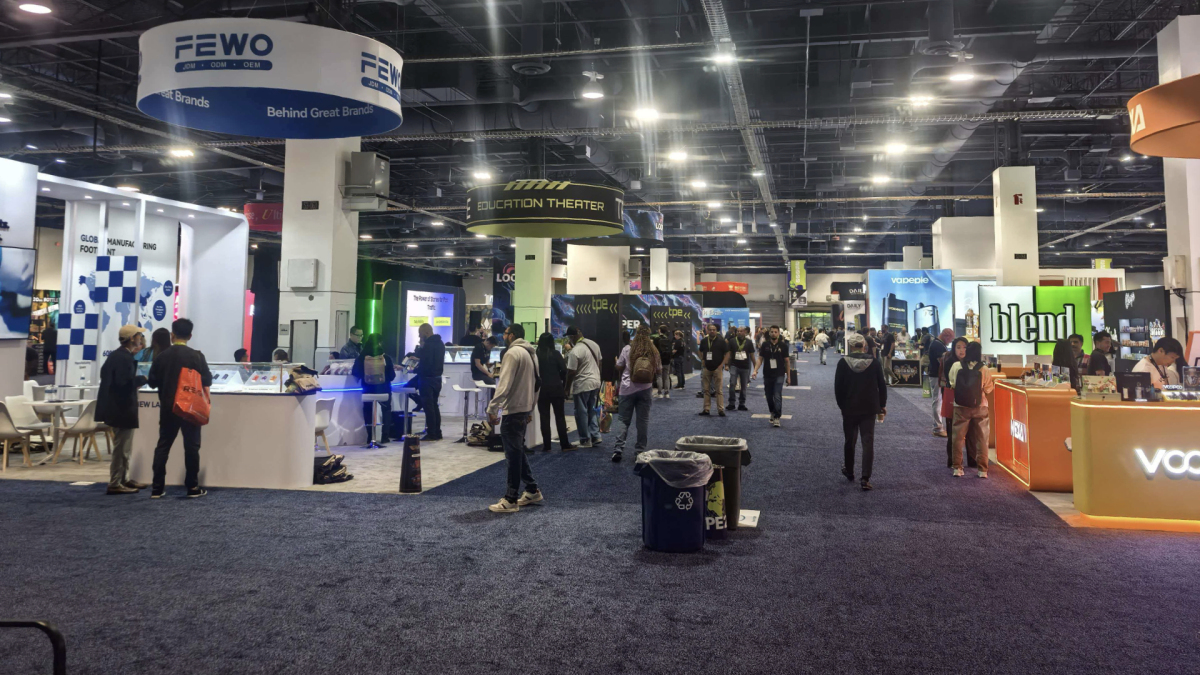
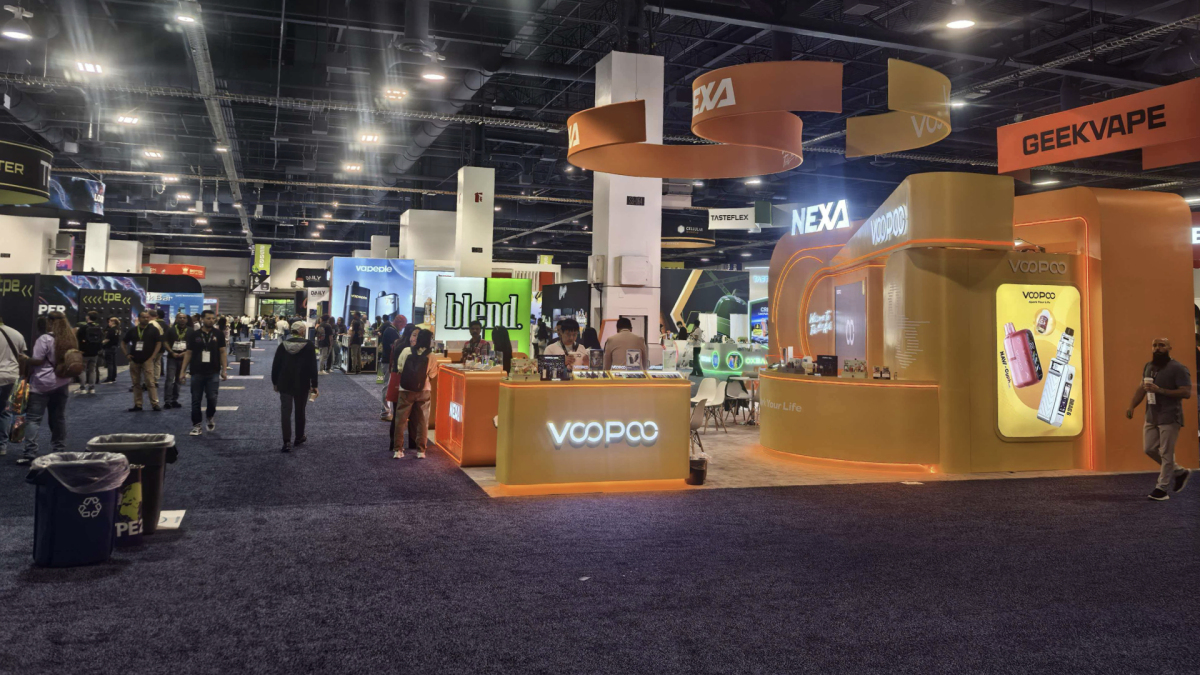
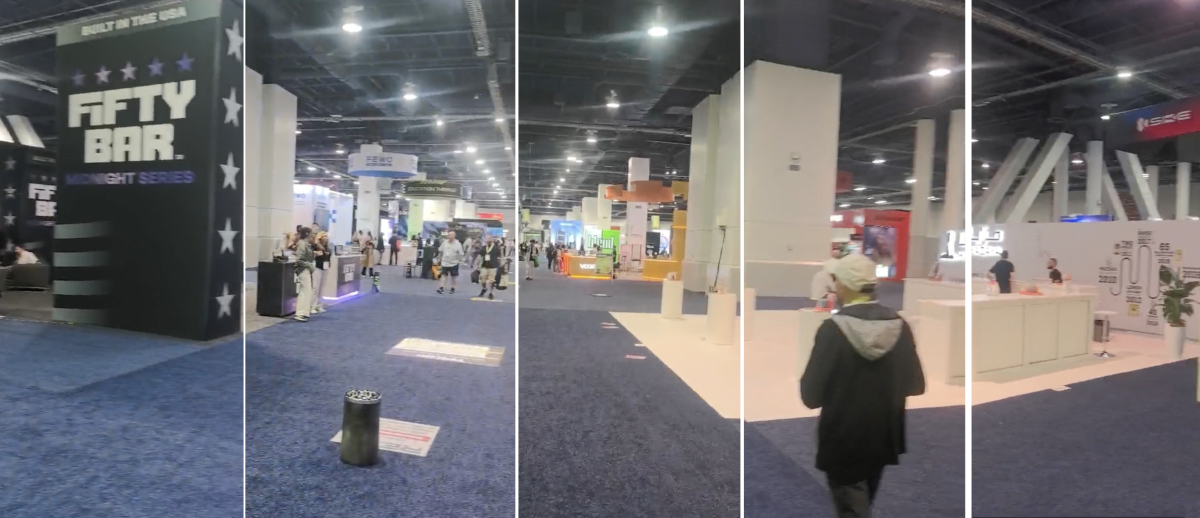
The contrast was also visible on the show floor. Mr. L, an exhibitor at the show, said the first floor, which featured cigars and related products, still drew relatively steady traffic, while the second floor, dominated by vape exhibitors, felt noticeably quieter. Many attendees, he said, left after walking the first floor without continuing upstairs. The layout reinforced a broader impression shared by several participants: the chill appeared to be concentrated more heavily in the vape section than across the event as a whole.
The atmosphere, according to multiple people interviewed by 2Firsts, was not one of collapse, but of restraint. Large booths appeared more muted than in previous years. Interactive promotions and high-energy activity were less visible. One industry participant described the event as feeling more like a reunion than a trade show — a place to reconnect, gauge sentiment and see who was still in the market, rather than a venue defined by active deal-making.
The show also lacked an obvious wave of breakout products. While some companies discussed products in development or invited contacts to sample items from their pipeline, participants broadly said TPE 2026 did not feature a clear or large-scale surge of new-format launches capable of shifting the overall tone of the event.
Taken together, the mood at TPE 2026 suggested that, at least for now, the U.S. vape market remains in a cautious phase — and that for many attendees, the show offered fewer signs of revival than a sharper confirmation of uncertainty.
Fewer launches, weaker orders
If the cooler mood was the most visible change at TPE 2026, another stood out as well: fewer new products, and fewer signs that conversations were turning into orders.
Participants said the show did not feature a clear or large-scale wave of standout launches. Some companies still discussed products in development or invited contacts to sample pipeline items, but overall, exhibitors said, there was no obvious new-product theme dominating the floor.
Even so, contact between manufacturers and distributors did not disappear. Distributors still stopped by booths, sampled products and exchanged updates. Several exhibitors said comments such as “nice” or “interesting” were common, but those exchanges often remained polite rather than commercial. When discussions moved toward concrete purchasing plans or restocking, they frequently stalled.
One phrase came up repeatedly in interviews: “Keep us updated.” Exhibitors said that, in practice, often meant distributors wanted to stay informed while avoiding new inventory risk. It was not necessarily a direct rejection, but neither was it a firm buying signal.
For many exhibitors, that made the bigger shift at this year’s TPE not just lighter traffic, but weaker ordering intent. The show still served as a place to maintain relationships, exchange information and gauge sentiment. What appeared harder was turning those interactions into deals.
Inventory, enforcement and pouch pressure
Participants pointed to several factors behind the more cautious mood at this year’s TPE, with inventory pressure mentioned most often. Regulatory concerns and growing competition from nicotine pouches were also frequently cited.
For many exhibitors, the most immediate problem was simple: distributors were not ordering. Mr. W, a brand owner, said one of his newer products had performed well after launching in August 2025, but distributors abruptly stopped placing orders in December. He said roughly 200,000 to 300,000 units of that product remain stuck in inventory across several downstream distributors, even though total sales of the product reached about 1 million units last year. More broadly, several participants said wholesalers and distributors were already carrying significant inventory, leaving little appetite for new stock. Some Chinese manufacturers said they had begun to feel softer demand from the U.S. market in 2025 and came to this year’s TPE partly to see whether buying interest had improved. Many said they left with a more cautious view.
Regulatory pressure was another recurring concern. Participants said some exhibitors appeared more restrained than in previous years, with smaller booths, fewer promotional activities and a generally lower profile on the floor. Mr. L, an exhibitor at the show, said some exhibitors were also privately discussing whether the CHAMPS show in May might prove more active, given that it operates as a closed, invitation-only event. Several people also said some market participants were more careful in their conversations, reflecting broader concern over enforcement and evidence-gathering risks.
Nicotine pouches were also raised repeatedly in discussions about weaker vape demand. Mr. W said some distributors believed pouches were pulling consumers away from vapes because they offered better value for money. A disposable vape currently retails for about $15 to $20 and typically lasts around a week, he said, while a can of nicotine pouches costs only a few dollars and can last for a similar period.
Taken together, those factors did not amount to a single explanation for TPE 2026’s cooler tone. But they did help explain why many participants came away with the sense that, at least in the vape segment, the U.S. market remained firmly in a cautious mood.
More confirmation than change
For many Chinese manufacturers and brand owners, TPE 2026 was not just another trade show, but a chance to test whether sentiment in the U.S. market had begun to shift. For many of them, the answer appeared to be no — or at least, not yet.
The event still offered a venue to reconnect with partners, exchange information and gauge market conditions. But in the vape segment, participants said it delivered few clear signs of renewed momentum. Traffic was uneven, ordering intent was weak, and caution remained a recurring theme in conversations on and off the show floor.
(Cover Image:TPE 2026 show floor, with vape booths including VOOPOO, NEXA and GEEKVAPE.|Source: Marc L)

Disclaimer
This article is provided solely for professional research, industry discussion, and informational purposes. Any references to brands, companies, products, technologies, or policies are made for factual reporting and analytical purposes only, and do not constitute endorsement, recommendation, promotion, or advertising by 2Firsts.
Nicotine-containing products, including but not limited to cigarettes, e-cigarettes, heated tobacco products, and nicotine pouches, carry significant health risks. Readers are responsible for complying with all applicable laws and regulations in their respective jurisdictions, including age restrictions and access limitations.
The information contained in this article should not be regarded as investment, legal, medical, regulatory, or commercial advice. While 2Firsts strives to ensure the accuracy and reliability of its content, it does not assume liability for any direct or indirect loss arising from errors, omissions, inaccuracies, or reliance on the information contained herein.
This article is not intended for individuals below the legal age for accessing tobacco or nicotine-related information in their jurisdiction.
Copyright Notice
This article is either original content produced by 2Firsts or content reproduced, translated, summarized, or adapted from third-party sources with attribution where applicable. The intellectual property rights of the original content remain with 2Firsts or the respective original rights holders.
No individual or organization may copy, reproduce, distribute, republish, modify, translate, or otherwise use this content without prior authorization. Any unauthorized use may result in legal action.
For copyright-related inquiries, corrections, or removal requests, please contact: info@2firsts.com.
AI-Assisted Translation and Editing Notice
Portions of this article may have been translated, edited, or reviewed with the assistance of artificial intelligence tools to improve efficiency and readability. Due to the limitations of AI-assisted translation and editing, discrepancies, omissions, or inaccuracies may exist when compared with the original source.
Where applicable, readers are advised to refer to the original source for the most complete and accurate information. If you identify any errors or believe that any content infringes upon your rights, please contact us at info@2firsts.com, and we will review and address the matter promptly.