BAT to Launch VELO Plus in US with 7 Flavors, Using Synthetic Nicotine

BAT by 2FIRSTS.ai
Dec.23.2024
BAT to Launch VELO Plus in US with 7 Flavors, Using Synthetic Nicotine
British American Tobacco (BAT) plans to launch VELO Plus in the US by the end of 2024.

According to Tobacco Insider, on December 22, British American Tobacco (BAT) announced during a capital markets day event on October 16, their plans to launch VELO Plus in the United States by the end of 2024. Subsequently, Modoral Brands Inc., the operating company of Reynolds Tobacco (Reynolds American Inc.), officially launched the VELO Plus series in the United States in December 2024.


BAT stated that VELO Plus features an improved nicotine pouch design with a hinged disposal lid for easy storage and disposal of used nicotine pouches.


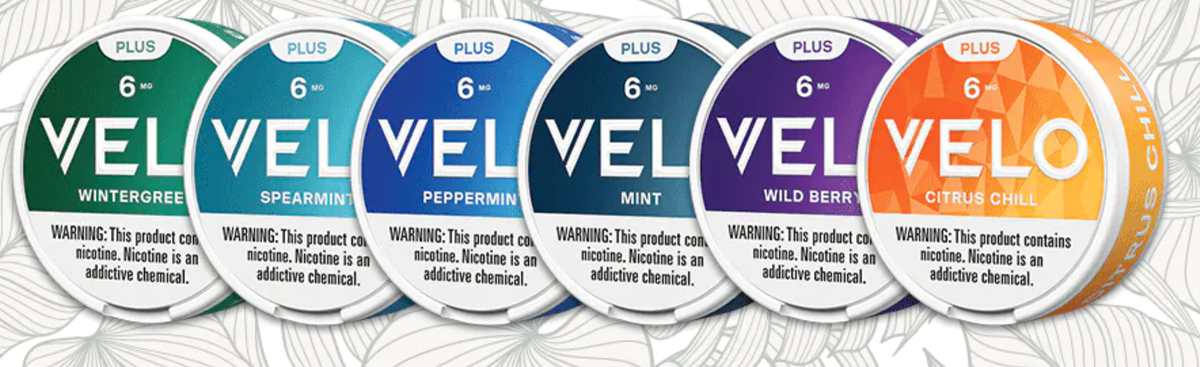
VELO Plus manufacturer recommends a retail price of $5.59 for a 20-pack can. At regular discount price, VELO Plus is priced at $3.99 per can, and the bulk discount price is $3.35 per can. Unlike VELO Original, VELO Plus uses synthetic nicotine instead of tobacco extracted nicotine.


VELO Plus offers two levels of nicotine concentration (6mg and 9mg) and seven different flavors: mint menthol, peppermint, wintergreen, mint, citrus cool, wild berry, and dragon fruit. The dragon fruit flavor is exclusively sold at 7-Eleven convenience stores.


British American Tobacco plans to introduce a "Smooth Tobacco" flavor option in the first quarter of 2025. However, VELO Plus initially has fewer flavor options than VELO Original, so it is expected that BAT will expand the range of flavors for VELO Plus in the coming months.


We welcome news tips, article submissions, interview requests, or comments on this piece.

Please contact us at info@2firsts.com, or reach out to Alan Zhao, CEO of 2Firsts, on LinkedIn


Notice

1.  This article is intended solely for professional research purposes related to industry, technology, and policy. Any references to brands or products are made purely for objective description and do not constitute any form of endorsement, recommendation, or promotion by 2Firsts.

2.  The use of nicotine-containing products — including, but not limited to, cigarettes, e-cigarettes, nicotine pouchand heated tobacco products — carries significant health risks. Users are responsible for complying with all applicable laws and regulations in their respective jurisdictions.

3.  This article is not intended to serve as the basis for any investment decisions or financial advice. 2Firsts assumes no direct or indirect liability for any inaccuracies or errors in the content.

4.  Access to this article is strictly prohibited for individuals below the legal age in their jurisdiction.


Copyright


This article is either an original work created by 2Firsts or a reproduction from third-party sources with proper attribution. All copyrights and usage rights belong to 2Firsts or the original content provider. Unauthorized reproduction, distribution, or any other form of unauthorized use by any individual or organization is strictly prohibited. Violators will be held legally accountable.

For copyright-related inquiries, please contact: info@2firsts.com


AI Assistance Disclaimer


This article may have been enhanced using AI tools to improve translation and editorial efficiency. However, due to technical limitations, inaccuracies may occur. Readers are encouraged to refer to the cited sources for the most accurate information.

We welcome any corrections or feedback. Please contact us at: info@2firsts.com

Australia Adds 6-Methylnicotine to Schedule 9 Prohibited Substances, Effective October 1
Australia's Therapeutic Goods Administration published a final decision on September 25 to classify 6-methylnicotine as a Schedule 9 prohibited substance under the Poisons Standard, effective October 1, 2026. TGA said the chemical has been reported in e-cigarette liquids sold in Australia and marketed as nicotine-free or nicotine alternatives, while evidence also indicates its use in preparations such as oral pouches. The government originally proposed a Schedule 7 classification but ultimately adopted the stricter Schedule 9 designation, citing acute toxicity, dependence risk, use in unapproved consumer products and misleading marketing.
News
Sep.29 by 2Firsts Perspectives
NAS 2026 | Former FDA Tobacco Chief Mitch Zeller Calls for Shift From “End Game” to “End State”
At the 2026 New Approaches Summit in New York, former FDA Center for Tobacco Products Director Mitch Zeller called for the tobacco harm reduction debate to shift from the traditional “end game” toward defining a desired “end state.” He also highlighted unresolved concerns around dual use, argued that biomarkers of exposure may be more meaningful than cigarettes-per-day in assessing risk reduction, and said nicotine misperceptions remain a major barrier to public health progress.
Sep.25
Spain Cigarette Volumes Fall 5.2% in August, BAT Drops 14.5%, JTI Gains Share; France Down 8.3% on Adjusted Basis
Spain's cigarette volumes declined 5.2% year over year in August 2026, according to government data cited by UBS and reported by Investing.com on October 7. British American Tobacco's volumes fell 14.5%, followed by Imperial Brands at 8.8%, Philip Morris International at 6.6% and Japan Tobacco at 4.6%. JTI was the only one of the four companies to gain cigarette market share, rising six basis points to 26.7%. In France, official customs data showed an unadjusted 3.7% decline in cigarette deliveries. Adjusting for the difference in delivery days produces a decline of approximately 8.3%, consistent with the UBS figure. The bank also estimated the earnings exposure of major tobacco companies to both markets.
Market
Oct.13
How Many Nicotine Pouch Factories Does Europe Need? 2Firsts Interviews AIRSCREAM on the OEM Market
At InterTabac 2026, nicotine pouch growth was visible not only in brands but across equipment, raw materials and OEM manufacturing. 2Firsts interviewed AIRSCREAM commercial head Steve Moore on how many pouch factories Europe may ultimately need and where manufacturers can differentiate, from formulation and flavour to pouch materials, production consistency and customer service. The category continues to expand, but questions remain over future capacity, consolidation and the long-term structure of the supply chain.
Sep.18
Reynolds Showcases Vuse Pro Flavors and VELO Nicotine Pouches at NACS Show 2026
Reynolds American, a BAT subsidiary, showcased four Vuse Pro flavored e-cigarette pods and its VELO nicotine pouch portfolio at NACS Show 2026. Booth staff confirmed to 2Firsts that the Vuse Pro flavors are sold in the U.S., although they have not received FDA marketing authorization. BAT outlined plans to expand Vuse retail distribution and reported that VELO held a 30.5% year-to-date volume share of the U.S. modern oral nicotine category through August 2026. The booth also featured the newly launched VELO MAX range and merchandising displays combining cigarettes, vaping products and oral nicotine brands.
EXPO
Oct.09
Arizona Turns to a 50% Retail Vape Tax as Tobacco Tax Revenue Falls 47% From 2008
Arizona's First Things First is pushing for an excise tax equal to 50% of the retail price of vaping products, estimating that the measure could generate about $100 million annually. The agency says its tobacco-tax revenue has fallen 47% from 2008 levels. Arizona has attempted to broaden its nicotine tax base in each of the past two years: a 2025 bill proposed a 50% wholesale-price tax, while a 2026 measure shifted to a 50% retail-price tax covering alternative nicotine products and vapor products. Separately, the state enacted HB 4001 this year to establish a new licensing and sales framework for alternative nicotine products.
Sep.21