Key points
- Draft amendment would ban sales of disposable e-cigarettes, with or without nicotine.
- Proposal cites health concerns and a focus on “young adults,” not only minors.
- Environmental concerns highlighted: plastic devices and lithium batteries are hard to recycle.
- Nicotine pouches would be restricted, with only tobacco flavour allowed.
- Authorities would gain stronger powers to order independent testing of e-liquids and emissions.
2Firsts, March 10, 2026
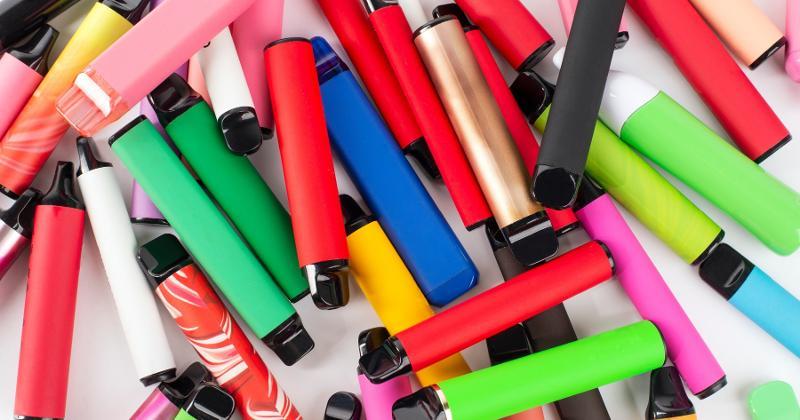
According to WNP, the government is set to review a draft amendment to the country’s tobacco control law that would outlaw the sale of disposable e-cigarettes — including nicotine-free versions — while adding tighter controls on nicotine pouches and other novel nicotine products.
The draft rationale argues that the measures are intended to curb disposable vape use not only among people under 18, but also among adults, with particular emphasis on “young adults.” It points to concerns that e-cigarettes deliver highly addictive nicotine and other substances whose long-term health impacts are not fully understood, citing research that suggests toxic effects on cells and lungs and potential impacts on the immune system.
The proposal also stresses environmental harms: single-use vapes are typically made with plastic and include lithium-ion batteries, making them difficult to recycle. Their design can also complicate oversight of e-liquid composition.
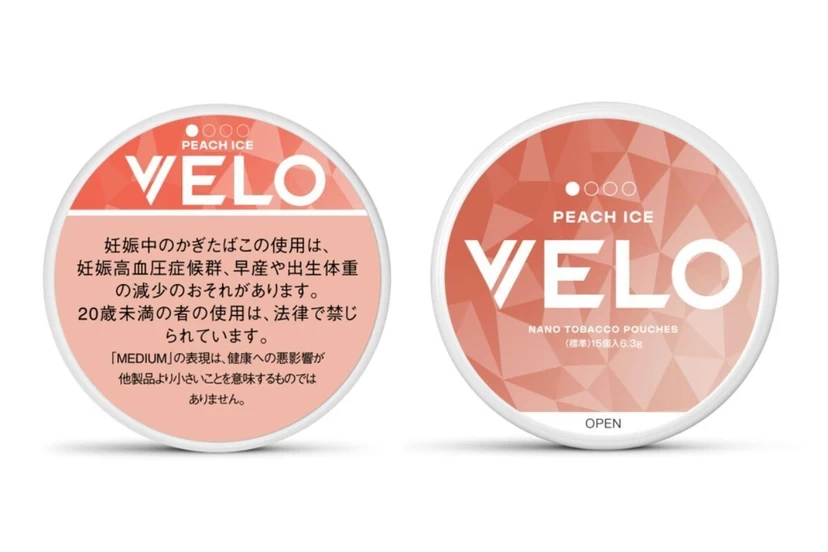
On nicotine pouches, the draft would keep only tobacco-flavoured variants on the market, arguing that sweet, fruity or mint flavours can increase youth appeal.
Enforcement measures would be strengthened as well, including expanded authority to commission tests — by laboratories independent from the nicotine industry — to verify e-liquid composition and emissions from devices. The draft also seeks to clarify oversight of “novel nicotine products” such as gums, tablets, sprays and nicotine drinks, leaning toward restricting market access to a medicines-style pathway that requires evidence of safety and effectiveness.
Image source: WNP
We welcome news tips, article submissions, interview requests, or comments on this piece.
Please contact us at info@2firsts.com, or reach out to Alan Zhao, CEO of 2Firsts, on LinkedIn
Notice
1. This article is intended solely for professional research purposes related to industry, technology, and policy. Any references to brands or products are made purely for objective description and do not constitute any form of endorsement, recommendation, or promotion by 2Firsts.
2. The use of nicotine-containing products — including, but not limited to, cigarettes, e-cigarettes, nicotine pouchand heated tobacco products — carries significant health risks. Users are responsible for complying with all applicable laws and regulations in their respective jurisdictions.
3. This article is not intended to serve as the basis for any investment decisions or financial advice. 2Firsts assumes no direct or indirect liability for any inaccuracies or errors in the content.
4. Access to this article is strictly prohibited for individuals below the legal age in their jurisdiction.
Copyright
This article is either an original work created by 2Firsts or a reproduction from third-party sources with proper attribution. All copyrights and usage rights belong to 2Firsts or the original content provider. Unauthorized reproduction, distribution, or any other form of unauthorized use by any individual or organization is strictly prohibited. Violators will be held legally accountable.
For copyright-related inquiries, please contact: info@2firsts.com
AI Assistance Disclaimer
This article may have been enhanced using AI tools to improve translation and editorial efficiency. However, due to technical limitations, inaccuracies may occur. Readers are encouraged to refer to the cited sources for the most accurate information.
We welcome any corrections or feedback. Please contact us at: info@2firsts.com