Belgium to Ban Sales of Disposable E-Cigarettes from 2025

Regulations by 2FIRSTS.ai
Mar.25.2024
Belgium to Ban Sales of Disposable E-Cigarettes from 2025
Belgium to ban disposable e-cigarettes from 2025 in efforts to create a smoke-free generation, gaining approval from EU Commission.

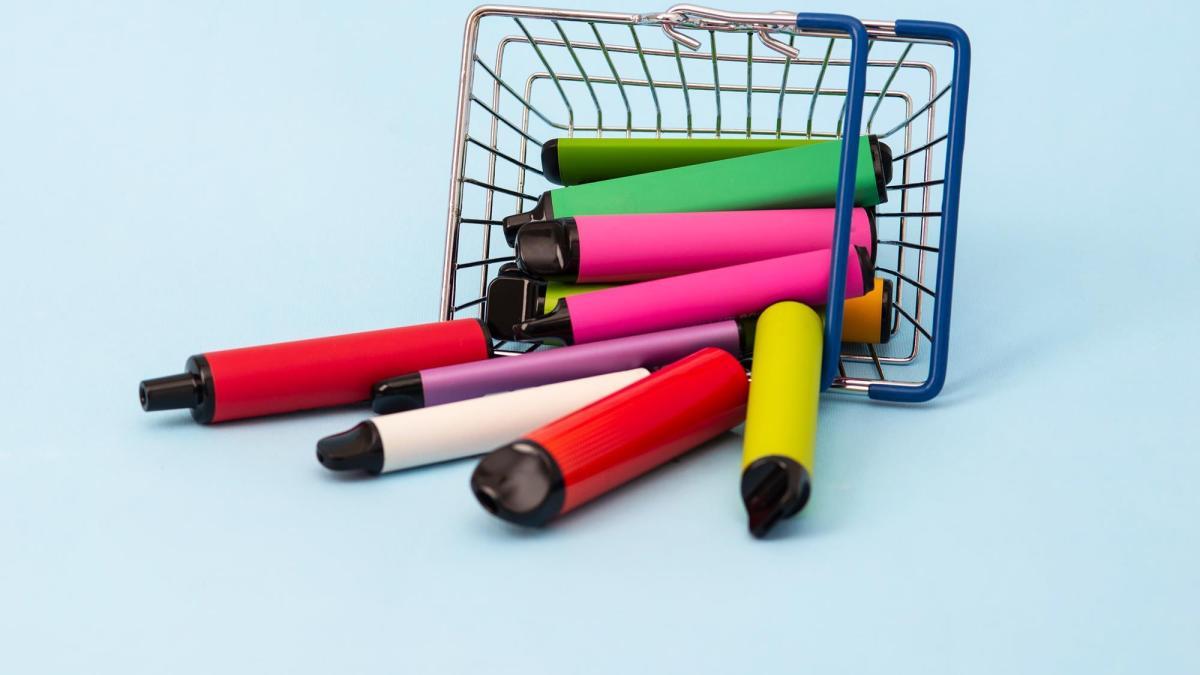
According to Moustique, Belgian Minister of Health, Frank Vandenbroucke, announced that as of January 1, 2025, Belgium will ban the sale of disposable e-cigarettes in order to achieve the goal of a "smoke-free generation."


He stated in a press release: "Our country's ban on disposable e-cigarettes has received approval from the European Commission."


Disposable e-cigarettes have caused significant harm to society and the environment. These harmful products are primarily targeted at our young people. Therefore, I am pleased to be able to remove them from the market.


According to him, smoking is one of the main causes of preventable diseases and deaths in Belgium. Within the framework of the minister's anti-smoking plan, a series of measures have been introduced, aimed at motivating smokers to quit on one hand, and preventing non-smokers from starting smoking on the other.


The plan proposed to ban the sale of disposable e-cigarettes starting January 1, 2025. In 2021, the Minister submitted a regulation to the EU Commission to ban the sale of disposable e-cigarettes. Mr. Vandenbroek stated that the document submitted this week has been finally approved.


Therefore, all disposable e-cigarettes will be banned from sale starting from January 1, 2025. A royal decree is being drafted to prohibit the sale of these products. According to the minister, Belgium will be the first country in the European Union to effectively ban the sale of disposable e-cigarettes.


He concluded:


Our goal is to achieve a smoke-free generation. We hope that citizens, especially young people, can receive better protection and reduce their exposure to tobacco or alternative smoking products. By taking this measure, we will be taking a highly harmful and cheap product off the market, which is also very appealing to young people. Belgium is leading the way in weakening tobacco lobbying groups in Europe. This is a new milestone in our fight against smoking.


We welcome news tips, article submissions, interview requests, or comments on this piece.

Please contact us at info@2firsts.com, or reach out to Alan Zhao, CEO of 2Firsts, on LinkedIn


Notice

1.  This article is intended solely for professional research purposes related to industry, technology, and policy. Any references to brands or products are made purely for objective description and do not constitute any form of endorsement, recommendation, or promotion by 2Firsts.

2.  The use of nicotine-containing products — including, but not limited to, cigarettes, e-cigarettes, nicotine pouchand heated tobacco products — carries significant health risks. Users are responsible for complying with all applicable laws and regulations in their respective jurisdictions.

3.  This article is not intended to serve as the basis for any investment decisions or financial advice. 2Firsts assumes no direct or indirect liability for any inaccuracies or errors in the content.

4.  Access to this article is strictly prohibited for individuals below the legal age in their jurisdiction.


Copyright


This article is either an original work created by 2Firsts or a reproduction from third-party sources with proper attribution. All copyrights and usage rights belong to 2Firsts or the original content provider. Unauthorized reproduction, distribution, or any other form of unauthorized use by any individual or organization is strictly prohibited. Violators will be held legally accountable.

For copyright-related inquiries, please contact: info@2firsts.com


AI Assistance Disclaimer


This article may have been enhanced using AI tools to improve translation and editorial efficiency. However, due to technical limitations, inaccuracies may occur. Readers are encouraged to refer to the cited sources for the most accurate information.

We welcome any corrections or feedback. Please contact us at: info@2firsts.com

Australia’s Daily Smoking Rate Falls to Record Low of 5.8% as Nicotine Use Patterns Shift
According to the Australian Institute of Health and Welfare’s National Drug Strategy Household Survey, daily smoking among Australians aged 18 and over fell to a record low of 5.8% in 2025. Health Minister Mark Butler said Australia now has around 500,000 fewer daily smokers than three years ago and credited the government’s vaping reforms as part of broader progress. Among people aged 14 and over, daily smoking declined from 8.3% in 2022-23 to 5.6% in 2025. Daily vaping rates stabilised at 3.6%, while the government also moved to further restrict access to nicotine pouches through unapproved therapeutic import pathways.
Jul.21
Philippine Local Governments Urge Marcos to Prioritize Smoke- and Vape-Free Bill
The League of Municipalities of the Philippines (LMP) has urged President Ferdinand Marcos Jr. to prioritize the Smoke- and Vape-Free Bill, seeking a nationwide legal framework for tobacco and vape regulation. Local government leaders said national legislation would help standardize enforcement and strengthen public health measures. The proposal remains at the advocacy stage and has not yet become law.
Jul.29
2Firsts Data | China’s U.S. Vape Exports Have Yet to Regain Previous Growth Momentum in H1 2026, but Hardware Grew 15.2% and 6-Methyl Nicotine-Related Products Rose 234.7%
China’s vape exports to the U.S. reached approximately $1.58 billion in the first half of 2026, remaining broadly stable from a year earlier but still below previous growth momentum. 2Firsts’ analysis of China Customs data shows that the U.S. market has not simply returned to its previous trajectory after the enforcement shock and inventory-driven swings of 2025. Instead, export momentum is shifting across product categories. Vaping devices and atomization hardware increased 15.2% year over year, while 6-methyl nicotine-related and other nicotine substitute products surged 234.7%. Meanwhile, traditional nicotine-containing vaping products continued to face pressure.
Jul.22
FDA Sued Over Allowing Some Unauthorized Vapes and Nicotine Pouches to Stay on Market
Public health groups, pediatricians and parents sued the U.S. Food and Drug Administration on July 14, 2026, challenging a May enforcement guidance that they say allows unauthorized e-cigarettes and nicotine pouches to remain on the market while applications are under review.
Jul.15
China Discloses First Criminal Case Over Counterfeit Vapes Disguised as “Medical Nebulizers” and “Zero-Nicotine” Products
Chinese authorities have disclosed the country’s first reported criminal case involving counterfeit vapes marketed as “medical nebulizers” and “zero-nicotine” products. Authorities determined that the products involved were counterfeit vapes and pursued criminal charges for producing and selling counterfeit goods. According to the report, the case resulted in the seizure of 347,000 counterfeit vape pods and 53,700 vape devices, with physical goods valued at 22.13 million yuan.
Aug.04
Japan’s Heated Tobacco Tax Changes Reshape Consumer Choices, Survey Reveals Impact of Price and Income
A consumer survey by Japanese heated tobacco information platform RELAZO found that rising tobacco prices and planned heated tobacco tax changes may influence smoking decisions among Japanese consumers. The survey covered 49,879 men and women aged 20 to 69 nationwide. It found that around 40% of respondents cumulatively indicated they may consider quitting when a pack reaches ¥600 (approximately US$4.1), while nearly 90% expressed potential quitting intentions at a ¥1,000 (approximately US$6.8) price level. The survey also found significant differences by income level, with lower-income respondents showing greater sensitivity to price increases.
Jul.24