Belgium to Become First EU Country to Ban Disposable E-Cigarettes

Jan.02.2025
Belgium to Become First EU Country to Ban Disposable E-Cigarettes
Belgium to become first EU country to ban disposable e-cigarettes in 2025, while Estonia yet to set national ban.

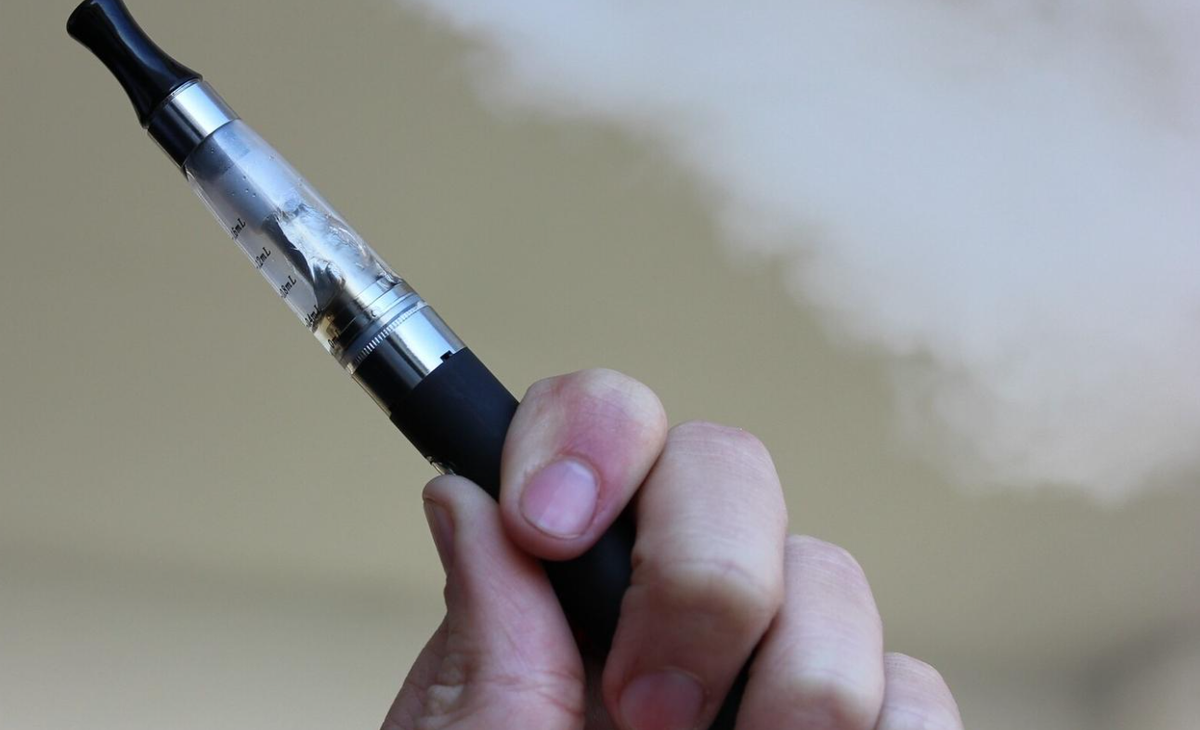
According to ERR on December 31st, Belgium will become the first EU member state to ban the sale of disposable e-cigarettes starting on January 1, 2025. Meanwhile, in Estonia, a nationwide ban on the sale of disposable e-cigarettes has not yet been scheduled at the national level.


The head of the Department of Environmental Protection and Chemical Safety in the Ministry of Social Affairs, Iive Telling, pointed out that Estonia has been discussing the possibility of banning the sale of disposable e-cigarettes for many years.


The current situation is that we have not implemented a direct ban on e-cigarettes. We support a regulatory approach across Europe at the government level. Implementing bans separately in different countries is much more difficult than establishing a unified regulatory system within the European Union.


She explained that the idea of banning the sale of disposable e-cigarettes throughout the European Union is still in the early stages of discussion. They are studying the positions of each member state and considering different approaches to solving this issue, as the scale of the problem varies from country to country and the products used also differ. Terin believes that implementing a ban in just one country is unlikely to achieve the desired effect, and regulation should be conducted across the entire European Union.


In Estonia, the sale of flavored e-cigarette liquid, apart from tobacco and mint flavors, has been banned. Additionally, cross-border and domestic remote sales of tobacco products, including e-cigarettes, are also prohibited.


We welcome news tips, article submissions, interview requests, or comments on this piece.

Please contact us at info@2firsts.com, or reach out to Alan Zhao, CEO of 2Firsts, on LinkedIn


Notice

1.  This article is intended solely for professional research purposes related to industry, technology, and policy. Any references to brands or products are made purely for objective description and do not constitute any form of endorsement, recommendation, or promotion by 2Firsts.

2.  The use of nicotine-containing products — including, but not limited to, cigarettes, e-cigarettes, nicotine pouchand heated tobacco products — carries significant health risks. Users are responsible for complying with all applicable laws and regulations in their respective jurisdictions.

3.  This article is not intended to serve as the basis for any investment decisions or financial advice. 2Firsts assumes no direct or indirect liability for any inaccuracies or errors in the content.

4.  Access to this article is strictly prohibited for individuals below the legal age in their jurisdiction.


Copyright


This article is either an original work created by 2Firsts or a reproduction from third-party sources with proper attribution. All copyrights and usage rights belong to 2Firsts or the original content provider. Unauthorized reproduction, distribution, or any other form of unauthorized use by any individual or organization is strictly prohibited. Violators will be held legally accountable.

For copyright-related inquiries, please contact: info@2firsts.com


AI Assistance Disclaimer


This article may have been enhanced using AI tools to improve translation and editorial efficiency. However, due to technical limitations, inaccuracies may occur. Readers are encouraged to refer to the cited sources for the most accurate information.

We welcome any corrections or feedback. Please contact us at: info@2firsts.com

BAT Calls for Retailer Input in Future Nicotine Regulations
British American Tobacco (BAT) has called for stronger retailer involvement in shaping future nicotine product regulations in the UK, arguing that frontline market feedback should be considered during policy development. BAT said retailers provide direct insight into consumer behavior, market changes and regulatory implementation challenges. The comments come as the UK nicotine market undergoes regulatory changes, including the disposable vape ban, Vaping Products Duty and efforts to address illicit vape sales.
Jul.29
UK Sets Oct. 29 Start for New Vape Retail Rules Covering Age Checks, Giveaways and Discounts
The UK Department of Health and Social Care published new guidance on Aug. 11 outlining the next phase of retail rules under the Tobacco and Vapes Act 2026, which will take effect on Oct. 29, 2026. The measures extend the minimum age of sale of 18 to all vaping and consumer nicotine products and restrict proxy purchasing, promotional giveaways and substantial discounts. Relevant offences in England, Wales and Scotland may carry a £200 fixed penalty notice, while persistent offenders can face temporary sales bans.
Aug.12
BAT New Categories Revenue Rises 18% in H1 2026 as Broad Portfolio Offers More Ways to Win—and Lose
British American Tobacco’s New Category revenue rose 18% at constant rates in the first half of 2026. Nicotine-pouch brand Velo expanded rapidly, while Vuse recovered as U.S. enforcement against illicit e-vapor products strengthened. Heated-tobacco platform glo remained under pressure, and cigarettes continued to provide most of the group’s profit and cash. Compared with PMI and JT, BAT has more routes to growth—but also greater regulatory, investment and execution risks across its broader portfolio.
BAT
Jul.30
UAE Sets Dh1-Per-ml Minimum Excise Price for Vape Liquids From Sept. 1 While Keeping 100% Tax Rate
The UAE Ministry of Finance will introduce a minimum excise price for e-liquids used in vaping and electronic smoking devices from September 1, 2026. The minimum excise price will be set at AED 1 per millilitre. The existing 100% excise tax rate will continue to apply to tobacco and electronic smoking products. The measure changes the minimum taxable base rather than the tax rate, with the UAE government saying it aims to establish unified tax standards, improve market compliance and prevent pricing loopholes.
Regulations
Aug.07 by 2Firsts Perspectives
China Tobacco International HK Warns First-Half Revenue May Fall 25%-30%, Tobacco Leaf and Duty-Free Exposure Highlight Reliance on Traditional Tobacco
CTIHK expects first-half 2026 revenue to fall 25%-30%, mainly due to lower tobacco leaf imports and delayed cigarette shipments to China’s domestic duty-free market. Its 2025 revenue mix—nearly 90% from tobacco leaf-related businesses and less than 1% from new tobacco products—shows continued exposure to traditional supply chains and trade variables.
Jun.18
U.S. Appeals Court Says BAT Must Face Class Action Over Cigarette Labels
A U.S. appeals court ruled that British American Tobacco (BAT) must continue facing a consumer class action lawsuit over cigarette labels. The ruling allows the case to proceed but does not determine that BAT violated the law or is liable for damages. The case highlights ongoing legal risks facing major tobacco companies related to product labeling, consumer disclosures and product liability claims.
Jul.31