For decades, the number of smokers in Belgium has been steadily decreasing. In 1982, 40% of Belgians smoked, but by 2018, this figure had dropped to 19.4%. In terms of absolute numbers, this means there were 3.9 million smokers in the 1980s, compared to 2.2 million in 2018. Approximately half of smokers eventually quit, largely due to public education campaigns and new regulations highlighting the harmful effects of smoking.
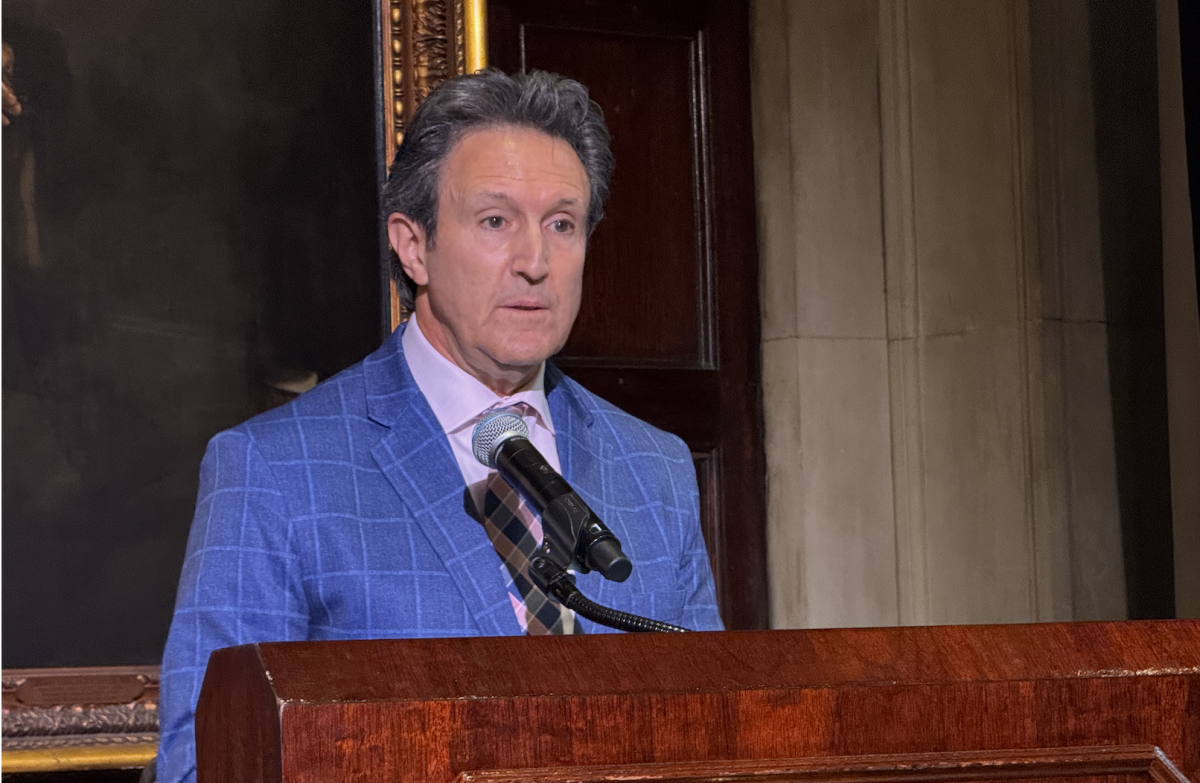
However, there is some good news, although it is scarce. The decline in smoking rates has come to a standstill. "We must clean up our own doorstep and face the reality that policies are asleep at the wheel," said Minister of Health Frank Vandenbroucke in an interview with "Terzake." He emphasized the need for new measures. "Current measures have become stagnant. That's why we need to reignite this train. Quitting smoking is extremely difficult, and we must ensure people don't start in the first place.
In order to achieve this goal, the federal government has developed an anti-tobacco plan. For example, Van den Broeck hopes to further tighten the smoking ban and reduce the number of sales points from 2025 onwards. "From January 1st, the train will really start, and from then on, you will no longer be allowed to smoke on NMBS platforms. From 2024, we will address the issue of tobacco vending machines and prohibit temporary sales points. From 2025, we will also ban smoking in many places where children gather, such as playgrounds and amusement parks.
It is surprising that the largest proportion of smokers belong to lower socio-economic classes. "These people are harder to reach," said Vandenbroucke. "For this reason, we must significantly increase prices, and we are already doing so." Starting on January 1, 2023, cigarette packages that currently cost half a euro will cost over 9 euros in 2024, according to Vandenbroucke. He believes that this price increase should be accompanied by a decrease in the prices of fruits and vegetables.
Cancer expert Filip Lardon is pleased with Vandenbroucke's plan to reduce smoking rates. "I am happy with the federal government's anti-tobacco plan," said Lardon. "But it needs to be faster." For example, he wonders why the ban on smoking in amusement parks and playgrounds won't be effective until 2025. "Why wait two more years to implement it within two months?" Vandenbroucke sees this as primarily for practical reasons, "sometimes you have to seek support.
Trains can go faster. I always remember that 14,000 people die of cancer in our country every year," said Laden. "An interesting example is New Zealand. Children born there after 2009 cannot buy tobacco at all. I think that is an interesting idea." Vandenbroucke expressed satisfaction with the resumption of train services.
The use of electronic cigarettes is another tricky issue. Vandenbroucke considers e-cigarettes to be very dangerous. "There is almost no certainty about the health consequences," he pointed out. "More than 1800 different products are processed in them." Vandenbroucke also wants to take action on this, such as tightening regulations on e-cigarette advertising. "But we should not completely ban e-cigarettes, some people have also quit smoking," Laden warned.
Disclaimer
This article is provided solely for professional research, industry discussion, and informational purposes. Any references to brands, companies, products, technologies, or policies are made for factual reporting and analytical purposes only, and do not constitute endorsement, recommendation, promotion, or advertising by 2Firsts.
Nicotine-containing products, including but not limited to cigarettes, e-cigarettes, heated tobacco products, and nicotine pouches, carry significant health risks. Readers are responsible for complying with all applicable laws and regulations in their respective jurisdictions, including age restrictions and access limitations.
The information contained in this article should not be regarded as investment, legal, medical, regulatory, or commercial advice. While 2Firsts strives to ensure the accuracy and reliability of its content, it does not assume liability for any direct or indirect loss arising from errors, omissions, inaccuracies, or reliance on the information contained herein.
This article is not intended for individuals below the legal age for accessing tobacco or nicotine-related information in their jurisdiction.
Copyright Notice
This article is either original content produced by 2Firsts or content reproduced, translated, summarized, or adapted from third-party sources with attribution where applicable. The intellectual property rights of the original content remain with 2Firsts or the respective original rights holders.
No individual or organization may copy, reproduce, distribute, republish, modify, translate, or otherwise use this content without prior authorization. Any unauthorized use may result in legal action.
For copyright-related inquiries, corrections, or removal requests, please contact: info@2firsts.com.
AI-Assisted Translation and Editing Notice
Portions of this article may have been translated, edited, or reviewed with the assistance of artificial intelligence tools to improve efficiency and readability. Due to the limitations of AI-assisted translation and editing, discrepancies, omissions, or inaccuracies may exist when compared with the original source.
Where applicable, readers are advised to refer to the original source for the most complete and accurate information. If you identify any errors or believe that any content infringes upon your rights, please contact us at info@2firsts.com, and we will review and address the matter promptly.