Brazil Considers Revising Ban on E-Cigarettes and Advertising

Regulations by 2FIRSTS.ai
Jan.09.2024
Brazil Considers Revising Ban on E-Cigarettes and Advertising
Brazil's health regulator, Anvisa, has launched a public consultation on the use of e-cigarettes until February 9th.

Recently, according to Brazilian media outlet Gaz, Brazil's National Health Surveillance Agency (Anvisa) has initiated a public consultation regarding the use of e-cigarettes in Brazil. The consultation, which will last until February 9th, allows the public to provide their opinions and suggestions through an online form. After the consultation period, Anvisa will evaluate the received feedback and release a final report.


According to an announcement by Brazil's National Health Surveillance Agency (Anvisa), they are considering reevaluating the regulations that have been in place since 2009, which prohibit the use of electronic smoking devices nationwide. This potential change would affect all types of e-cigarettes. The proposal also contemplates banning advertisements of these products in any media, whether electronic or non-electronic, as well as any other form of public consumer promotion.


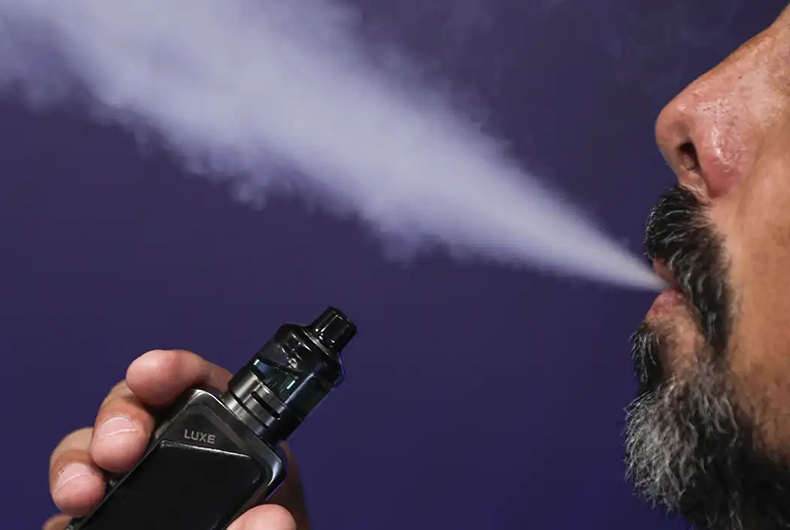
Electronic smoking devices (ESDs) have a diverse range of technologies and have been continuously improved over time. Currently, there are various types available on the market, including e-cigarettes and box mod e-cigarettes, some of which are even equipped with rechargeable batteries or interchangeable e-liquids. According to the Brazilian National Health Surveillance Agency (Anvisa), a ban implemented in Brazil in 2009 covers all types of electronic smoking devices, including their sales, imports, and advertising.


We welcome news tips, article submissions, interview requests, or comments on this piece.

Please contact us at info@2firsts.com, or reach out to Alan Zhao, CEO of 2Firsts, on LinkedIn


Notice

1.  This article is intended solely for professional research purposes related to industry, technology, and policy. Any references to brands or products are made purely for objective description and do not constitute any form of endorsement, recommendation, or promotion by 2Firsts.

2.  The use of nicotine-containing products — including, but not limited to, cigarettes, e-cigarettes, nicotine pouchand heated tobacco products — carries significant health risks. Users are responsible for complying with all applicable laws and regulations in their respective jurisdictions.

3.  This article is not intended to serve as the basis for any investment decisions or financial advice. 2Firsts assumes no direct or indirect liability for any inaccuracies or errors in the content.

4.  Access to this article is strictly prohibited for individuals below the legal age in their jurisdiction.


Copyright


This article is either an original work created by 2Firsts or a reproduction from third-party sources with proper attribution. All copyrights and usage rights belong to 2Firsts or the original content provider. Unauthorized reproduction, distribution, or any other form of unauthorized use by any individual or organization is strictly prohibited. Violators will be held legally accountable.

For copyright-related inquiries, please contact: info@2firsts.com


AI Assistance Disclaimer


This article may have been enhanced using AI tools to improve translation and editorial efficiency. However, due to technical limitations, inaccuracies may occur. Readers are encouraged to refer to the cited sources for the most accurate information.

We welcome any corrections or feedback. Please contact us at: info@2firsts.com

BAT Calls for Retailer Input in Future Nicotine Regulations
British American Tobacco (BAT) has called for stronger retailer involvement in shaping future nicotine product regulations in the UK, arguing that frontline market feedback should be considered during policy development. BAT said retailers provide direct insight into consumer behavior, market changes and regulatory implementation challenges. The comments come as the UK nicotine market undergoes regulatory changes, including the disposable vape ban, Vaping Products Duty and efforts to address illicit vape sales.
Jul.29
Scottish Vape Display Rules Could Cost Businesses £61 Million, Affecting More Than 11,000 Retail Outlets
A Scottish government impact assessment estimates that proposed vape display and packaging rules could create up to £61 million ($82 million) in compliance costs for businesses, affecting more than 11,000 retail outlets. The estimated costs are mainly linked to inventory adjustments, retail storage changes and the resources required for businesses to understand and implement the new requirements. The measures form part of the UK’s broader efforts to tighten vape regulation, particularly around product displays, packaging and sales practices.
Aug.10
InterTabac 2026: Further Sessions on Regulation, Market Access and Innovation Confirmed; 2FIRSTS to Host China Market Forum
InterTabac 2026 will bring together international experts to discuss European regulation, tax policy, Track & Trace, market access, retail impacts, consumer behavior and innovation. Sessions will also examine Poland’s tobacco-growing perspective and the growing fragmentation of Europe’s tobacco and nicotine market. Media partner 2FIRSTS will host the second “2FIRSTS Connect at InterTabac” on September 16, focusing on developments in China’s tobacco and nicotine industry.
Aug.06
UK Sets Oct. 29 Start for New Vape Retail Rules Covering Age Checks, Giveaways and Discounts
The UK Department of Health and Social Care published new guidance on Aug. 11 outlining the next phase of retail rules under the Tobacco and Vapes Act 2026, which will take effect on Oct. 29, 2026. The measures extend the minimum age of sale of 18 to all vaping and consumer nicotine products and restrict proxy purchasing, promotional giveaways and substantial discounts. Relevant offences in England, Wales and Scotland may carry a £200 fixed penalty notice, while persistent offenders can face temporary sales bans.
Aug.12
As JUUL2 Wins FDA Authorization, Harm Reduction Journal Highlights the Role of Real-World Evidence in Nicotine Product Regulation
A commentary published in the international open-access, peer-reviewed Harm Reduction Journal argues that randomized controlled trials remain central to evaluating smoking cessation efficacy but cannot alone capture real-world uptake, complete switching, longer-term use and population impact of non-combustible nicotine products such as e-cigarettes, heated tobacco and nicotine pouches. The authors frame impact as “reach × efficacy” and call for real-world evidence to complement RCTs. Three days after publication, the FDA authorized three JUUL2 products and highlighted complete switching among adult smokers in explaining its decision, providing a timely regulatory backdrop to the debate.
Sep.08
PMI Q2 Call: ZYN Growth, IQOS Pricing and a Diverging Global Tobacco Market
Philip Morris International’s second-quarter earnings call offered new detail on its smoke-free strategy. Management said it would increase U.S. investment behind nicotine pouch brand ZYN, keep IQOS focused on volume before stronger pricing, and use SENTIA, DELIA, LEVIA, VEEV and ZYN to manage tax and regulatory pressure across Japan and Europe. Analysts from Goldman Sachs, Morgan Stanley, UBS and other firms also pressed PMI on profitability, market share, cigarette resilience and the durability of its global transformation over coming quarters.
Jul.24