According to Brazilian media outlet Poder 360, the Brazilian National Health Surveillance Agency (Anvisa) has initiated a public consultation on the use of e-cigarettes in Brazil on December 12th.
The consultation will last for 60 days, and everyone has the right to participate. According to reports, the organization previously banned the use of e-cigarettes in Brazil in 2009. However, in July 2022, the board of directors of the organization once again made a resolution on the matter, unanimously deciding to maintain the ban.
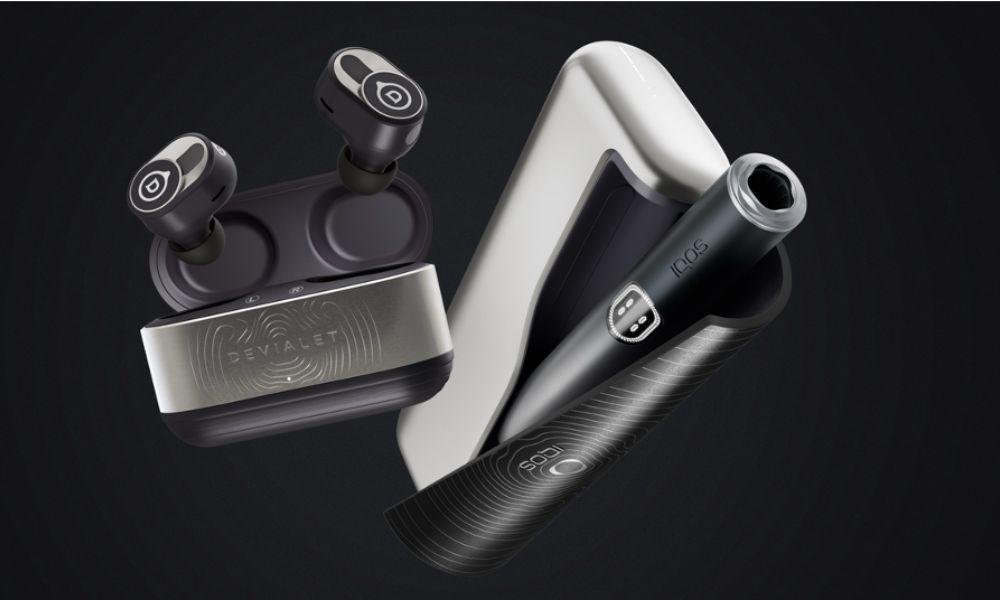
According to reports, there are various types of e-cigarettes, with the most common being vaporizers - devices that allow users to inhale flavored and nicotine-infused vapor. In addition, there are also e-cigarette devices that can heat tobacco without combustion.
According to Antonio Barra Torres, the President of Brazil's National Health Surveillance Agency, the issue will be re-evaluated after collecting all opinions, as announced during the public consultation in October 2023.
Jose Costa e Silva, a psychologist from Brazil who previously served as a board member for the World Health Organization (WHO), has voiced his support for the regulation of e-cigarettes.
He believes that all prohibited things are harmful and opposes complete prohibition. His viewpoint is that many people fail to understand the difference between standardized management and complete prohibition.
The report concludes that Gonzalo Vecina, professor at the College of Public Health at the University of São Paulo and former president of Brazil's National Health Surveillance Agency, also supports the regulation of e-cigarettes.
He also acknowledges that nicotine in e-cigarettes is harmful to health, but believes that these devices are less harmful than traditional cigarettes. Considering that traditional cigarettes are already allowed, he argues that e-cigarettes should also be allowed for consumption.
We welcome news tips, article submissions, interview requests, or comments on this piece.
Please contact us at info@2firsts.com, or reach out to Alan Zhao, CEO of 2Firsts, on LinkedIn
Notice
1. This article is intended solely for professional research purposes related to industry, technology, and policy. Any references to brands or products are made purely for objective description and do not constitute any form of endorsement, recommendation, or promotion by 2Firsts.
2. The use of nicotine-containing products — including, but not limited to, cigarettes, e-cigarettes, nicotine pouchand heated tobacco products — carries significant health risks. Users are responsible for complying with all applicable laws and regulations in their respective jurisdictions.
3. This article is not intended to serve as the basis for any investment decisions or financial advice. 2Firsts assumes no direct or indirect liability for any inaccuracies or errors in the content.
4. Access to this article is strictly prohibited for individuals below the legal age in their jurisdiction.
Copyright
This article is either an original work created by 2Firsts or a reproduction from third-party sources with proper attribution. All copyrights and usage rights belong to 2Firsts or the original content provider. Unauthorized reproduction, distribution, or any other form of unauthorized use by any individual or organization is strictly prohibited. Violators will be held legally accountable.
For copyright-related inquiries, please contact: info@2firsts.com
AI Assistance Disclaimer
This article may have been enhanced using AI tools to improve translation and editorial efficiency. However, due to technical limitations, inaccuracies may occur. Readers are encouraged to refer to the cited sources for the most accurate information.
We welcome any corrections or feedback. Please contact us at: info@2firsts.com