California B2B Exhibition Market Report: Analysis and Forecast

Aug.26.2022
California B2B Exhibition Market Report: Analysis and Forecast
This report analyzes the B2B exhibition industry with historical progress, future prospects, and leading company statistics.

The B2B exhibition market report focuses on providing a comprehensive analysis of the current and future prospects of the B2B exhibition industry in California, USA. It covers the historical developments, the ongoing market scenario, and future prospects, defining the market position of manufacturing companies with accurate data on leading companies' products, strategies, and market share. The report provides a 360-degree overview of the competitive scenario in the entire market to predict the size and valuation of the global B2B exhibition market during the forecast period.


Some of the top companies affecting this market include Tarsus Group, RELX Group, Emerald Expositions, PennWell Corp., Deutsche Messe, UBM, ITE Group, Koelnmesse, Messe Frankfurt, MCH Group, and Informa Exhibitions.


Various factors have contributed to the growth trajectory of the market, which has been extensively studied in this report. Additionally, the report lists the constraints that pose a threat to the global B2B exhibition market. This report integrates primary and secondary research to consider the macro and micro environmental factors of the various segmented markets in terms of size, share, dynamics, and forecasts. It also measures the bargaining power of suppliers and buyers, threats from new entrants and product substitutes, as well as the level of competition prevalent in the market.


Statement


This article has been compiled based on third-party information, for the purpose of industry discussion and learning.


This article does not necessarily reflect the views of 2FIRSTS, and 2FIRSTS cannot confirm the authenticity or accuracy of the content. The compilation of this article is only intended for industry research and communication.


Due to limitations in the level of translation, the translated article may not fully match the original text. Please refer to the original text for accuracy.


2FIRSTS is completely aligned with the Chinese government's stance on all domestic, Hong Kong, Macau, Taiwan, and foreign-related issues and positions.


Translation: The copyright of compiled information belongs to the original media and author. If there is any infringement, please contact us for deletion.


Disclaimer

This article is provided solely for professional research, industry discussion, and informational purposes. Any references to brands, companies, products, technologies, or policies are made for factual reporting and analytical purposes only, and do not constitute endorsement, recommendation, promotion, or advertising by 2Firsts.

Nicotine-containing products, including but not limited to cigarettes, e-cigarettes, heated tobacco products, and nicotine pouches, carry significant health risks. Readers are responsible for complying with all applicable laws and regulations in their respective jurisdictions, including age restrictions and access limitations.

The information contained in this article should not be regarded as investment, legal, medical, regulatory, or commercial advice. While 2Firsts strives to ensure the accuracy and reliability of its content, it does not assume liability for any direct or indirect loss arising from errors, omissions, inaccuracies, or reliance on the information contained herein.

This article is not intended for individuals below the legal age for accessing tobacco or nicotine-related information in their jurisdiction.


Copyright Notice

This article is either original content produced by 2Firsts or content reproduced, translated, summarized, or adapted from third-party sources with attribution where applicable. The intellectual property rights of the original content remain with 2Firsts or the respective original rights holders.

No individual or organization may copy, reproduce, distribute, republish, modify, translate, or otherwise use this content without prior authorization. Any unauthorized use may result in legal action.

For copyright-related inquiries, corrections, or removal requests, please contact: info@2firsts.com.


AI-Assisted Translation and Editing Notice

Portions of this article may have been translated, edited, or reviewed with the assistance of artificial intelligence tools to improve efficiency and readability. Due to the limitations of AI-assisted translation and editing, discrepancies, omissions, or inaccuracies may exist when compared with the original source.

Where applicable, readers are advised to refer to the original source for the most complete and accurate information. If you identify any errors or believe that any content infringes upon your rights, please contact us at info@2firsts.com, and we will review and address the matter promptly.

Smoke-Free Business Hits 42% of Q2 Net Revenue as PMI’s First TNFD Report Covers Single-Use Electronics, Critical Raw Materials and IQOS Repairs
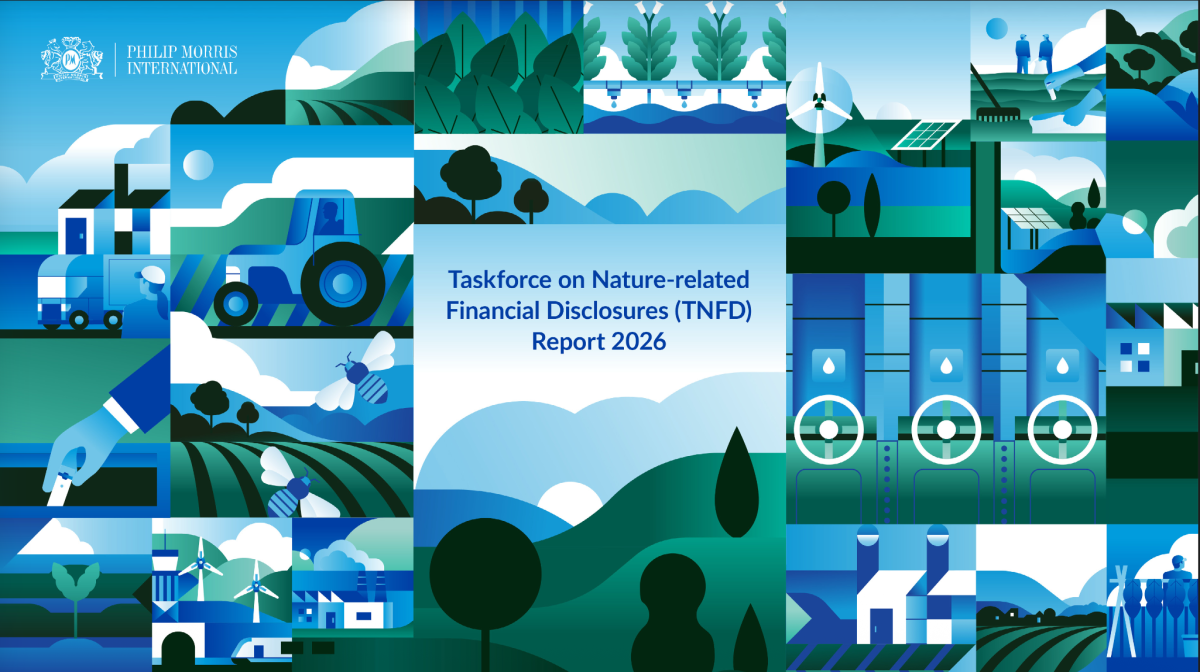
Philip Morris International has published its first report aligned with the Taskforce on Nature-related Financial Disclosures, bringing its electronics supply chain and the use and end-of-life stages of smoke-free devices and consumables into its nature-related assessment. PMI said its smoke-free business accounted for about 42% of total net revenues in the second quarter of 2026. The report says non-circular electronic products, particularly single-use items, can increase consumption of limited natural resources and also details an IQOS repair pilot. A 2040 circularity scenario tests assumptions including a 50% reduction in product waste-related costs, 10% raw-material savings and a 25% substitution rate for refurbished products versus new products.
Sep.23
Pennsylvania Vape Directory Enforcement Starts Oct. 19, Barring Retail Sales of Unlisted Products
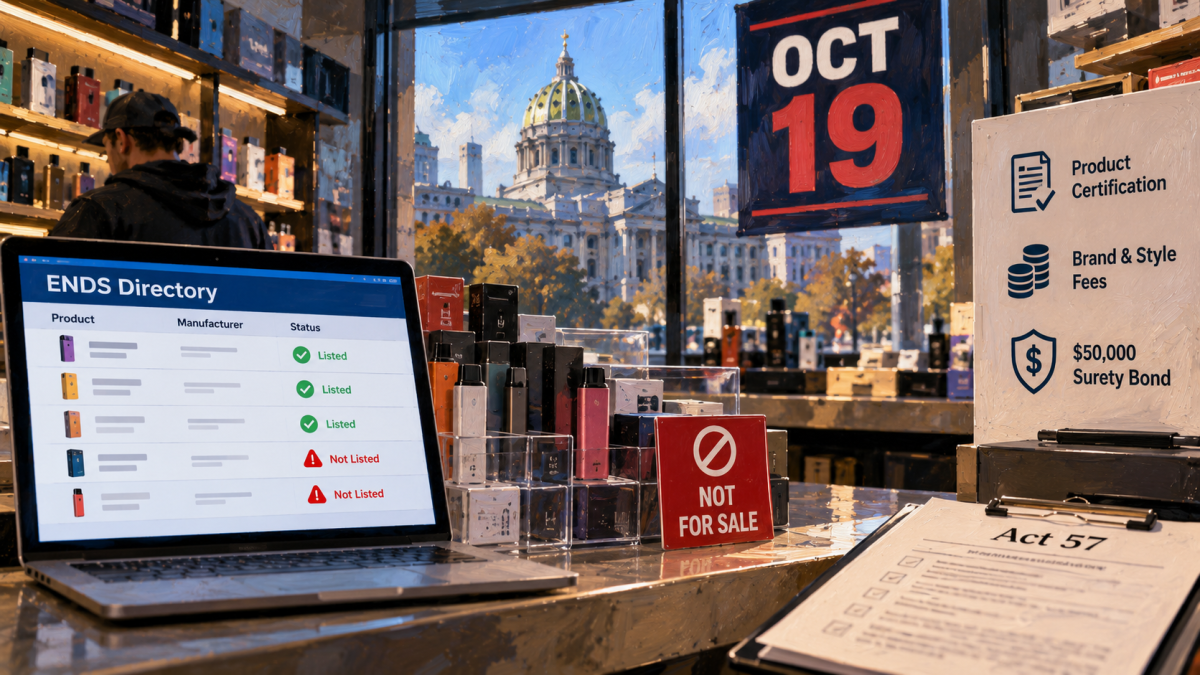
Pennsylvania's Act 57 vape directory regime will reach the end of its 120-day inventory transition period on Oct. 19. Nicotine-containing e-cigarettes intended for retail sale in the state that are not listed on the Attorney General's ENDS directory will then be barred from retail sale and treated as contraband subject to seizure, forfeiture and destruction. Manufacturers face annual product certification, brand- and style-based fees and a minimum $50,000 surety bond, while retailers and wholesalers must source through licensed channels and monitor the directory.
Regulations
Oct.08
Wisconsin Vape Directory One Year On: Retailer Reports Four Store Closures and 70% Staff Cuts
Wisconsin's electronic vaping device directory has been fully enforced for more than a year, and local vape retailers say the reduced range of eligible products has contributed to declining sales, store closures and layoffs. Johnny Vapes owner Ben Hall said he has closed four of seven locations and cut about 70% of his staff. State law bars the sale of vaping devices not listed on the Wisconsin Department of Revenue directory and allows penalties of $1,000 per day for each unlisted device sold or offered for sale. In April 2026, the U.S. Court of Appeals for the Seventh Circuit allowed enforcement of the law to continue.
Regulations
Oct.10
Special Report | Altria's NACS Booth Raises Questions Over U.S. Tobacco Advertising Warnings
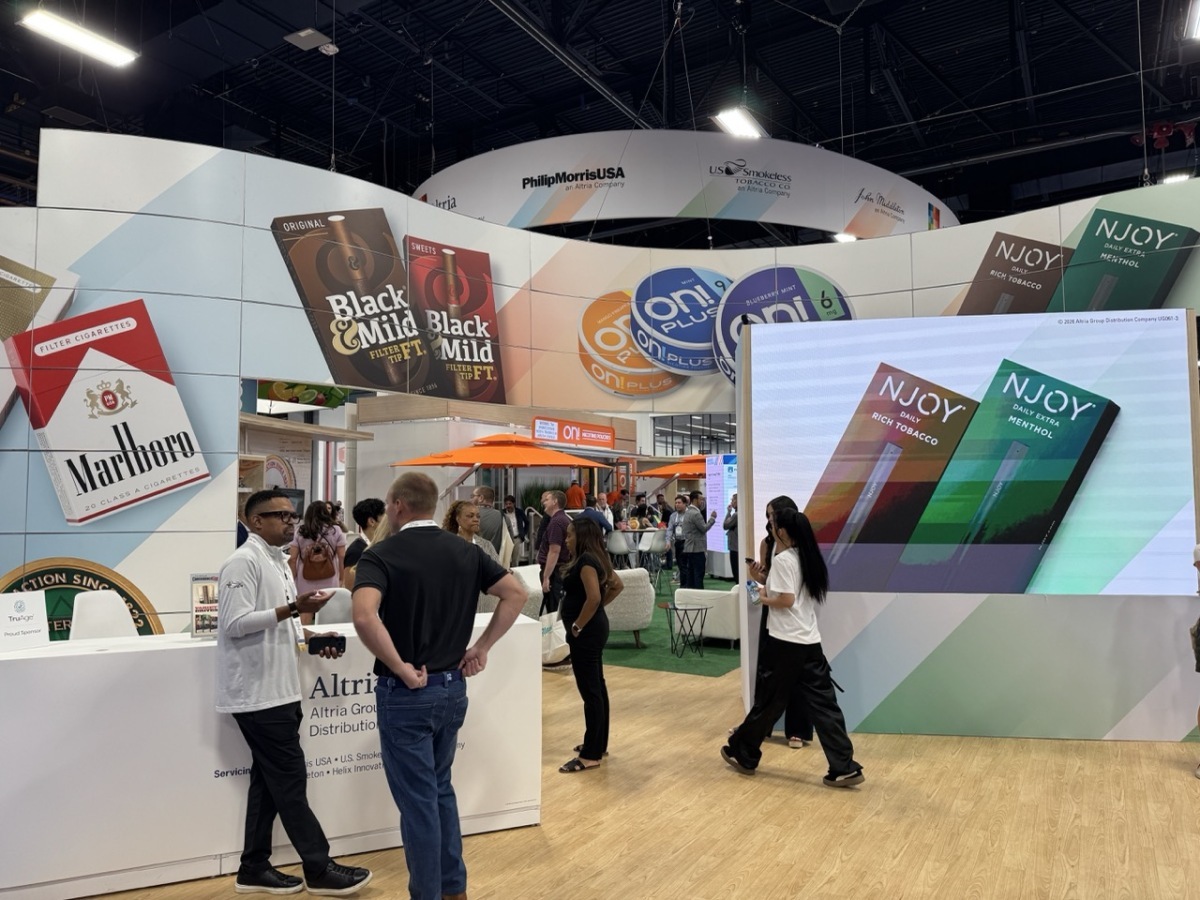
During its coverage of Altria's booth at NACS Show 2026, 2Firsts documented product displays that prompted questions about U.S. tobacco advertising warning requirements. Following public comments from a former FDA official, 2Firsts sought responses from Altria and independently consulted U.S. regulatory lawyer Azim Chowdhury. Altria maintained that its B2B communications complied with applicable laws, while Chowdhury explained that federal warning rules provide no general trade-show exemption for e-cigarettes and nicotine pouches. The special report examines the broader regulatory implications.
Nov.04
South Korea Constitutional Court Upholds Volume-Based E-Liquid Tax, With Challenged Rates at KRW 370 and KRW 628 per Milliliter
South Korea's Constitutional Court has upheld fixed taxes on nicotine-containing e-cigarette liquids based on solution volume, ruling that challenged provisions imposing KRW 370 per milliliter in individual consumption tax and KRW 628 per milliliter in tobacco consumption tax do not violate the Constitution. The cases stemmed from historical disputes involving importers that reported nicotine as being extracted from tobacco stems rather than leaves. South Korea has since broadened its tobacco definition to include synthetic nicotine, while current tax laws provide reduced rates for certain products not derived from tobacco.
Sep.18
Russia's Vape Ban Decisions Reach 17 Regions With 39 More Considering Laws, Putting Over 3,000 St. Petersburg Retail Outlets in Focus
Russia's regional vape retail restrictions are expanding. State Duma Speaker Vyacheslav Volodin said on November 7 that 17 regions had adopted decisions to ban vape sales, while another 39 were preparing or considering similar legislation. On November 12, lawmakers in Leningrad Oblast and the Republic of Karelia adopted bans scheduled to begin on March 1, 2027. A day earlier, St. Petersburg unanimously approved a five-year ban proposal in its first reading. The city has 615 specialist vape shops and more than 2,400 other retail outlets selling vaping products alongside other goods. Under Federal Law No. 186-FZ, enacted in June 2026, Russian regions may prohibit retail sales of electronic nicotine delivery systems and related liquids between March 2027 and March 2032. The legislation also restricts licensed suppliers from delivering covered products to retail premises in regions where bans apply.
Regulations
Nov.13