Yunnan Xike Technology (CIGOO) has created an innovative technology that heats tobacco without burning it, similar to heat-not-burn products.
Giving up smoking requires more than just willpower and smoking is not solely an individual issue. There are now various types of new tobacco products that serve as alternatives to traditional smoking with the aim of reducing harm (they are all non-combustible).
Just like any complex societal issue, smoking must be approached from multiple angles, with research and technological advancements being key factors. In the early 21st century, electronic cigarettes were invented and have since continued to evolve towards greater efficiency, attractiveness, and efficacy, actively changing the way nicotine consumption occurs in this new millennium.
In 2021, 82 million people worldwide have turned to vaping. This number has been reached just 18 years after the invention of the modern electronic cigarette by Han Li, the founder of the "Ruyan" device.
HNB products
In addition to e-cigarettes, nicotine pouches and Swedish snus, another group of nicotine products that are believed to reduce the risks and harms of smoking are heated tobacco products (HTP), which have already become a substitute for traditional cigarettes for 20 million people. These devices are also known for their main feature: heating without burning (HNB), meaning that tobacco is heated but not burned.
According to scientific explanations, eliminating combustion greatly reduces the production of harmful and potentially harmful chemicals. Heating tobacco to a temperature lower than that of conventional burning cigarettes, or heating nicotine liquid (like in liquid e-cigarettes), appears to be a significantly effective method for alleviating public health issues related to smoking.
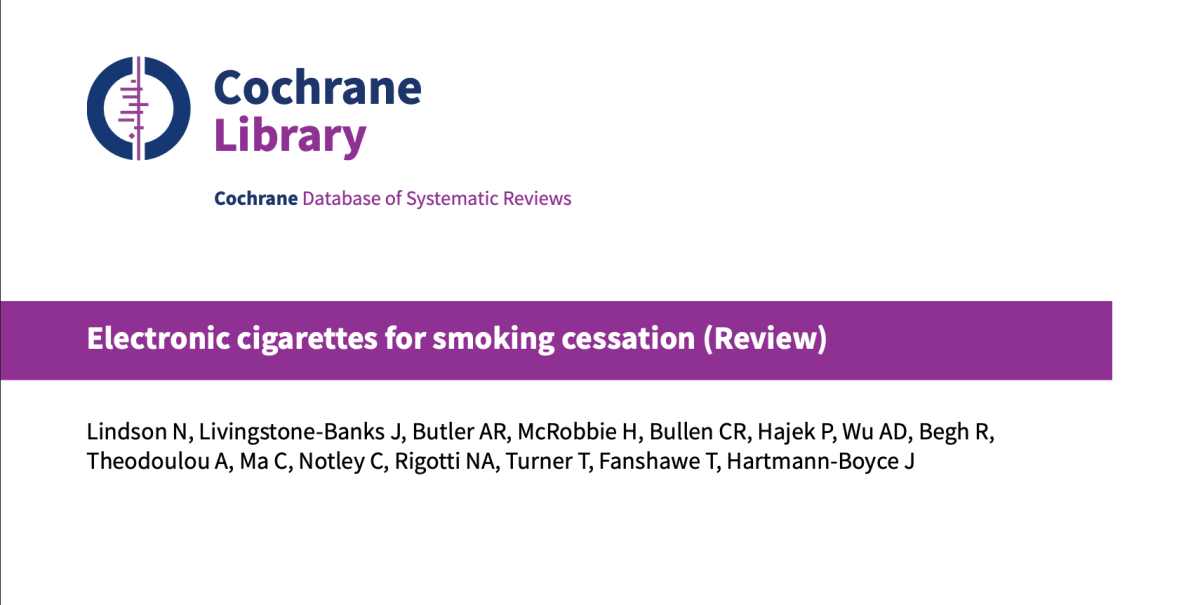
Several studies suggest that HNB has advantages over combustible cigarettes. Researchers at the Lirbasde Institute conducted an important study in 2021 and found that heated cigarette smoke had lower cell toxicity compared to cigarette smoke, although it was higher than e-cigarettes. In January of this year, a review by the Cochrane research group reiterated that the risks of heated tobacco are lower than cigarettes, except for helping smokers quit. A study commissioned by the UK Department of Health in 2017 found that people using HNB were exposed to 50% to 90% fewer "harmful and potentially harmful" compounds compared to traditional cigarettes.
Since 2020, the IQOS electronic heated tobacco product from Phillip Morris has been authorized for sale as a modified risk tobacco product (MRTP) in countries such as the United States and Uruguay. The British American Tobacco device GLO is available in 25 markets. In Japan, IQOS has played an important role in the decline of smoking, aside from HeatSticks. Between 2015 and 2019, total cigarette sales decreased by 34%, which can be attributed to the commercial introduction of HNB (heated tobacco) products. According to a report from tobacco giant Japan Tobacco International, the purchase of traditional cigarettes continued to decline in 2020, reaching 8%.
Xiketech: We use authentic Yunnan extracts and crushed coffee beans to produce our pods, which can be heated to produce a mocha flavor.
Innovation is still ongoing.
The market for HNB products continues to expand, with yet another innovation coming out of China. From the lab of Xikoo CIGOO comes the "heated herbal product" which utilizes a technology similar to heating tobacco without combustion, but with a range of functional materials.
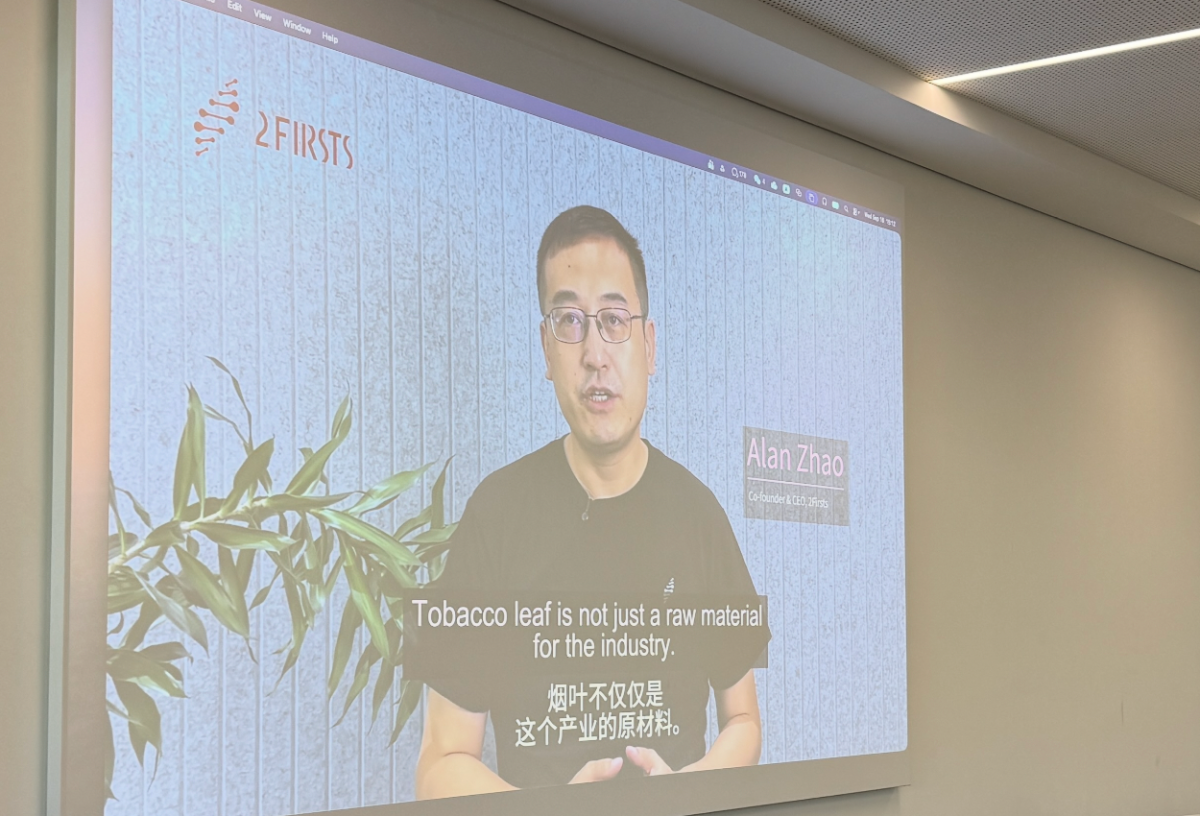
CIGOO's heated herbal products are contained in the integrated "3+Xpod" pellets instead of traditional cigarette paper packaging. The CEO of CIGOO explains that these herbal products are fully sealed on one end, which makes them more sanitary to use. "I assure you, the taste is exceptional and surprising. For example, we use original Yunnan extracts and crushed coffee beans to make our heated herbal products with a mocha flavor," he says.
What is the '3+X integrated in particle form' technology?" explained Shen Jingxuan. Essentially, this is the core patent of CIGOO's heating products. While most heating tobacco products on the market use tobacco leaves, the particles within CIGOO's herbal heating products can be made from tobacco or other materials. The structure consists of an integrated paper tube separated into four parts, with cotton filters and particles at both ends, supporting and controlling the 3D airflow temperature next to the particles. Finally, there is a very interesting segment called "X," which is a functional section where other types of particles and capsules can be placed.
Commitment to Innovation.
CIGOO is a trademark founded by Yunnan Xi Ke Technology Company in 2019. It specializes in researching and developing new types of tobacco. Just three years after its creation, CIGOO has already applied for 108 patents related to heat-not-burn technology.
CIGOO's innovative tobacco business division has been focusing on researching non-combustible heating technology since 2016. According to Shen Jingxuan, it took two years of continuous and intensive research to propose the "integrated 3+X technology in granular form" internationally for the first time. The patent was officially released at the 2018 IECIE Shanghai Electronic Cigarette Expo, breaking the monopoly of Philip Morris International, the strongest international tobacco company in HNB tobacco products.
This is a complete innovation within the industry of non-combustion heating products. "We highly prioritize the creation and improvement of technology and products. Only through continuous innovation can a company remain in a leading position for the long term.
Based on the "particle-integrated 3+X technology," CIGOO's products promise to optimize flavor, structure, and quality for a better user experience. In addition, their newly released 2021 "flavored cold-brew products" have already gained widespread recognition in the market.
Shen Jingxuan also explained what "flavorful cold-brewed products" are: "an innovative blend of heated tobacco and e-cigarettes, which combines the advantages of HNB and e-cigarette products. We have an e-cigarette device with e-cigarette oil that can be atomized below 100°C, and the pod will provide different flavors, so compared to regular e-cigarettes, this sensation is closer to that of cigarettes. Compared to other e-cigarettes, traditional smokers will find these innovative products easier to accept.
The CIGOO product line features a unique and innovative range of structures. Taking the example of the well-known HNB brand, it normally produces heated tobacco products using reconstituted tobacco leaf as its primary material. CIGOO, on the other hand, utilizes granules or herbal ingredients. Unlike traditional HNB manufacturing processes that rely on tobacco production machinery, CIGOO boasts its own in-house designed and cost-effective automated production line. Our engineers have created a production line that requires less space and is not dependent on tobacco production machinery. As previously mentioned, our structures differ from others, but we offer the same, if not better, experience. We offer a variety of flavors and can also adapt our products to suit the preferences of customers in different countries.
According to a representative from CIGOO, they will spare no effort in continuing to innovate, update their technology, and launch new products. Although it is a new company with only three years of history, it has already been recognized by the Chinese government as a high-tech company. "We are very committed to researching the field of heating without combustion. We will strictly comply with national regulatory requirements, insist on updating our technology, respect intellectual property rights, and promote the positive development of the industry.
Currently, CIGOO holds intellectual property rights in the 18 countries and regions where their HNB products are most popular. Their team of engineers and scientists has extensive experience in research and development. They have assembled a team of top talent from around the world in the tobacco industry. CIGOO is preparing to export their mature technology globally. With an exceptional team and confidence in their outstanding product, they believe they will create more and better alternatives for reducing risks and harm and improving human welfare in the future.
Statement
This article is a compilation of third-party information and is intended solely for industry exchange and learning purposes.
This article does not represent the views of 2FIRSTS and 2FIRSTS is unable to confirm the authenticity or accuracy of the content. The compilation of this article is solely for industry exchange and research purposes.
Due to limitations in translation ability, the translated article may not fully reflect the original content. Please refer to the original article for accuracy.
2FIRSTS is fully aligned with the stance and positions of the Chinese government regarding any domestic, Hong Kong, Macau, and Taiwan related matters, as well as those concerning foreign affairs.
The copyright of compiled information belongs to the original media and authors. If there is any infringement, please contact us for deletion.
Disclaimer
This article is provided solely for professional research, industry discussion, and informational purposes. Any references to brands, companies, products, technologies, or policies are made for factual reporting and analytical purposes only, and do not constitute endorsement, recommendation, promotion, or advertising by 2Firsts.
Nicotine-containing products, including but not limited to cigarettes, e-cigarettes, heated tobacco products, and nicotine pouches, carry significant health risks. Readers are responsible for complying with all applicable laws and regulations in their respective jurisdictions, including age restrictions and access limitations.
The information contained in this article should not be regarded as investment, legal, medical, regulatory, or commercial advice. While 2Firsts strives to ensure the accuracy and reliability of its content, it does not assume liability for any direct or indirect loss arising from errors, omissions, inaccuracies, or reliance on the information contained herein.
This article is not intended for individuals below the legal age for accessing tobacco or nicotine-related information in their jurisdiction.
Copyright Notice
This article is either original content produced by 2Firsts or content reproduced, translated, summarized, or adapted from third-party sources with attribution where applicable. The intellectual property rights of the original content remain with 2Firsts or the respective original rights holders.
No individual or organization may copy, reproduce, distribute, republish, modify, translate, or otherwise use this content without prior authorization. Any unauthorized use may result in legal action.
For copyright-related inquiries, corrections, or removal requests, please contact: info@2firsts.com.
AI-Assisted Translation and Editing Notice
Portions of this article may have been translated, edited, or reviewed with the assistance of artificial intelligence tools to improve efficiency and readability. Due to the limitations of AI-assisted translation and editing, discrepancies, omissions, or inaccuracies may exist when compared with the original source.
Where applicable, readers are advised to refer to the original source for the most complete and accurate information. If you identify any errors or believe that any content infringes upon your rights, please contact us at info@2firsts.com, and we will review and address the matter promptly.