Recently, the Secretariat General of the Senate of the Republic of Colombia submitted Bill No. 263 for the year 2022, which seeks to regulate the management of nicotine and non-nicotine products, and enforces other provisions.
The spokesperson for the project, Senator Gustavo Moreno Hurtado, stated that the main objective of this initiative is to regulate nicotine and non-nicotine management products and implement public policies aimed at reducing the risks and dangers associated with nicotine consumption.
By implementing public policies that are based on technology and scientific evidence, the aim is to reduce the impact of tobacco and nicotine consumption and provide consumers with enough information to eliminate or reduce the consumption of such products..." - S. Gustavo Moreno-Ulloa.
The purpose of this law is to establish a legal framework for the production and sale of nicotine and non-nicotine management products, while recognizing and protecting the rights of minors and individuals who do not consume tobacco or nicotine. It aims to reduce the impact of tobacco and nicotine consumption through the implementation of evidence-based public policies, and provide consumers with sufficient information to eliminate or reduce the consumption of such products, and/or to choose products that have minimal impact on their health in a free and informed manner," added Congressman Moreno Ultado.
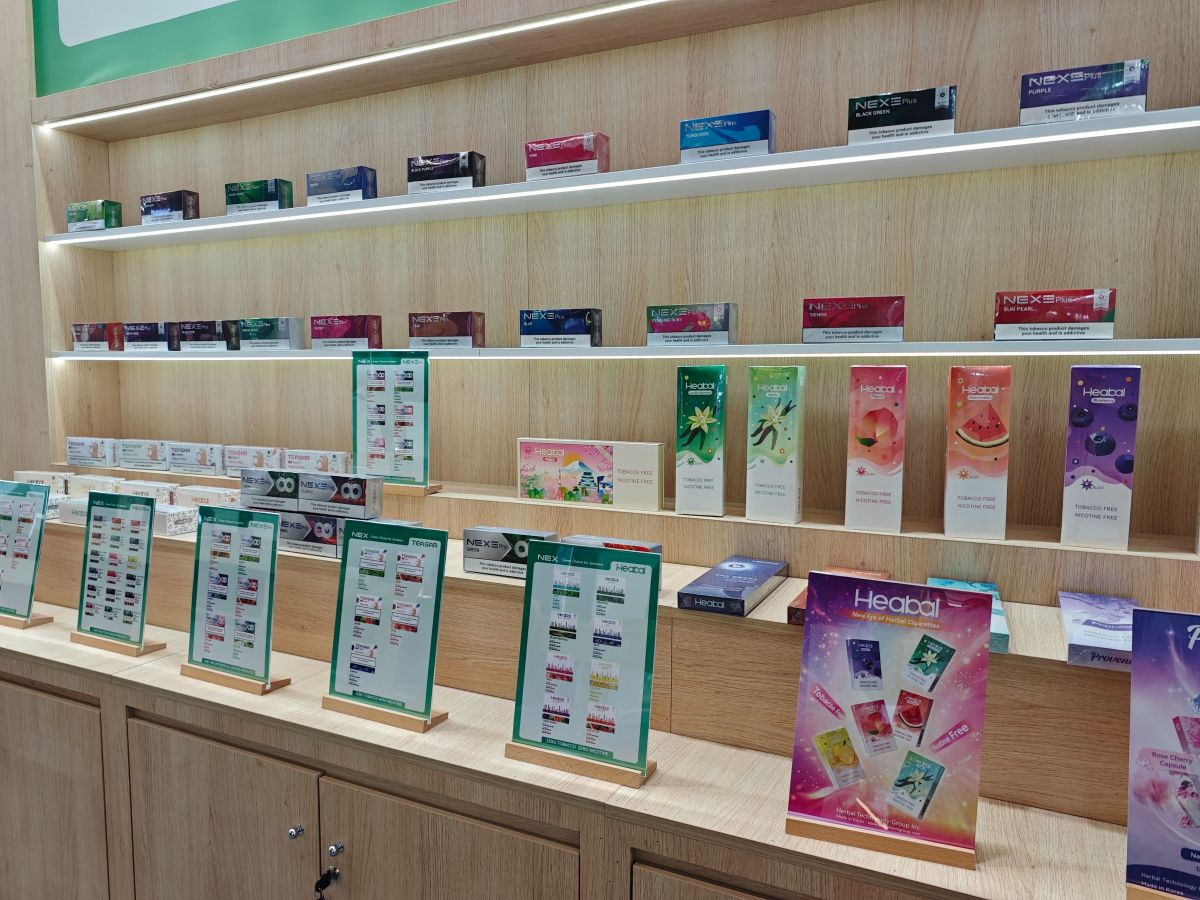
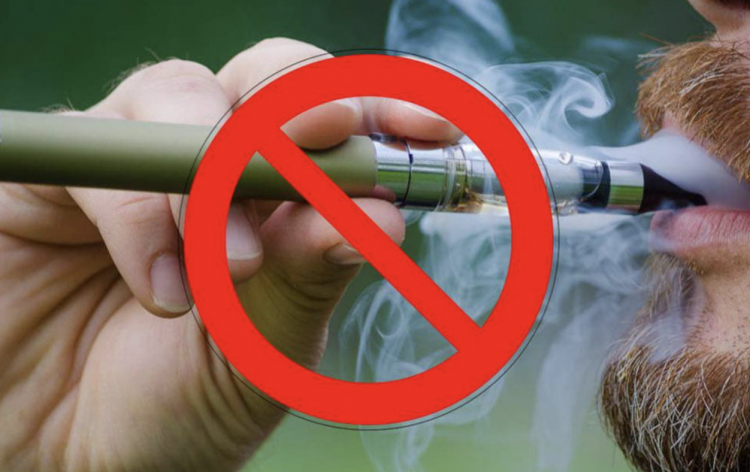
The aim of this project is to address a widespread phenomenon in the world, such as the use of e-cigarettes and tobacco heating devices. According to the World Health Organization, the number of people using e-cigarettes and tobacco heating devices has reached 48 million, while smokers number at 1.1 billion globally. The WHO states that this is a present issue in today's world.
According to this law, all devices used for the consumption of nicotine or non-nicotine products, as well as components required for the consumption of nicotine, including electronic elements, components, accessories, containers, fittings, ink cartridges, replaceable, disposable or reusable parts, and generally all parts or components necessary for operation, whether together or separately, are considered to be included in this regulation.
The two main restrictions of this project are: a ban on the use of vending machines and/or electronic dispensers equipped with management systems in places or sales points where minors have free access, and a ban on suppliers providing electronic nicotine delivery systems, or similar systems, to minors. Nicotine is not to be provided to minors.
Finally, it has been confirmed that supervisory authorities will carry out inspection, supervision and control procedures at sales points, business premises or institutions to ensure compliance with this risk and loss reduction policy. This will be supplemented by a set of political policies and regulatory actions aimed at minimizing negative consequences before, during and after the consumption of nicotine, targeting individuals of legal age who are unable or unwilling to quit its use.
Disclaimer
This article is provided solely for professional research, industry discussion, and informational purposes. Any references to brands, companies, products, technologies, or policies are made for factual reporting and analytical purposes only, and do not constitute endorsement, recommendation, promotion, or advertising by 2Firsts.
Nicotine-containing products, including but not limited to cigarettes, e-cigarettes, heated tobacco products, and nicotine pouches, carry significant health risks. Readers are responsible for complying with all applicable laws and regulations in their respective jurisdictions, including age restrictions and access limitations.
The information contained in this article should not be regarded as investment, legal, medical, regulatory, or commercial advice. While 2Firsts strives to ensure the accuracy and reliability of its content, it does not assume liability for any direct or indirect loss arising from errors, omissions, inaccuracies, or reliance on the information contained herein.
This article is not intended for individuals below the legal age for accessing tobacco or nicotine-related information in their jurisdiction.
Copyright Notice
This article is either original content produced by 2Firsts or content reproduced, translated, summarized, or adapted from third-party sources with attribution where applicable. The intellectual property rights of the original content remain with 2Firsts or the respective original rights holders.
No individual or organization may copy, reproduce, distribute, republish, modify, translate, or otherwise use this content without prior authorization. Any unauthorized use may result in legal action.
For copyright-related inquiries, corrections, or removal requests, please contact: info@2firsts.com.
AI-Assisted Translation and Editing Notice
Portions of this article may have been translated, edited, or reviewed with the assistance of artificial intelligence tools to improve efficiency and readability. Due to the limitations of AI-assisted translation and editing, discrepancies, omissions, or inaccuracies may exist when compared with the original source.
Where applicable, readers are advised to refer to the original source for the most complete and accurate information. If you identify any errors or believe that any content infringes upon your rights, please contact us at info@2firsts.com, and we will review and address the matter promptly.