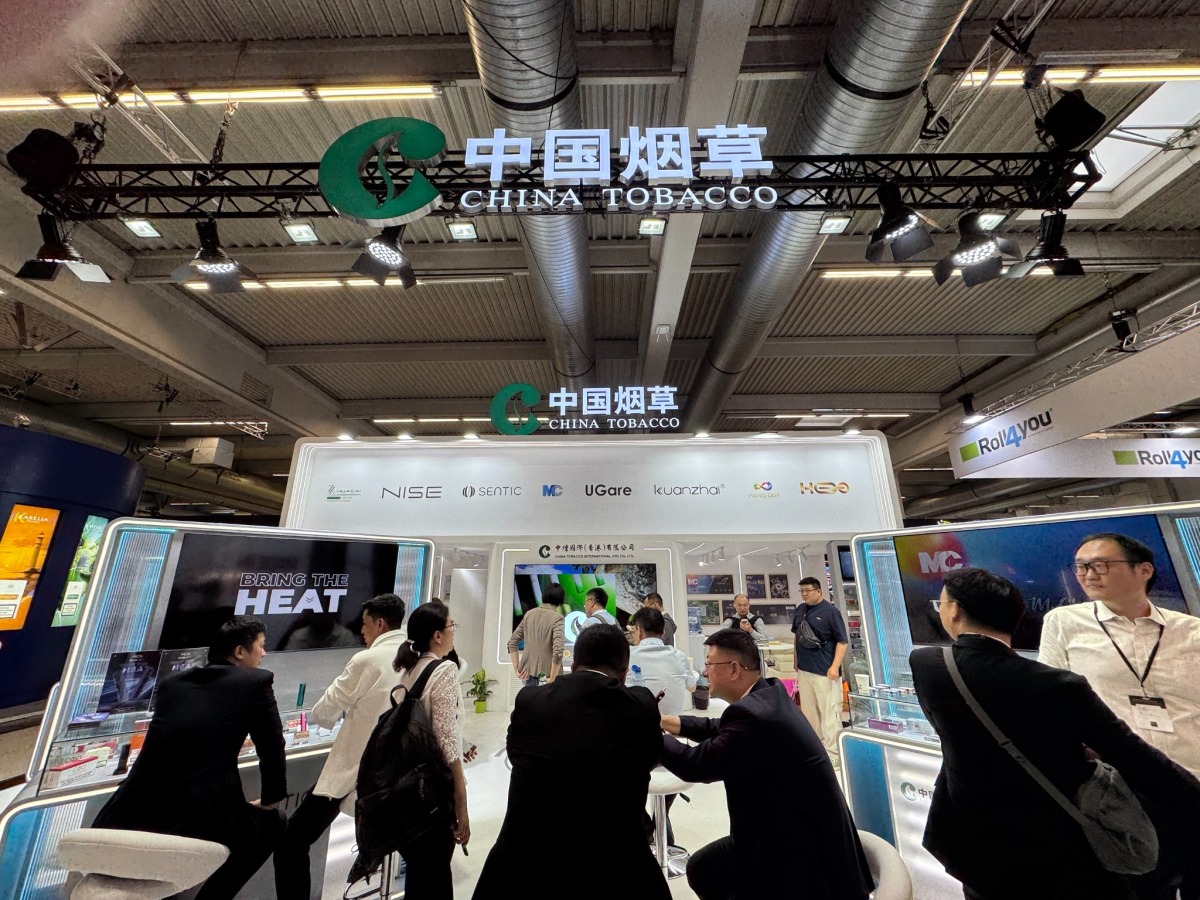
One of the main focuses at this year's Munich Security Conference was combatting the dominance of thieves and corruption, which is linked to global illicit trade. In fact, for many stakeholders in attendance, it was an urgent topic.
The movement of illegal products causes billions of dollars in losses to the global economy each year, as criminal organizations engage in cross-border trafficking of weapons, tobacco, drugs, and other illicit goods.
Since 2016, PMI IMPACT, a knowledge partner of the MSC International Security Roundtable, has been cultivating an ecosystem of public, private, and non-governmental organizations through its global grant program to combat illicit trade.
The program brings together public and private actors from around the world with the aim of reducing or preventing illegal trade and eliminating its negative impacts on individuals, families, and communities. The transnational security roundtable meeting held during the conference provided another opportunity to advance these discussions.
How PMI is addressing the issue of illicit trade?
Prior to the annual MSC conference, Gregoire Verdeaux, Senior Vice President of PMI's International Affairs, discussed why cooperation is the key factor to successfully combatting illegal trade.
Verdeaux stated, "We must continue taking measures to achieve genuine cooperation between the public and private sectors.
In an effort to revitalize effective partnerships, the company is urging the international community to work together. Verdeaux CEO, along with MSC's CEO Benedikt Franke, sat down to discuss the challenges and opportunities in combating illegal trade and supporting criminal organizations.
The Power of Collaboration: Addressing Illegal Migration Worldwide.
Verdeaux emphasized that organized crime involves the illegal trade of various commodities, including illicit tobacco. He added that we need to enact reforms so that these illegal schemes are no longer seen as "low-risk, high-reward" by criminals.
A cigarette-free future...with no illegal trade.
The key to maintaining PMI's vision for a smoke-free future is to eliminate the illegal trade of cigarettes and other tobacco products. This could disrupt the illegal flow of funds that benefits criminals and pave the way for a more sustainable future.
The company is striving to create a world without cigarettes and without illegal trade. However, it cannot achieve this alone. Everyone, from the public sector to the private sector, can play a role in helping all stakeholders achieve better outcomes.
Statement
This article is compiled from third-party information and is intended for industry professionals for educational purposes and knowledge-sharing.
This article does not represent the views of 2FIRSTS, and 2FIRSTS cannot confirm the authenticity or accuracy of the article's content. The translation of this article is intended solely for industry-related communication and research.
Due to limitations in the translation process, this article may not fully convey the exact meaning as the original text. Please refer to the original article for accuracy.
2FIRSTS maintains complete alignment with the Chinese government on all statements and positions related to domestic issues, Hong Kong, Macau, Taiwan, and international affairs.
5. The copyright of the compiled information belongs to the original media and author. If there is any infringement, please contact us for removal.
Disclaimer
This article is provided solely for professional research, industry discussion, and informational purposes. Any references to brands, companies, products, technologies, or policies are made for factual reporting and analytical purposes only, and do not constitute endorsement, recommendation, promotion, or advertising by 2Firsts.
Nicotine-containing products, including but not limited to cigarettes, e-cigarettes, heated tobacco products, and nicotine pouches, carry significant health risks. Readers are responsible for complying with all applicable laws and regulations in their respective jurisdictions, including age restrictions and access limitations.
The information contained in this article should not be regarded as investment, legal, medical, regulatory, or commercial advice. While 2Firsts strives to ensure the accuracy and reliability of its content, it does not assume liability for any direct or indirect loss arising from errors, omissions, inaccuracies, or reliance on the information contained herein.
This article is not intended for individuals below the legal age for accessing tobacco or nicotine-related information in their jurisdiction.
Copyright Notice
This article is either original content produced by 2Firsts or content reproduced, translated, summarized, or adapted from third-party sources with attribution where applicable. The intellectual property rights of the original content remain with 2Firsts or the respective original rights holders.
No individual or organization may copy, reproduce, distribute, republish, modify, translate, or otherwise use this content without prior authorization. Any unauthorized use may result in legal action.
For copyright-related inquiries, corrections, or removal requests, please contact: info@2firsts.com.
AI-Assisted Translation and Editing Notice
Portions of this article may have been translated, edited, or reviewed with the assistance of artificial intelligence tools to improve efficiency and readability. Due to the limitations of AI-assisted translation and editing, discrepancies, omissions, or inaccuracies may exist when compared with the original source.
Where applicable, readers are advised to refer to the original source for the most complete and accurate information. If you identify any errors or believe that any content infringes upon your rights, please contact us at info@2firsts.com, and we will review and address the matter promptly.