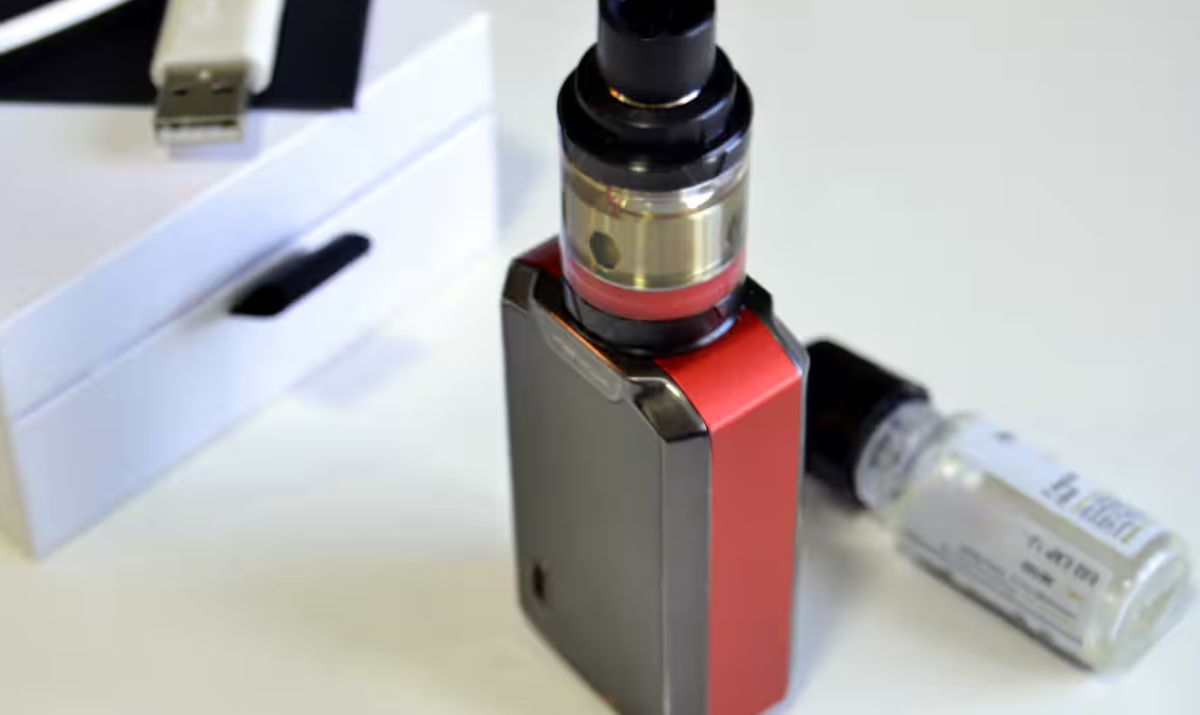
According to a report by The Guardian on June 25th, a lobbying group representing Australian pharmacy owners expressed shock at an agreement between the Green Party and the Labor Party, which would allow e-cigarettes to be sold over-the-counter in pharmacies without a prescription. The group stated that they only learned of this change through a media press release after the deal was already completed.
However, Health Minister Mark Butler downplayed concerns from the pharmacy association, stating that pharmacies are already selling e-cigarettes and assured store owners that it will be up to each individual pharmacy to decide whether or not to sell e-cigarettes under the new model.
I believe that this is a wise compromise between obtaining and implementing serious reforms to restore e-cigarettes to their original purpose as therapeutic devices.
Butler stated at a press conference in Canberra on Tuesday (25th).
The pharmacy has been selling e-cigarettes for a long time, and there have always been suggestions that they will continue to sell e-cigarettes under the government's reforms.
The vice president of the association, Anthony Tassone, claimed that they were not involved in the discussion.
We are shocked and we question why we have not been invited to participate in the discussion on this very, very important issue.
No one wants e-cigarettes to end up in the hands of children or teenagers, but this policy was rushed into place. These are not therapeutic products - we do not know the long-term effects of these products on health and safety. How can pharmacists make wise decisions about their clinical applicability? We were not consulted, consumers did not ask for it, patients did not ask for it.
But Butler said that the Australian government proposed this option last year and pointed out that the Pharmacy Guild did not submit any opinions or participate in the Senate inquiry hearings on e-cigarette regulations.
I do not acknowledge that this option has not been clearly included on the agenda for a considerable period of time.
Pharmacists across the country have always engaged in careful and professional discussions with customers about smoking cessation support. They are doing so now, as they have done for a long time. This is an additional tool for quitting smoking.
When asked if pharmacists will be forced to stock e-cigarettes, Butler stated that it will be up to individual pharmacies to decide and the government will not mandate it.
Opposition shadow health minister Anne Ruston claimed that the government's plan could lead to e-cigarette users still being exposed to the black market. The opposition believes that the issue could be addressed by expanding regulatory access.
The Pharmaceutical Society of Australia is the highest authority for practicing pharmacists, with its national president, Associate Professor Fei Sim, stating that members also support the original legislation. She expressed that the amendment "weakens the role of pharmacists as healthcare professionals.
If the amendment is passed in its current form by the Senate, it would require pharmacists to prescribe to the public unapproved, unregulated, and untested e-cigarette products. This is not in line with the health paradigm.
Steve Robson, President of the Australian Medical Association, believes that requiring pharmacists to discuss health options with purchasers is a "wise" compromise. He stated that the Australian Medical Association strongly supports plans to restrict access to pharmacies. Robson criticized the Pharmacy Guild for "complaining about helping young Australians.
The Royal Australian College of General Practitioners (RACGP) has been preparing prescription guidelines for general practitioners for the past few months, including providing them with clinical guidance on prescribing medications.
"In an ideal scenario, we would completely ban e-cigarettes," said Dr. Nicole Higgins, president of RACGP. "But in reality, we need to take them away from children.
If pharmacists want to play an increasingly important role in managing healthcare conditions, smoking cessation and nicotine withdrawal are important public health issues.
She said that general practitioners will continue to provide e-cigarette and smoking cessation support for patients in need.
Patient and disability rights advocacy organization "Better Access Australia's" Felicity McNeill is concerned that the new system will send a message to children that these unregulated and unproven products are safe medical products.
Associate Professor Emily Stockings of the Matilda Centre at the University of Sydney stated that the revised legislation is unlikely to curb the supply of drugs to children.
We welcome news tips, article submissions, interview requests, or comments on this piece.
Please contact us at info@2firsts.com, or reach out to Alan Zhao, CEO of 2Firsts, on LinkedIn
Notice
1. This article is intended solely for professional research purposes related to industry, technology, and policy. Any references to brands or products are made purely for objective description and do not constitute any form of endorsement, recommendation, or promotion by 2Firsts.
2. The use of nicotine-containing products — including, but not limited to, cigarettes, e-cigarettes, nicotine pouchand heated tobacco products — carries significant health risks. Users are responsible for complying with all applicable laws and regulations in their respective jurisdictions.
3. This article is not intended to serve as the basis for any investment decisions or financial advice. 2Firsts assumes no direct or indirect liability for any inaccuracies or errors in the content.
4. Access to this article is strictly prohibited for individuals below the legal age in their jurisdiction.
Copyright
This article is either an original work created by 2Firsts or a reproduction from third-party sources with proper attribution. All copyrights and usage rights belong to 2Firsts or the original content provider. Unauthorized reproduction, distribution, or any other form of unauthorized use by any individual or organization is strictly prohibited. Violators will be held legally accountable.
For copyright-related inquiries, please contact: info@2firsts.com
AI Assistance Disclaimer
This article may have been enhanced using AI tools to improve translation and editorial efficiency. However, due to technical limitations, inaccuracies may occur. Readers are encouraged to refer to the cited sources for the most accurate information.
We welcome any corrections or feedback. Please contact us at: info@2firsts.com