According to a report by 9 News on June 23rd, a study has found that the number of e-cigarette users in South Australia is gradually increasing.
Preventive Health SA and the SA Health and Medical Research Institute conducted a study on 3000 South Australians and found that within just one year, the number of 15 to 29-year-olds regularly using e-cigarettes has doubled, reaching over 15% of the total population.
Marina Bowshall, a health prevention official at the South Australia Health Department, stated in an interview with 9News:
We know that young people who use e-cigarettes are three times more likely to start smoking.
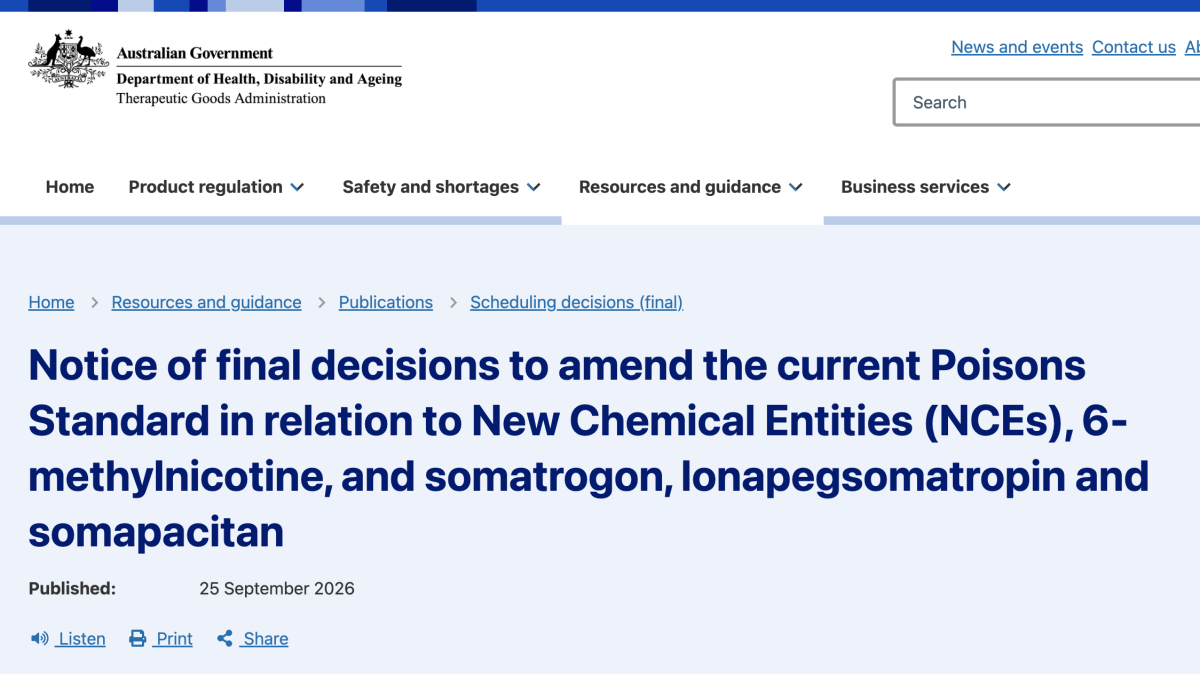
The Australian federal government and state governments are taking strong action against e-cigarettes and traditional cigarettes, including implementing comprehensive smoking bans in public areas. However, since they began enforcing the new policies, no one has yet been fined.
However, 11 illegal tobacco sellers have already been fined a total of $11,000.
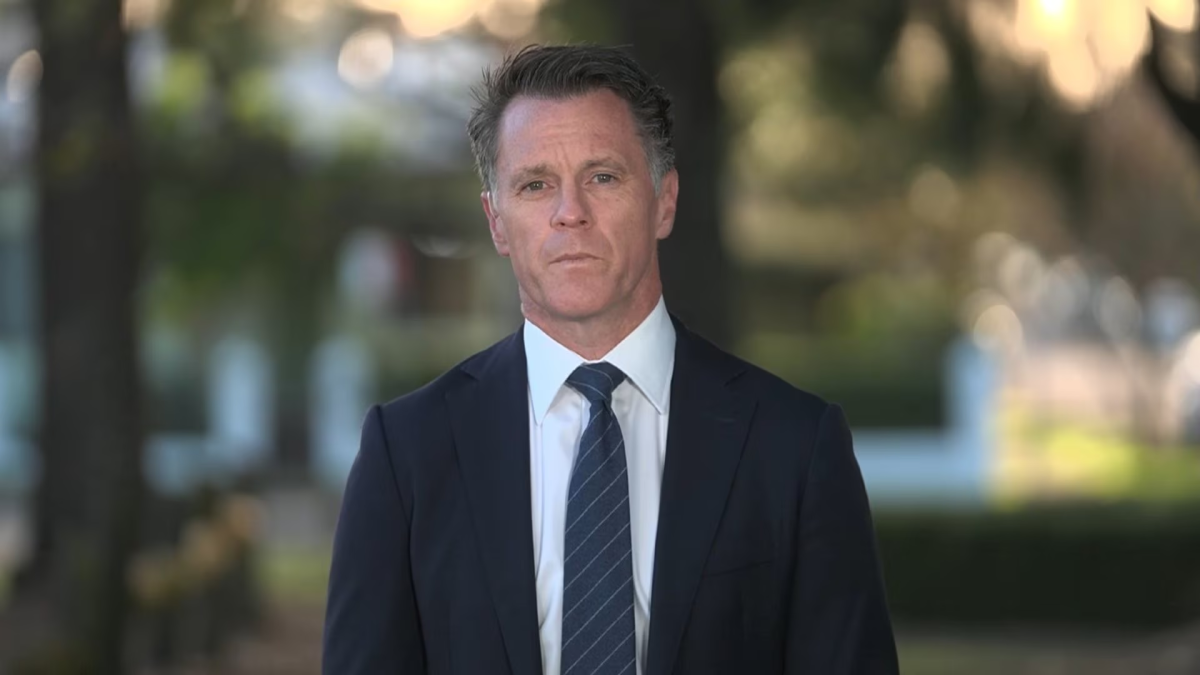
South Australia Health Minister Chris Picton said:
In regard to the frequent organized crime activities in the illegal sale of e-cigarettes and illegal sale of counterfeit cigarettes, we need to take stricter measures.
Starting from July 1st this year, the Consumer and Business Services Department will take over the task of sealing off shops selling illegal items.
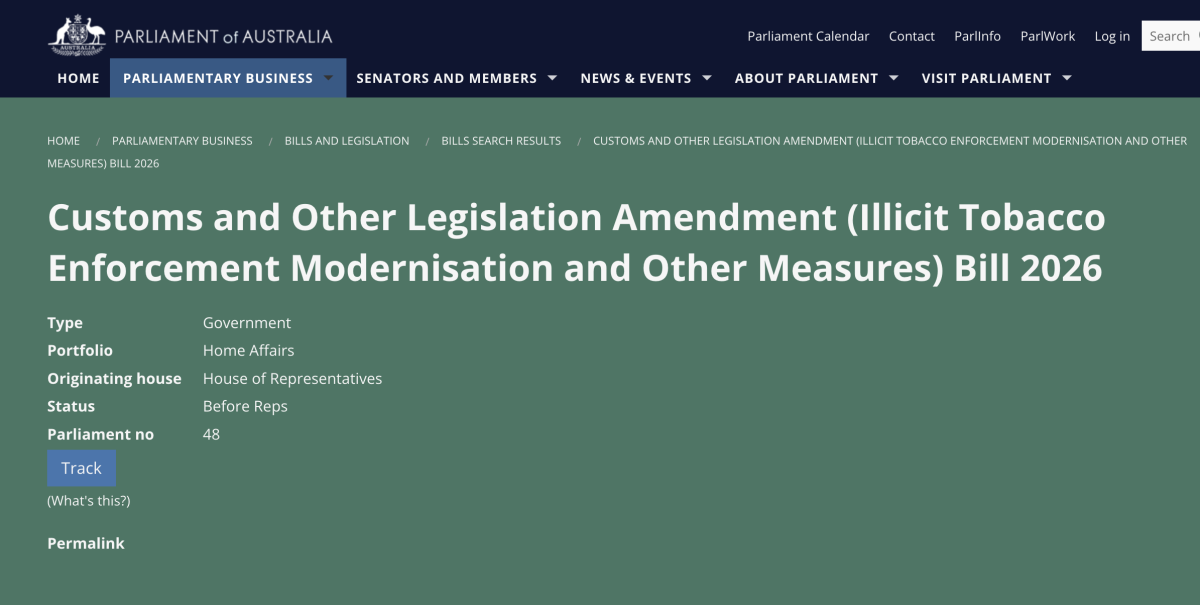
The South Australian Department of Health will retain some enforcement responsibilities, but will focus on smokers in public places, whether they are using traditional tobacco or new e-cigarettes. The department stated that they will continue to work towards reducing the smoking rate to 6% by 2027 as planned. They also hope that the federal Senate will pass legislative reforms to restrict the sale of e-cigarettes in pharmacies, making them only available by prescription.
Pickton stated, "Normally we only see this type of data adjusting by one or two percentage points, but to see it double within one year is truly unbelievable. This is clearly a reason for us to take action.
We welcome news tips, article submissions, interview requests, or comments on this piece.
Please contact us at info@2firsts.com, or reach out to Alan Zhao, CEO of 2Firsts, on LinkedIn
Notice
1. This article is intended solely for professional research purposes related to industry, technology, and policy. Any references to brands or products are made purely for objective description and do not constitute any form of endorsement, recommendation, or promotion by 2Firsts.
2. The use of nicotine-containing products — including, but not limited to, cigarettes, e-cigarettes, nicotine pouchand heated tobacco products — carries significant health risks. Users are responsible for complying with all applicable laws and regulations in their respective jurisdictions.
3. This article is not intended to serve as the basis for any investment decisions or financial advice. 2Firsts assumes no direct or indirect liability for any inaccuracies or errors in the content.
4. Access to this article is strictly prohibited for individuals below the legal age in their jurisdiction.
Copyright
This article is either an original work created by 2Firsts or a reproduction from third-party sources with proper attribution. All copyrights and usage rights belong to 2Firsts or the original content provider. Unauthorized reproduction, distribution, or any other form of unauthorized use by any individual or organization is strictly prohibited. Violators will be held legally accountable.
For copyright-related inquiries, please contact: info@2firsts.com
AI Assistance Disclaimer
This article may have been enhanced using AI tools to improve translation and editorial efficiency. However, due to technical limitations, inaccuracies may occur. Readers are encouraged to refer to the cited sources for the most accurate information.
We welcome any corrections or feedback. Please contact us at: info@2firsts.com