Key Points
• Jurisdiction: Cyprus
• Europe-wide pattern: teen smoking down, vaping up
• Europe school survey cited: about 1 in 5 16-year-olds used an e-cigarette in the past month; prevalence rose from 14% to 22% over five years
• Cyprus highlighted in ESPAD/national reporting: among higher-use countries; about 1 in 10 16-year-olds vape daily
• Health framing: nicotine exposure and dependence risks remain significant; long-term respiratory/cardiovascular impacts are not fully known, but evidence is sufficient for concern
• Marketing dynamics: “less harmful” and “quit aid” positioning, youth-appealing flavors/packaging, and lifestyle-driven social media promotion
• Policy approach advocated: information alone rarely shifts behavior; strengthen life skills, support systems, and healthy alternativ
2Firsts, Jan 28, 2026
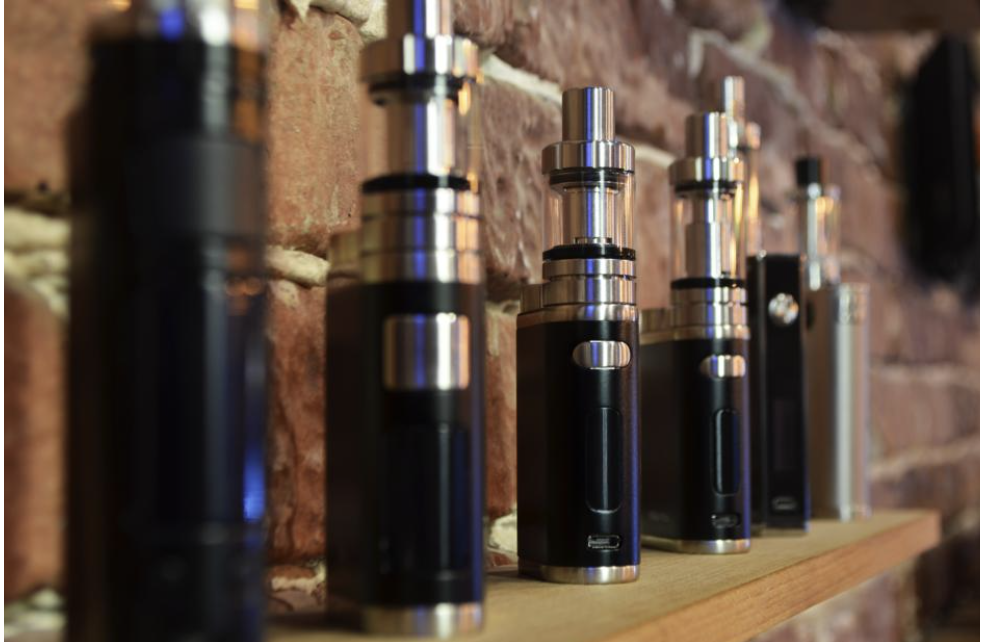
According to a signed opinion article titled “Η Κύπρος στις πρώτες θέσεις της Ευρώπης στη χρήση ηλεκτρονικών τσιγάρων από εφήβους” by Dr. Angelos Kassianos, vaping and other emerging nicotine products are becoming increasingly embedded in teenagers’ daily lives in Cyprus and across Europe.
The article argues that these products are often perceived as “safer alternatives” to traditional tobacco, sometimes partially replacing conventional cigarette use, but that perception is misleading because nicotine exposure and dependence risks remain substantial—raising serious concerns for adolescent health and development.
Citing recent European school survey findings, the article notes that while traditional teen smoking is declining, vaping is rising at an alarming pace. It points to an estimate that roughly one in five 16-year-olds used an e-cigarette in the past month, and that the share of students who vape increased from 14% to 22% in just five years.
The article says Cyprus not only follows this trend but, in some measures, stands out. Drawing on ESPAD and national reports, it places Cypriot teens among Europe’s more frequent users, with around one in ten 16-year-olds vaping on a daily basis.
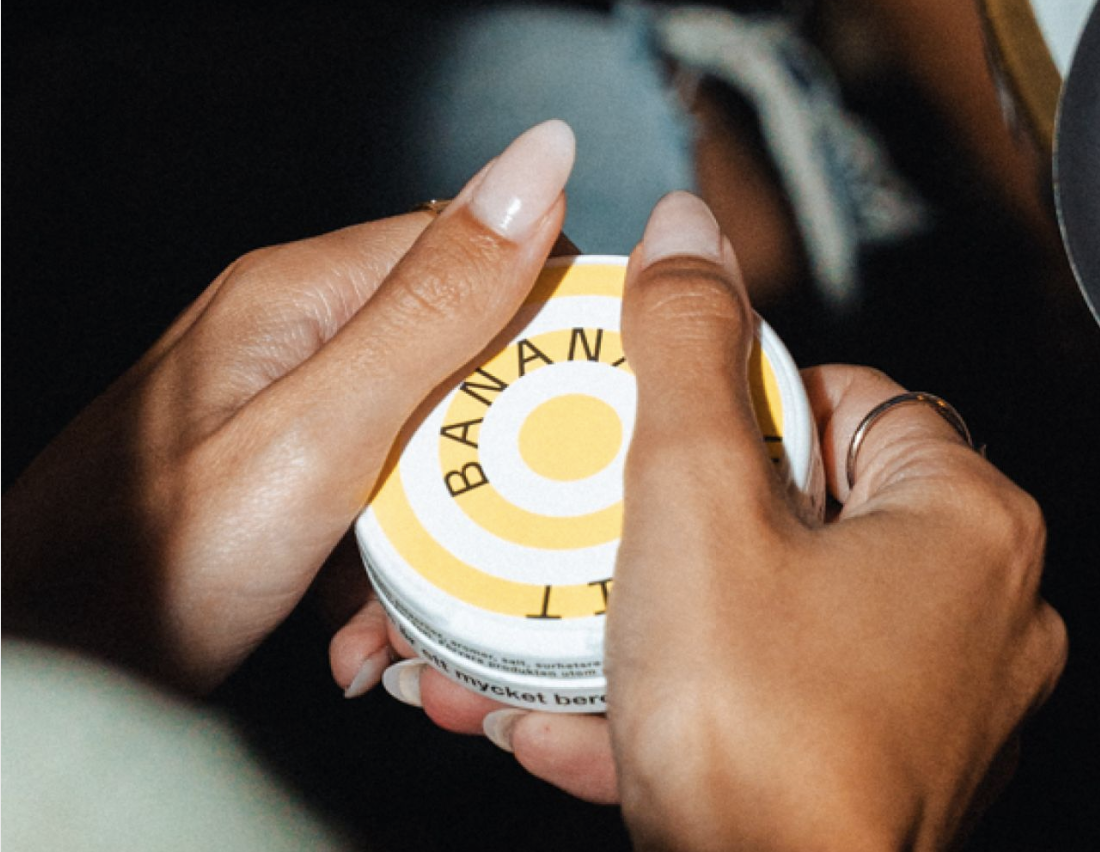
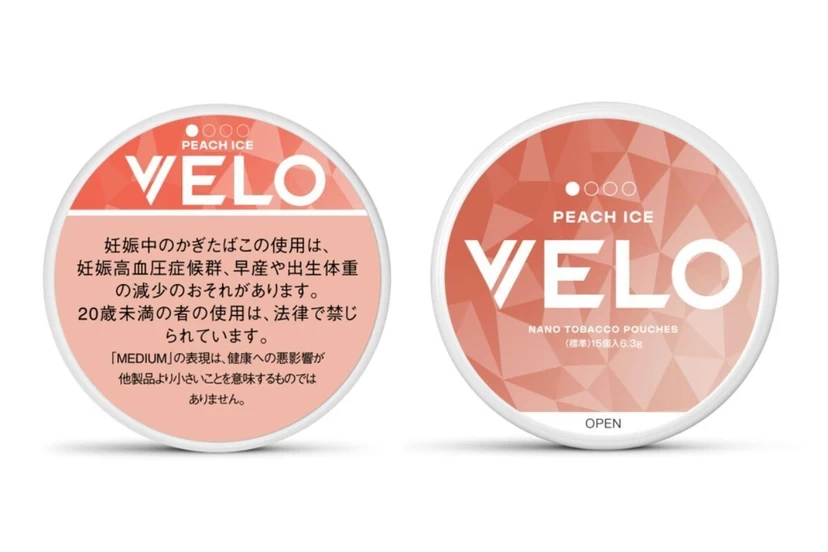
The piece links this pattern to the way vaping products are positioned and promoted: framed as “less harmful,” packaged in colorful, sweet-flavored formats that can appeal to minors, and frequently portrayed as smoking-cessation tools for adults—while marketing increasingly relies on social media, influencers, and lifestyle imagery rather than direct advertising.
On health impacts, the author argues vaping is not a harmless habit. Nicotine exposure may affect the developing brain, particularly regions tied to attention, impulse control, and mood.
The article also connects teen vaping with heightened risk of later smoking, dual use of cigarettes and e-cigarettes, and closer links with other addictive substances. It adds that long-term respiratory and cardiovascular consequences are not fully known yet, but existing evidence is enough to justify stronger preventive action.
The article emphasizes that awareness campaigns alone rarely change behavior—especially when addiction, peer pressure, and aggressive marketing intersect. Instead, it calls for strengthening life skills and meaningful support, and expanding real alternatives for teens to manage stress and express themselves through healthier channels such as sports, arts, and music.
As a reference framework, the author highlights the Icelandic Prevention Model, which combines sustained investment in youth activities, stronger family–school–community bonds, and continuous monitoring of risk and protective factors. The article argues that changing the environment around young people is a more reliable way to change outcomes than expecting individuals to change in isolation.
On Cyprus’ policy landscape, the author notes existing regulations such as age limits and restrictions on public use, but argues the available data suggests these measures are not enough.
The piece calls for a coordinated, long-term strategy involving schools, families, local authorities, health services, and the state.
Finally, the article points to the EU4Health-funded RELIEF project, which formally launched from Cyprus in January 2026, with scientific coordination by the Cyprus University of Technology (CUT/ΤΕΠΑΚ) and coordination by the Center for Social Innovation (CSI).
The project aims to develop and test evidence-based prevention interventions to reduce teen use of tobacco, e-cigarettes, and other emerging nicotine products in real school and community settings, involving students, parents, and teachers.
Image source: Ygeia
We welcome news tips, article submissions, interview requests, or comments on this piece.
Please contact us at info@2firsts.com, or reach out to Alan Zhao, CEO of 2Firsts, on LinkedIn
Notice
1. This article is intended solely for professional research purposes related to industry, technology, and policy. Any references to brands or products are made purely for objective description and do not constitute any form of endorsement, recommendation, or promotion by 2Firsts.
2. The use of nicotine-containing products — including, but not limited to, cigarettes, e-cigarettes, nicotine pouchand heated tobacco products — carries significant health risks. Users are responsible for complying with all applicable laws and regulations in their respective jurisdictions.
3. This article is not intended to serve as the basis for any investment decisions or financial advice. 2Firsts assumes no direct or indirect liability for any inaccuracies or errors in the content.
4. Access to this article is strictly prohibited for individuals below the legal age in their jurisdiction.
Copyright
This article is either an original work created by 2Firsts or a reproduction from third-party sources with proper attribution. All copyrights and usage rights belong to 2Firsts or the original content provider. Unauthorized reproduction, distribution, or any other form of unauthorized use by any individual or organization is strictly prohibited. Violators will be held legally accountable.
For copyright-related inquiries, please contact: info@2firsts.com
AI Assistance Disclaimer
This article may have been enhanced using AI tools to improve translation and editorial efficiency. However, due to technical limitations, inaccuracies may occur. Readers are encouraged to refer to the cited sources for the most accurate information.
We welcome any corrections or feedback. Please contact us at: info@2firsts.com