Decreased Compliance Rates Found in Random Retail Inspections in Guam

Regulations by 2FIRSTS.ai
Dec.08.2023
Decreased Compliance Rates Found in Random Retail Inspections in Guam
Guam conducts surprise inspections on retailers, revealing a drop in compliance rate to 94.8%, citing a rise in youth e-cigarette usage.

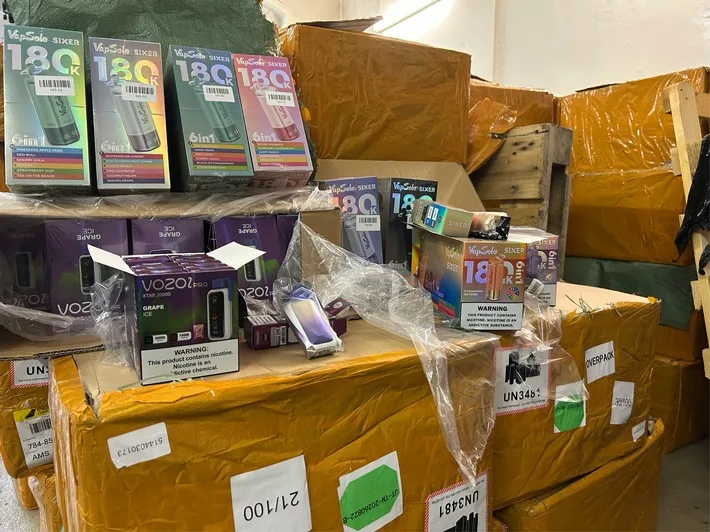
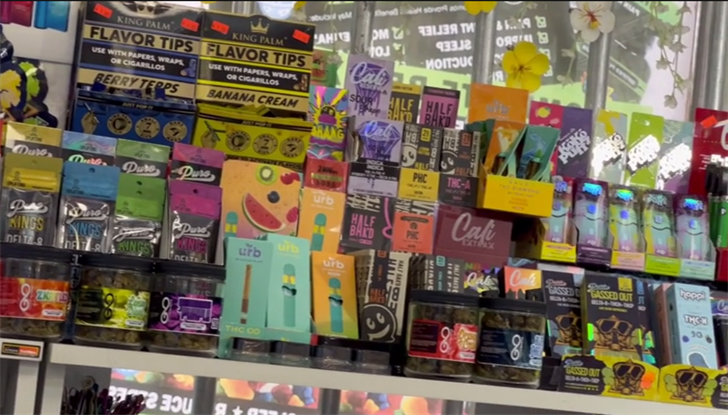
According to a report by Guam's media outlet, kuam, the Guam Behavioral Health and Welfare Center, along with the Revenue and Taxation Department, conducted random and unannounced compliance checks on retailers across the entire island. The results indicate that this year's compliance rate has decreased from 97% in the previous year to 94.8%.


According to an official report, it has been revealed that out of the 324 retail businesses registered with the income and taxation department, 13 have been found to be in violation of regulations regarding the sale of tobacco and electronic nicotine products to customers between the ages of 16 and 20.


The director of the Guam Behavioral Health and Wellness Center, Theresa Arriola, has revealed a concerning trend of increased e-cigarette usage among the island's youth.


She said, "What we need to do is ensure that retailers selling nicotine, whether it be tobacco or e-cigarettes, are aware that violating regulations could lead to heavy fines and license revocation. If word gets out that they may lose their license, it will be a major concern for them. Therefore, what needs to be done is that stores must carry out 100% identity verification, regardless of their appearance of age.


A range of fines, varying from $1,000 to $10,000, has been imposed on these violations. Officials have confirmed that a total of thirteen non-compliant shops have been penalized.


We welcome news tips, article submissions, interview requests, or comments on this piece.

Please contact us at info@2firsts.com, or reach out to Alan Zhao, CEO of 2Firsts, on LinkedIn


Notice

1.  This article is intended solely for professional research purposes related to industry, technology, and policy. Any references to brands or products are made purely for objective description and do not constitute any form of endorsement, recommendation, or promotion by 2Firsts.

2.  The use of nicotine-containing products — including, but not limited to, cigarettes, e-cigarettes, nicotine pouchand heated tobacco products — carries significant health risks. Users are responsible for complying with all applicable laws and regulations in their respective jurisdictions.

3.  This article is not intended to serve as the basis for any investment decisions or financial advice. 2Firsts assumes no direct or indirect liability for any inaccuracies or errors in the content.

4.  Access to this article is strictly prohibited for individuals below the legal age in their jurisdiction.


Copyright


This article is either an original work created by 2Firsts or a reproduction from third-party sources with proper attribution. All copyrights and usage rights belong to 2Firsts or the original content provider. Unauthorized reproduction, distribution, or any other form of unauthorized use by any individual or organization is strictly prohibited. Violators will be held legally accountable.

For copyright-related inquiries, please contact: info@2firsts.com


AI Assistance Disclaimer


This article may have been enhanced using AI tools to improve translation and editorial efficiency. However, due to technical limitations, inaccuracies may occur. Readers are encouraged to refer to the cited sources for the most accurate information.

We welcome any corrections or feedback. Please contact us at: info@2firsts.com

Bringing Tax and Insurance Into Nicotine Regulation: Insights From a Tobacco Harm-Reduction Report
A smoke-free nicotine policy report argues that tobacco harm reduction should move beyond product bans and health warnings into tax policy, insurance pricing and risk-based regulation. While some projections remain open to debate, the report highlights a wider challenge: nicotine products, technologies and consumer behavior have changed sharply over the past decade, and regulatory systems may need new tools to better align tobacco control with harm-reduction goals.
Jun.08
Jeju Health Center to Apply Conventional Tobacco Rules to Liquid E-Cigarettes From April 24
Jeju Health Center said it will apply the same regulations used for conventional tobacco products to all tobacco products, including liquid e-cigarettes, from April 24, while also strengthening public guidance and smoke-free zone management.
Apr.21 by 2FIRSTS.ai
WHO’s First Global Report on Nicotine Pouches: Harm Reduction Questions Remain Amid Global Regulatory Warning
Ahead of World No Tobacco Day 2026, WHO released its first global report on nicotine pouches, warning that rapid market growth, youth-oriented marketing and weak regulation are converging. 2Firsts views the report as an important warning, but not a complete risk assessment, with harm-reduction questions still unresolved.
Special Report
May.17
U.S. Military Nicotine Policy Sparks Debate as Nicotine Pouches Enter Discussion
An opinion article published by Stars and Stripes argued that the Pentagon’s January nicotine clinical guidelines overemphasize abstinence, fail to reflect the reality that about 30% of active-duty personnel use nicotine, and do not address nicotine pouches as potential harm-reduction products.
Industry Insight
Jun.08
From Brands to Supply Chains: 2Firsts Builds a PMTA Compliance Service System for the U.S. Market
2Firsts supports new tobacco and nicotine companies entering the U.S. market with full-chain PMTA compliance services.
Jun.04
UK Tobacco and Vapes Bill Receives Royal Assent, Banning Tobacco Sales to People Born After 2008
The UK government announced on April 29 that the Tobacco and Vapes Bill had received Royal Assent and become law. Under the new law, it is illegal to sell tobacco to anyone born on or after Jan. 1, 2009. The government said the law creates the UK’s first “smoke-free generation” and includes measures to ban the advertising and sponsorship of vapes and nicotine products, as well as powers to restrict packaging, branding and displays designed to appeal to children.
Apr.30 by 2FIRSTS.ai