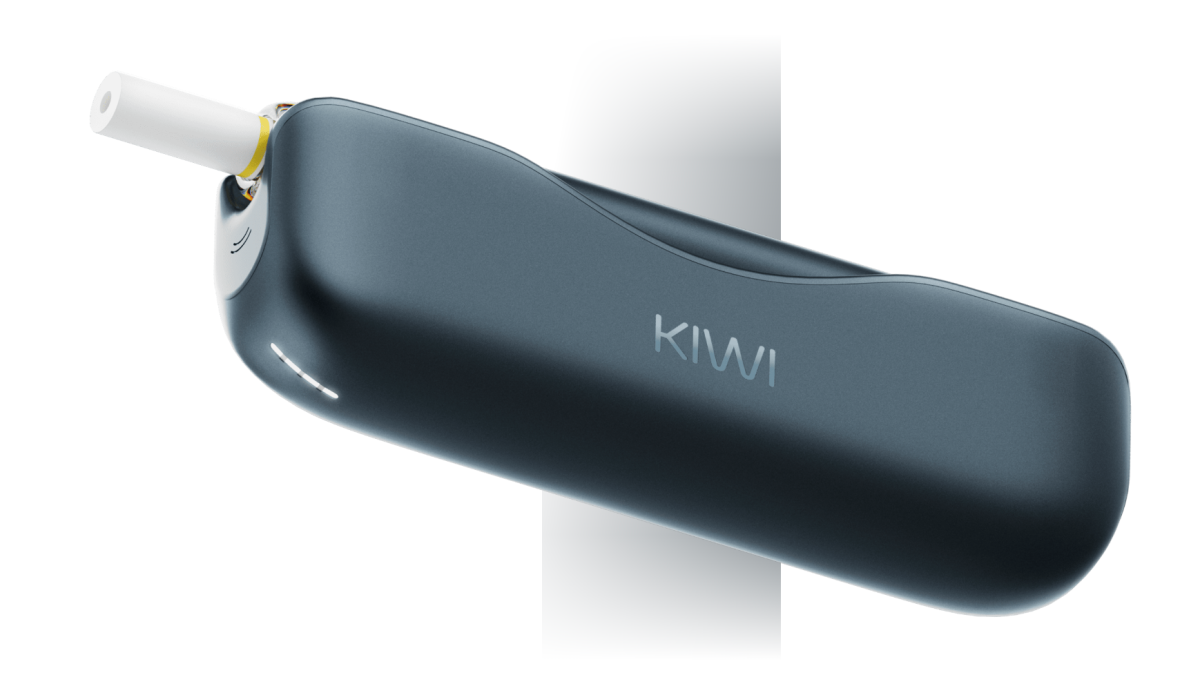
According to a new study by the European Recycling Platform (ERP), one in every ten individuals in Ireland now claims to use electronic cigarettes.
A study conducted in May surveyed approximately 1,000 adults aged 18 and over online, and found that the number of active e-cigarette users in Ireland may be close to 500,000, as one in ten respondents claimed to use an e-cigarette.
The study also found that currently 42% of vapers mistakenly believe that used e-cigarettes can be disposed of in regular trash cans.
Approximately 24% of current e-cigarette users mistakenly believe that e-cigarette waste can be disposed of in household recycling bins.
Only 23% of current consumers correctly believe that e-cigarette waste should be sent to a recycling center, while 13% believe it should be returned to the e-cigarette retailer.
An official statement from ERP indicates that approximately 66% of consumers mishandle their e-cigarettes, posing "health and safety risks while missing out on opportunities to protect and improve the environment.
According to the ERP, electronic cigarette products contain electronic components and lithium-ion batteries that require safe disposal when they become waste.
When damaged, short-circuited, or overheated, these batteries have the potential to catch fire, posing a risk to the health and safety of waste collection workers and others.
The newly emerged issue is that electronic cigarettes contain a complex mixture of key raw materials such as cobalt, nickel and manganese, which can be reused.
According to ERP, the circular economy provides us with an opportunity to consume fewer resources and extend the lifespan of resources by converting more waste into resources and keeping them within the supply chain.
Martin Tobin, CEO of ERP Ireland, has stated that electronic cigarette waste is a "new emerging problem" due to the rapidly increasing popularity of vaping in Ireland. While vaping devices contain batteries and other recyclable materials, a significant portion of users currently have misconceptions about how to properly dispose of them. To address this issue, ERP Ireland is offering free collection of these devices through their battery collection network.
The ERP battery recycling bins are located at local supermarkets or recycling centers near you. E-cigarette and vaping suppliers are also required to accept these products for recycling and must do so on a one-to-one basis.
Reference:
New research indicates that 1 in 10 adults are currently using vaping devices.
Disclaimer
This article is provided solely for professional research, industry discussion, and informational purposes. Any references to brands, companies, products, technologies, or policies are made for factual reporting and analytical purposes only, and do not constitute endorsement, recommendation, promotion, or advertising by 2Firsts.
Nicotine-containing products, including but not limited to cigarettes, e-cigarettes, heated tobacco products, and nicotine pouches, carry significant health risks. Readers are responsible for complying with all applicable laws and regulations in their respective jurisdictions, including age restrictions and access limitations.
The information contained in this article should not be regarded as investment, legal, medical, regulatory, or commercial advice. While 2Firsts strives to ensure the accuracy and reliability of its content, it does not assume liability for any direct or indirect loss arising from errors, omissions, inaccuracies, or reliance on the information contained herein.
This article is not intended for individuals below the legal age for accessing tobacco or nicotine-related information in their jurisdiction.
Copyright Notice
This article is either original content produced by 2Firsts or content reproduced, translated, summarized, or adapted from third-party sources with attribution where applicable. The intellectual property rights of the original content remain with 2Firsts or the respective original rights holders.
No individual or organization may copy, reproduce, distribute, republish, modify, translate, or otherwise use this content without prior authorization. Any unauthorized use may result in legal action.
For copyright-related inquiries, corrections, or removal requests, please contact: info@2firsts.com.
AI-Assisted Translation and Editing Notice
Portions of this article may have been translated, edited, or reviewed with the assistance of artificial intelligence tools to improve efficiency and readability. Due to the limitations of AI-assisted translation and editing, discrepancies, omissions, or inaccuracies may exist when compared with the original source.
Where applicable, readers are advised to refer to the original source for the most complete and accurate information. If you identify any errors or believe that any content infringes upon your rights, please contact us at info@2firsts.com, and we will review and address the matter promptly.