Dutch Authorities Seize 8 Million Illegal Tobacco Products

Jul.12.2024
Dutch Authorities Seize 8 Million Illegal Tobacco Products
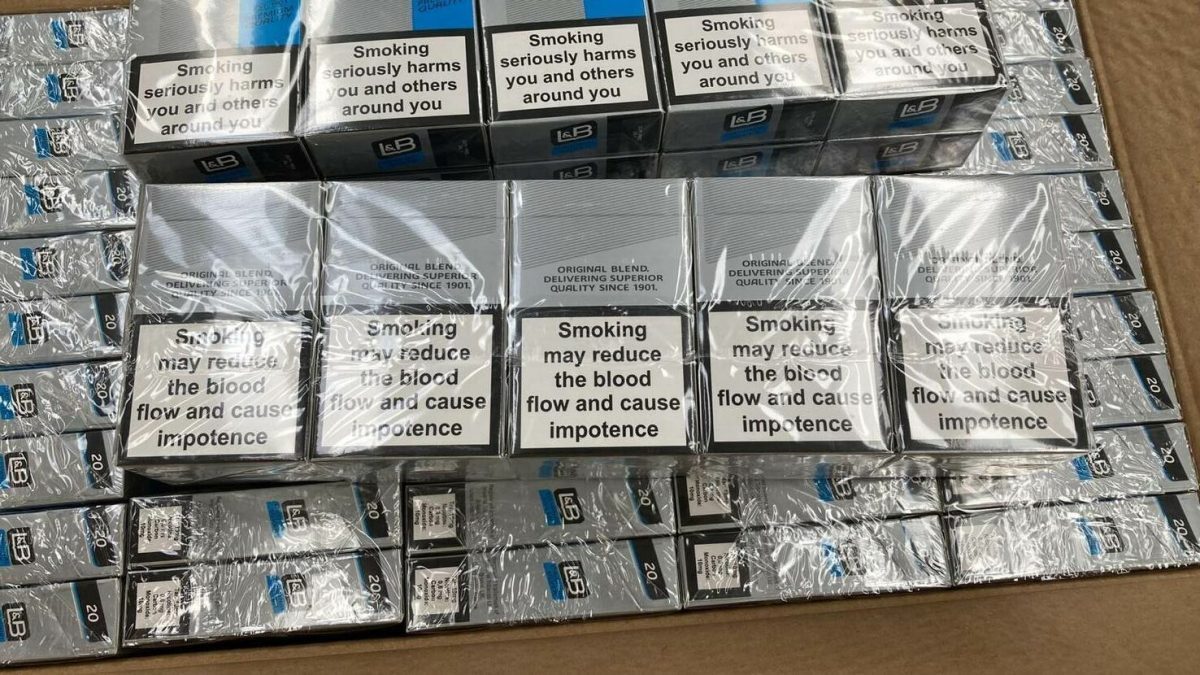
Customs officials in Noord-Brabant, Netherlands seized 8 million illegal cigarettes hidden in a warehouse, leading to arrests and tax losses.

According to Dutch News, on July 12, customs officials successfully seized 8 million illegal cigarettes in a warehouse in Someren, North Brabant, Netherlands. The cigarettes were found stored on 22 pallets without tax stamps, indicating potential tax evasion. If these untaxed cigarettes were to enter the market, it is estimated that the Dutch Ministry of Finance could lose approximately 3.6 million euros in customs revenue.


In this operation, two suspects have been arrested, including a 45-year-old Polish citizen and a 47-year-old resident of Heerhugowaard. This seizure is part of the government's efforts to strengthen tobacco control measures. Previously, the Dutch government has raised tobacco taxes to curb smoking behavior. Earlier this year, the price of a pack of 20 cigarettes rose by nearly 1 euro to 11.10 euros.


Although raising tobacco taxes helps encourage quitting smoking, a study released last month by the Ministry of Finance and the Ministry of Health shows that smuggling activities are also increasing accordingly. Researchers collect and analyze discarded cigarette packs through biennial surveys to monitor smokers' behavior patterns.


According to a survey conducted in 2021, 15% of empty cigarette packs contain tobacco on which Dutch tobacco tax has not been paid. However, this figure increased to 25% last year. While nearly 19% of tobacco is purchased from other countries, 4% consists of counterfeit or smuggled tobacco, a significant increase compared to 1% two years ago.


A study by the Dutch National Institute for Public Health and the Environment (RIVM) has revealed that approximately 10% of tobacco consumption by smokers in the Netherlands is sourced from abroad, either through personal imports or through purchases made by others. These findings highlight the potential threat of tobacco smuggling to public finances and public health, and underscore the challenges faced by the government in combating illegal tobacco trade.


We welcome news tips, article submissions, interview requests, or comments on this piece.

Please contact us at info@2firsts.com, or reach out to Alan Zhao, CEO of 2Firsts, on LinkedIn


Notice

1.  This article is intended solely for professional research purposes related to industry, technology, and policy. Any references to brands or products are made purely for objective description and do not constitute any form of endorsement, recommendation, or promotion by 2Firsts.

2.  The use of nicotine-containing products — including, but not limited to, cigarettes, e-cigarettes, nicotine pouchand heated tobacco products — carries significant health risks. Users are responsible for complying with all applicable laws and regulations in their respective jurisdictions.

3.  This article is not intended to serve as the basis for any investment decisions or financial advice. 2Firsts assumes no direct or indirect liability for any inaccuracies or errors in the content.

4.  Access to this article is strictly prohibited for individuals below the legal age in their jurisdiction.


Copyright


This article is either an original work created by 2Firsts or a reproduction from third-party sources with proper attribution. All copyrights and usage rights belong to 2Firsts or the original content provider. Unauthorized reproduction, distribution, or any other form of unauthorized use by any individual or organization is strictly prohibited. Violators will be held legally accountable.

For copyright-related inquiries, please contact: info@2firsts.com


AI Assistance Disclaimer


This article may have been enhanced using AI tools to improve translation and editorial efficiency. However, due to technical limitations, inaccuracies may occur. Readers are encouraged to refer to the cited sources for the most accurate information.

We welcome any corrections or feedback. Please contact us at: info@2firsts.com

PMI U.S. White Paper Calls for Greater Access to FDA-Authorized Smoke-Free Alternatives and Risk-Based Taxation
PMI’s U.S. business released a white paper and cited a national online survey showing that 79.00% of Americans surveyed believe more should be done to reduce smoking-related harm. The paper calls on policymakers, public health authorities, and medical professionals to place cigarette smoking back at the center of public health priorities, and recommends broader access to FDA-authorized smoke-free alternatives, clearer nicotine risk communication, and risk-based taxation.
Apr.15 by 2FIRSTS.ai
Swedish Politicians Ask European Commission to Clarify Legality of France’s Nicotine Pouch Ban
France’s ban on oral nicotine pouches has triggered an immediate response in Sweden. Swedish Minister for Foreign Trade Benjamin Dousa said Sweden had mobilized strongly against the ban and argued that it constitutes a clear obstacle to the free movement of goods within the EU single market. Swedish officials say the measure affects a strategically important domestic industry and conflicts with Sweden’s harm-reduction approach to public health.
Apr.14 by 2FIRSTS.ai
FDA Adds 18 Tobacco Harmful Constituents and Seeks Comment on 3 More
U.S. Food and Drug Administration published a Federal Register notice finalizing the addition of 18 constituents to the established list of Harmful and Potentially Harmful Constituents in tobacco products. With the update, the list now contains 111 constituents. FDA also proposed adding three more constituents to the list and opened a public comment period ending at 11:59 p.m. ET on May 26, 2026.
Apr.24 by 2FIRSTS.ai
Special Report | Russian Vape Compromise Faces First Hurdles
Russia’s regional vape-ban model is facing early legal and political tests, as Perm Krai moves ahead before federal legislation is fully adopted. The case highlights uncertainty over regional authority, concerns from business groups about market fragmentation, and the risk that pressure against regional bans could revive calls for a stricter nationwide prohibition.
Industry Insight
May.28
UK Tobacco and Vapes Bill Receives Royal Assent, Banning Tobacco Sales to People Born After 2008
The UK government announced on April 29 that the Tobacco and Vapes Bill had received Royal Assent and become law. Under the new law, it is illegal to sell tobacco to anyone born on or after Jan. 1, 2009. The government said the law creates the UK’s first “smoke-free generation” and includes measures to ban the advertising and sponsorship of vapes and nicotine products, as well as powers to restrict packaging, branding and displays designed to appeal to children.
Apr.30 by 2FIRSTS.ai
Acting CTP Director Says FDA Cut Premarket Tobacco Application Backlog by About 70% Over the Past Year
FDA Center for Tobacco Products Acting Director Bret Koplow said at the American Tobacco and Nicotine Forum that the agency has reduced its premarket tobacco application backlog by about 70% over the past year and eliminated the acceptance queue. He said FDA has reviewed about 27 million applications, but only a small number have been authorized, mainly because most submissions lacked the scientific data needed to demonstrate public health benefits.
Apr.23 by 2FIRSTS.ai