E-cigarette shops in Wisconsin, USA, see sales drop due to new regulations

Sep.08.2025
E-cigarette shops in Wisconsin, USA, see sales drop due to new regulations
Wisconsin's new vape regulations have led to a significant drop in sales and stock for vape shops. The law, which bans most vape products, has forced businesses to remove 80% of their stock. Many top sellers are now off-limits, and some customers are traveling out of state to find the products they want. Despite losing a lawsuit against the Department of Revenue, WiscoFAST continues to fight the regulations, arguing that they unfairly target small businesses.

Key Points:


·Regulation Impact: New vape regulations in Wisconsin have led to an 80% reduction in stock for some stores and sales drops of up to 80%.

·Business Struggles: Many vape shops are struggling as top-selling products are now banned, forcing some customers to seek alternatives out of state.

·Industry Response: WiscoFAST, a trade group representing vape shop owners, lost a lawsuit against the Department of Revenue but continues to advocate for changes to the regulations.


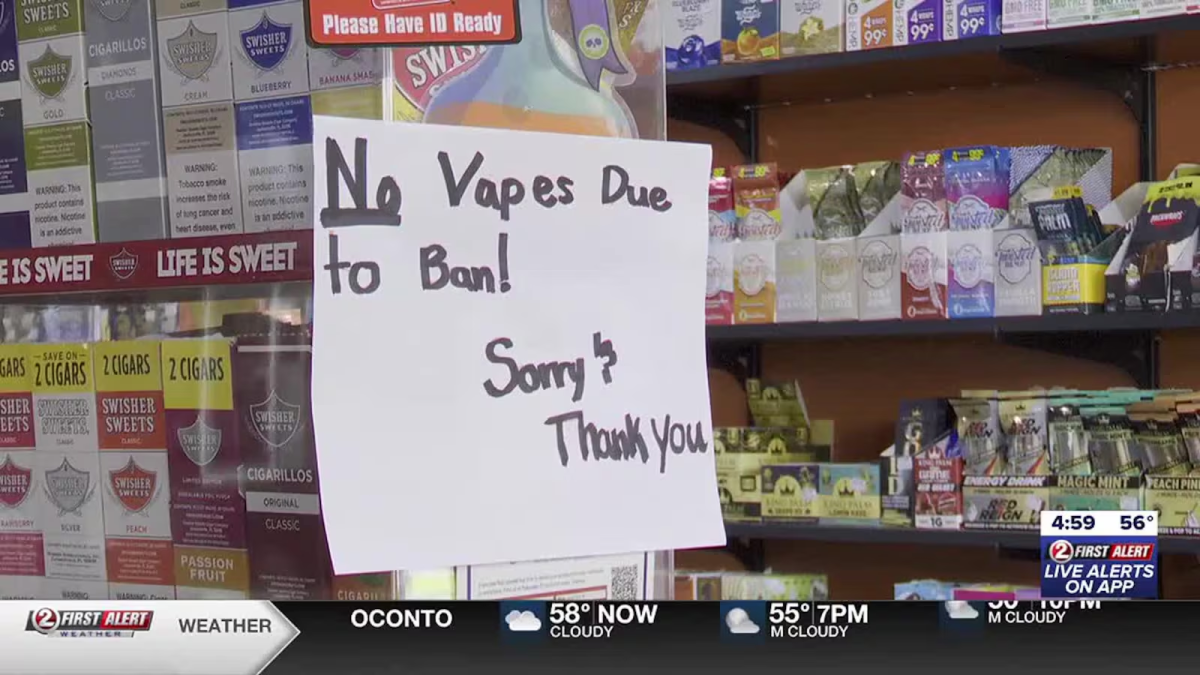
2Firsts, September 8th - according to wmtv15news reported in September 6th, Wisconsin trade group WiscoFAST has lost its lawsuit against the Department of Revenue over new vape product regulations. The law, which just took effect, bans most vape products, forcing business owners to remove 80% of their stock and face potential fines. Many vape shops have seen sales drop by up to 80%.


Holy Smokes Vape Shop in Green Bay has experienced a significant drop in sales as customers are unhappy with the ban. Many top-selling products are now off-limits due to the statewide ban, which vape shop owners say could reshape their entire business. Some customers are traveling out of state to find the products they want.


Despite losing the lawsuit, WiscoFAST’s president, Tyler Hall, says the ban is hurting both consumers and business owners. He is urging lawmakers to reconsider the regulations, which he believes unfairly target small businesses. Hall emphasizes that the vape industry was built by small businesses and should not be overshadowed by big tobacco companies.


 

2FIRSTS EXCLUSIVE|China Breaks Up $6.8 Million Illegal Hookah Tobacco Operation as Market Expands
Chinese authorities have dismantled an illegal hookah tobacco operation worth more than 46 million yuan ($6.8 million), detaining five foreign suspects and seizing over 500,000 boxes of tobacco paste. The case comes as hookah expands across China’s nightlife sector and attracts overseas operators, including former vaping entrepreneurs. It also raises a central regulatory question: whether waterpipe tobacco will follow China’s private-sector e-cigarette licensing model or be reserved for the state tobacco system, as with nicotine pouches, in the years ahead.
Jul.31
Germany Plans Tobacco Tax Hike, With Cigarette Prices Nearing €12 Per Pack by 2030
Germany plans to raise tobacco taxes over the coming years, potentially pushing the average price of a 20-cigarette pack to about €11.78 by 2030. The proposal also covers fine-cut tobacco, cigars, pipe tobacco and e-cigarette liquids.
Jul.14
WIRED Investigation: Chinese-Made Vapes Turn to 6-Methyl-Nicotine and Other Analogs, Challenging U.S. Regulation
U.S. technology and investigative publication WIRED has examined how nicotine analogs are emerging as a new challenge for the country’s vape regulatory framework. The article argues that after the U.S. expanded federal oversight of nicotine products in 2022, some manufacturers began using nicotine-like compounds such as 6-methyl-nicotine that may fall outside existing definitions. Researchers cited by WIRED said some nicotine analogs could be more potent than traditional nicotine, although human health impacts remain unclear. U.S. policymakers are considering broader definitions of nicotine to bring these compounds under federal oversight.
Jul.27
UAE Sets Dh1-Per-ml Minimum Excise Price for Vape Liquids From Sept. 1 While Keeping 100% Tax Rate
The UAE Ministry of Finance will introduce a minimum excise price for e-liquids used in vaping and electronic smoking devices from September 1, 2026. The minimum excise price will be set at AED 1 per millilitre. The existing 100% excise tax rate will continue to apply to tobacco and electronic smoking products. The measure changes the minimum taxable base rather than the tax rate, with the UAE government saying it aims to establish unified tax standards, improve market compliance and prevent pricing loopholes.
Regulations
Aug.07 by 2Firsts Perspectives
South Korea Rejects 16 Trillion Won Tax-Evasion Claim Over Chinese Synthetic Nicotine
The South Korean government rejected allegations that Chinese synthetic-nicotine e-liquids were linked to about 16 trillion won in tobacco tax evasion, saying China does not ban synthetic nicotine exports and the estimate is difficult to verify, while acknowledging that pre-law synthetic-nicotine inventory is effectively difficult to tax.
Market
Jun.25
FDA Foreign Tobacco Registration Proposal Could Strengthen ENDS Import Oversight, Azim Chowdhury Says
FDA’s proposed rule requiring foreign tobacco manufacturers to register establishments and list products is more than routine paperwork, Keller and Heckman LLP partner Azim Chowdhury told 2Firsts. He said it could strengthen FDA’s import enforcement, inspections and market surveillance. Chinese e-cigarette OEM/ODM manufacturers, specification developers, brand owners and component suppliers may need to review their roles, product data and U.S. market authorization status.
Special Report
Jun.29