On June 21st, the Food and Drug Administration (FDA) in the United States approved the sale of four e-cigarette products through the Premarket Tobacco Product Application (PMTA) pathway. The FDA issued marketing authorization to NJOY LLC for four menthol e-cigarette products – NJOY ACE Pod Menthol 2.4%, NJOY ACE Pod Menthol 5%, NJOY DAILY Menthol 4.5%, and NJOY DAILY EXTRA Menthol 6%.
It is worth noting that NJOY is one of the largest e-cigarette manufacturers in the United States and was acquired by tobacco giant Altria Group, the producer of Marlboro brand cigarettes, for approximately $2.75 billion in 2023.
The FDA announced that two authorized ACE products are sealed, pre-filled, non-refillable pods designed to be used with previously authorized ACE devices. Additionally, two authorized DAILY products are disposable e-cigarettes with pre-filled, non-refillable electronic liquid (e-liquid) reservoirs.
This authorization marks the FDA's first approval of a non-tobacco flavored e-cigarette product. It is important to note that each application is reviewed on a case-by-case basis, and today's action only applies to these four products - the authorization does not apply to any other menthol-flavored e-cigarette products. In order to legally sell new tobacco products in the United States, companies must receive a written marketing order from the FDA. While this action allows these specific tobacco products to be legally sold in the United States, it does not mean that these tobacco products are safe, nor does it mean that they are "FDA approved." All tobacco products are harmful and can be addictive. Those who do not use tobacco products should not start using them.
Dr. Brian King, director of the FDA Center for Tobacco Products, stated:
Applicants are responsible for providing evidence necessary to obtain marketing authorization, as outlined by the FDA. This move further demonstrates that e-cigarette products can be authorized as long as sufficient scientific evidence is submitted to the agency.
According to public health standards, the FDA evaluated PMTAs, considering factors such as the risks and benefits of the products to the entire population. After reviewing the company's application, the FDA determined that there was enough evidence to show that allowing the sale of these products is appropriate for protecting public health, as required by the 2009 Family Smoking Prevention and Tobacco Control Act. Specifically, the evidence submitted by the applicant showed that these menthol-flavored products provided benefits for adult smokers compared to the tobacco-flavored products previously approved by the applicant, enough to offset the risks of the products, including their appeal to youth.
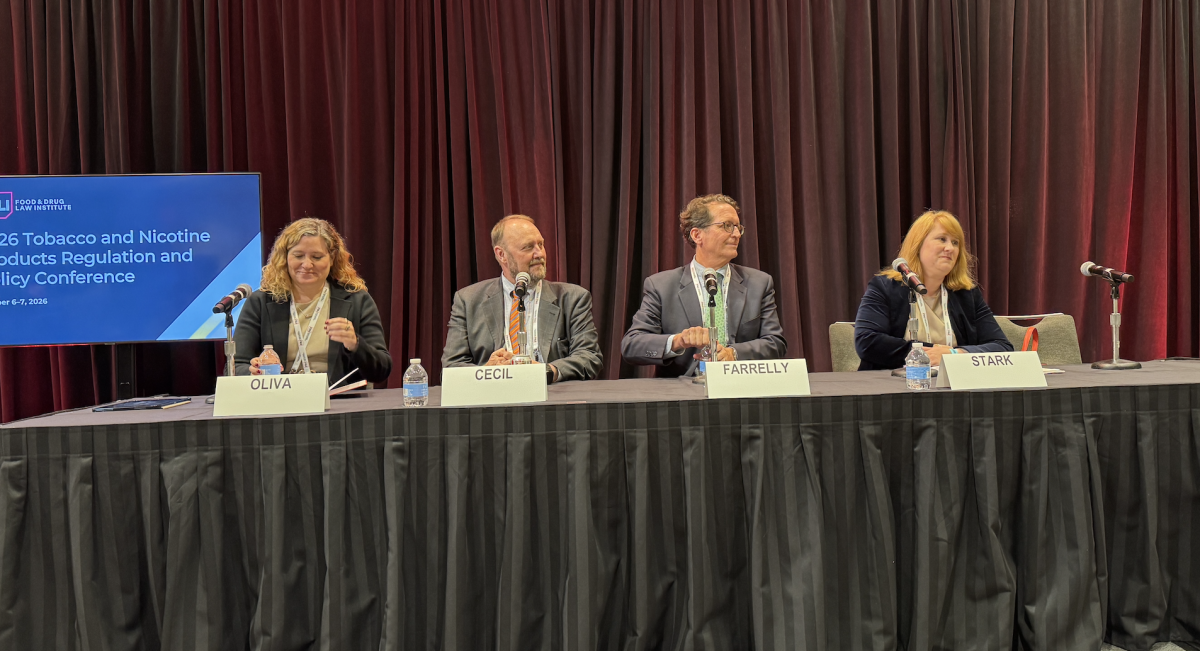
"We are a data-driven organization and will continue to follow science to guide our review of premarket tobacco applications," said Dr. Matthew Farrelly, Director of the FDA Center for Tobacco Products Office of Science.
According to our rigorous scientific review, in this case, the evidence of the benefits of adult smokers completely switching to less harmful products is strong enough to outweigh the risks for adolescents.
The FDA remains concerned about the risks of youth using all e-cigarettes, especially flavored products that are more attractive to youth. Like with previously authorized products, the FDA has implemented strict marketing restrictions on new products to prevent youth exposure and uptake. The FDA will closely monitor how these products are marketed, and if companies fail to comply with any applicable statutory or regulatory requirements, the FDA will take appropriate action. If the agency determines that continued marketing is no longer appropriate to protect public health, including if the number of youth or former smokers using the product significantly increases, or if the number of existing smokers completely switching to the product decreases, the agency may suspend or revoke authorization.
Today's action is one of many measures taken by the FDA to ensure that all new tobacco products sold in the United States undergo scientific review and obtain marketing authorization from the agency. The FDA has received nearly 27 million applications for product certification and has made decisions on over 26 million of them.
So far, the FDA has approved 27 tobacco and menthol e-cigarette products and devices, including four authorized today.
The organization maintains a printable one-page flyer listing all authorized e-cigarette products; these are currently the only e-cigarette products that can be legally marketed and sold in the United States. Those who manufacture, import, sell, or distribute e-cigarettes without the required premarket authorization risk enforcement action. Those looking for a list of tobacco products (including e-cigarettes) that can be legally sold in the United States can visit the FDA's newly launched searchable tobacco product database.
We welcome news tips, article submissions, interview requests, or comments on this piece.
Please contact us at info@2firsts.com, or reach out to Alan Zhao, CEO of 2Firsts, on LinkedIn
Notice
1. This article is intended solely for professional research purposes related to industry, technology, and policy. Any references to brands or products are made purely for objective description and do not constitute any form of endorsement, recommendation, or promotion by 2Firsts.
2. The use of nicotine-containing products — including, but not limited to, cigarettes, e-cigarettes, nicotine pouchand heated tobacco products — carries significant health risks. Users are responsible for complying with all applicable laws and regulations in their respective jurisdictions.
3. This article is not intended to serve as the basis for any investment decisions or financial advice. 2Firsts assumes no direct or indirect liability for any inaccuracies or errors in the content.
4. Access to this article is strictly prohibited for individuals below the legal age in their jurisdiction.
Copyright
This article is either an original work created by 2Firsts or a reproduction from third-party sources with proper attribution. All copyrights and usage rights belong to 2Firsts or the original content provider. Unauthorized reproduction, distribution, or any other form of unauthorized use by any individual or organization is strictly prohibited. Violators will be held legally accountable.
For copyright-related inquiries, please contact: info@2firsts.com
AI Assistance Disclaimer
This article may have been enhanced using AI tools to improve translation and editorial efficiency. However, due to technical limitations, inaccuracies may occur. Readers are encouraged to refer to the cited sources for the most accurate information.
We welcome any corrections or feedback. Please contact us at: info@2firsts.com