Boosted LLC and Owner Cory Vigil Receive Permanent Injunction from FDA and DOJ

Regulations by 2FIRSTS.ai
Jun.17.2024
Boosted LLC and Owner Cory Vigil Receive Permanent Injunction from FDA and DOJ
Boosted LLC and owner Cory Vigil face permanent injunction for violating FD&C Act by selling unauthorized tobacco products.

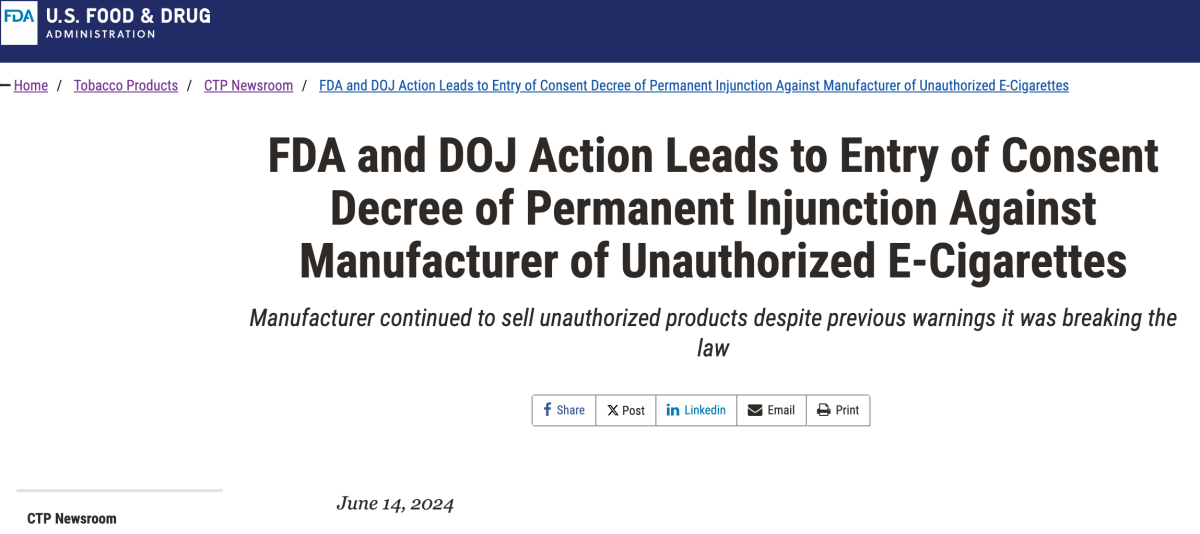
The U.S. Food and Drug Administration (FDA) announced on its official website on June 14th that the Federal District Court of Colorado has issued a permanent injunction against Boosted LLC (dba Boosted E-Juice, Boosted, Live Boosted) and its owner Cory Vigil. The ruling prohibits them from manufacturing, selling, or distributing any new tobacco products unless they meet certain requirements.


According to a lawsuit filed by the US Department of Justice (DOJ) on behalf of the FDA, the defendant has been warned for serious violations of the Federal Food, Drug, and Cosmetic Act (FD&C Act) regarding pre-market review requirements for new tobacco products, as they did not obtain market authorization from the FDA before selling them. The FDA has warned that continued violations may lead to further legal action, including injunctions.


In order to avoid litigation, the defendant signed a consent judgment, which is a written agreement signed by a federal judge and issued as a court order. According to the consent judgment, the defendant agreed not to manufacture, sell, or distribute any new tobacco products until certain requirements are met. These requirements include obtaining FDA marketing authorization for the new tobacco products, FDA inspecting the defendant's facilities to determine compliance with the law, and FDA notifying the defendant in writing that they appear to be in compliance with the law.


The FDA and the Department of Justice have initiated an injunction for the eighth time, beginning in October 2022, in order to enforce pre-market review requirements for new tobacco products. The Department of Justice has taken legal action in court under the Federal Food, Drug, and Cosmetic Act. Therefore, on behalf of the FDA, the Department of Justice filed consent decrees for permanent injunction against defendants in the district of Colorado (each manufacturer's respective U.S. District Court).


FDA Center for Tobacco Products (CTP) Director Brian King stated:


The FDA consistently and resolutely enforces the law, especially after issuing clear warnings and explaining what companies need to do to comply. Those who disregard the law will be held accountable, and we are committed to using all our powers to hold them responsible.


The FDA has made it clear that it will work together with federal partners, including the Department of Justice, to take enforcement actions and seek permanent injunctions against illegal behavior.


This action is part of a comprehensive approach to coordinated enforcement by the FDA and other federal agencies. Last year, in a joint operation at Los Angeles International Airport, the U.S. Customs and Border Protection seized over $18 million worth of illegal e-cigarettes. In addition, the FDA has issued 678 warning letters to companies suspected of manufacturing, selling, and/or distributing unauthorized novel tobacco products, issued over 550 warning letters to retailers, filed civil penalty complaints against 57 manufacturers and 140 retailers for selling unauthorized tobacco products.


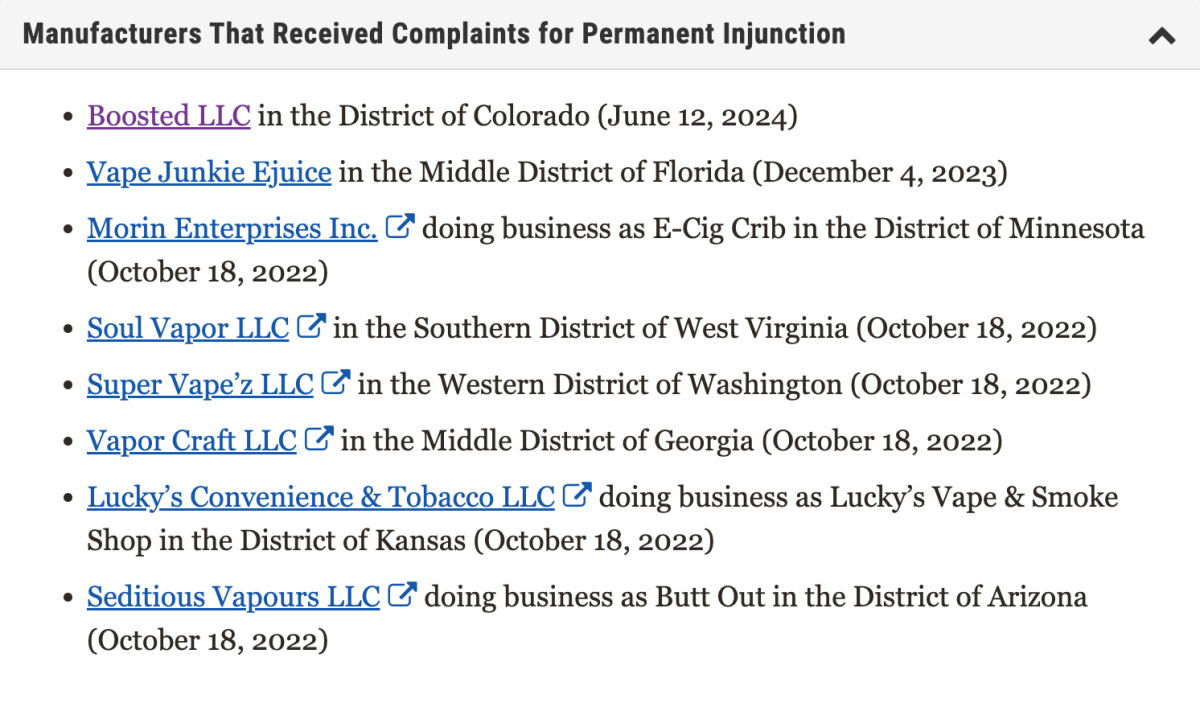
The eight manufacturers who received permanent injunctions are as follows:
 

Boosted LLC and Owner Cory Vigil Receive Permanent Injunction from FDA and DOJ


We welcome news tips, article submissions, interview requests, or comments on this piece.

Please contact us at info@2firsts.com, or reach out to Alan Zhao, CEO of 2Firsts, on LinkedIn


Notice

1.  This article is intended solely for professional research purposes related to industry, technology, and policy. Any references to brands or products are made purely for objective description and do not constitute any form of endorsement, recommendation, or promotion by 2Firsts.

2.  The use of nicotine-containing products — including, but not limited to, cigarettes, e-cigarettes, nicotine pouchand heated tobacco products — carries significant health risks. Users are responsible for complying with all applicable laws and regulations in their respective jurisdictions.

3.  This article is not intended to serve as the basis for any investment decisions or financial advice. 2Firsts assumes no direct or indirect liability for any inaccuracies or errors in the content.

4.  Access to this article is strictly prohibited for individuals below the legal age in their jurisdiction.


Copyright


This article is either an original work created by 2Firsts or a reproduction from third-party sources with proper attribution. All copyrights and usage rights belong to 2Firsts or the original content provider. Unauthorized reproduction, distribution, or any other form of unauthorized use by any individual or organization is strictly prohibited. Violators will be held legally accountable.

For copyright-related inquiries, please contact: info@2firsts.com


AI Assistance Disclaimer


This article may have been enhanced using AI tools to improve translation and editorial efficiency. However, due to technical limitations, inaccuracies may occur. Readers are encouraged to refer to the cited sources for the most accurate information.

We welcome any corrections or feedback. Please contact us at: info@2firsts.com

Special Report | From Oversupply to Supply Gaps: Global Tobacco Leaf Markets Diverge Ahead of 2027
Global tobacco leaf markets diverged sharply in 2026, with India cutting authorised FCV production amid oversupply while Malawi faced a supply shortfall. U.S. demand improved in some leaf categories, but growers in Brazil, Colombia, Tanzania and Zimbabwe faced pressure from prices, buyer access, costs and weather. With nicotine consumption patterns also shifting, 2027 will test whether supply, demand and grower profitability can move back toward balance.
Oct.26
German Customs Seize 115,800 Vapes in €1.4 Million Tax Case
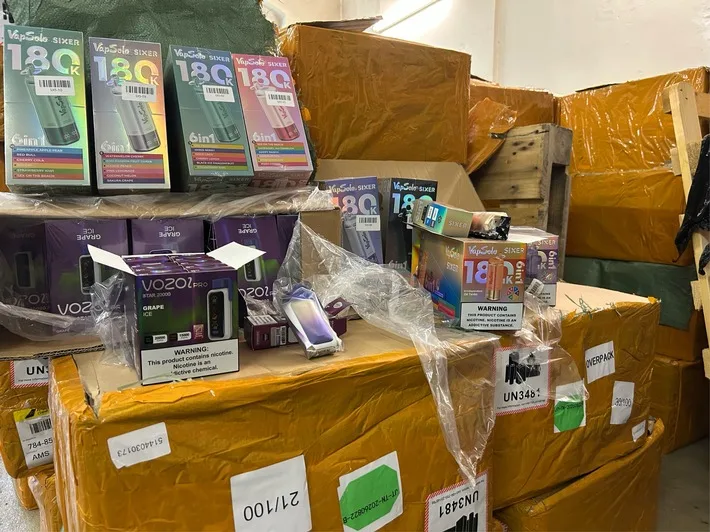
Germany's Magdeburg Main Customs Office seized 115,800 untaxed e-cigarettes containing a combined 4.366 million mL of e-liquid during four truck inspections between August 10 and September 4, 2026. The seizures prevented an estimated €1.397 million in tax losses and set a record for the customs office's jurisdiction. Criminal proceedings have been initiated against four truck drivers. The case follows a separate German investigation involving more than 7.6 million illicit vapes and an estimated €33.3 million in excise-tax losses.
Enforcement
Oct.13
German Bundestag Passes Tobacco Tax Hikes: Vape Liquid Duty to Reach €0.44/ml, Heated Tobacco Taxes to Rise and Cigarettes Seen Near €12 a Pack
Germany's Bundestag passed amendments to the Tobacco Tax Act on October 15, 2026, setting out annual excise tax increases from 2027 through 2030 for e-cigarette liquids, heated tobacco, cigarettes and other tobacco products. Under the Finance Committee's amended bill, duty on qualifying e-liquids will rise from €0.32/ml in 2026 to €0.44/ml in 2030, an increase of 37.5%. Heated tobacco will retain its tax calculation based on 80% of the corresponding cigarette excise duty. The average price of a 20-cigarette pack is projected to approach €12 by 2030, with some brands potentially reaching €14. The legislation is projected to generate approximately €11.8 billion in additional tax revenue over four years and remains subject to further legislative procedures.
Regulations
Oct.19
Product | Japan Tobacco Expands Nordic Spirit Nicotine Pouch Range to Eight SKUs in Japan, Launches Melon Variant and Broadens Mint Retail Distribution
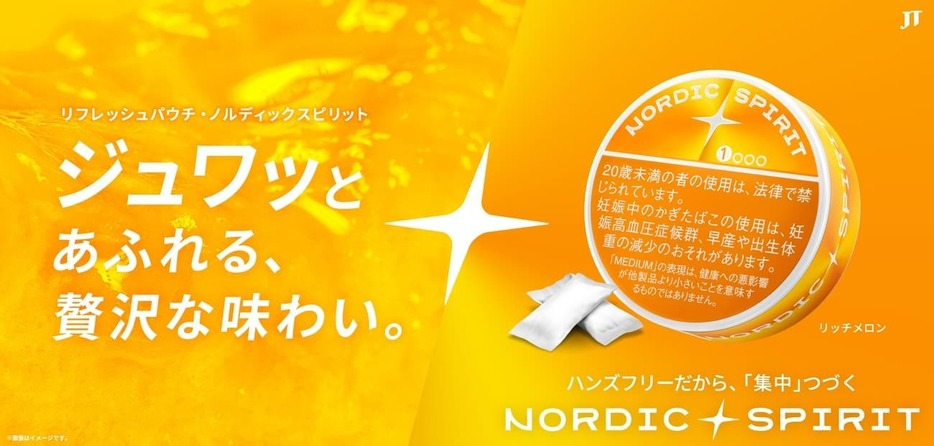
Japan Tobacco Inc. (JT) launched Nordic Spirit Rich Melon Medium through selected tobacco retailers in Japan on November 2, 2026, while expanding physical retail distribution for three existing mint products previously sold through the CLUB JT online store. The melon launch brings Nordic Spirit's Japanese portfolio to eight SKUs. All four products are manufactured in Sweden, contain a standard 14 pouches per can and retail for ¥500 including tax. Since introducing Nordic Spirit in Japan in March, JT has expanded the brand's product lineup and distribution through its online store, convenience stores and selected tobacco retailers.
product
Nov.04
Ukraine Raises Excise Stamp Fees for Tobacco, Heated Tobacco and Vape Liquids by 30.5% as Parliament Backs E-Excise Delay to 2027
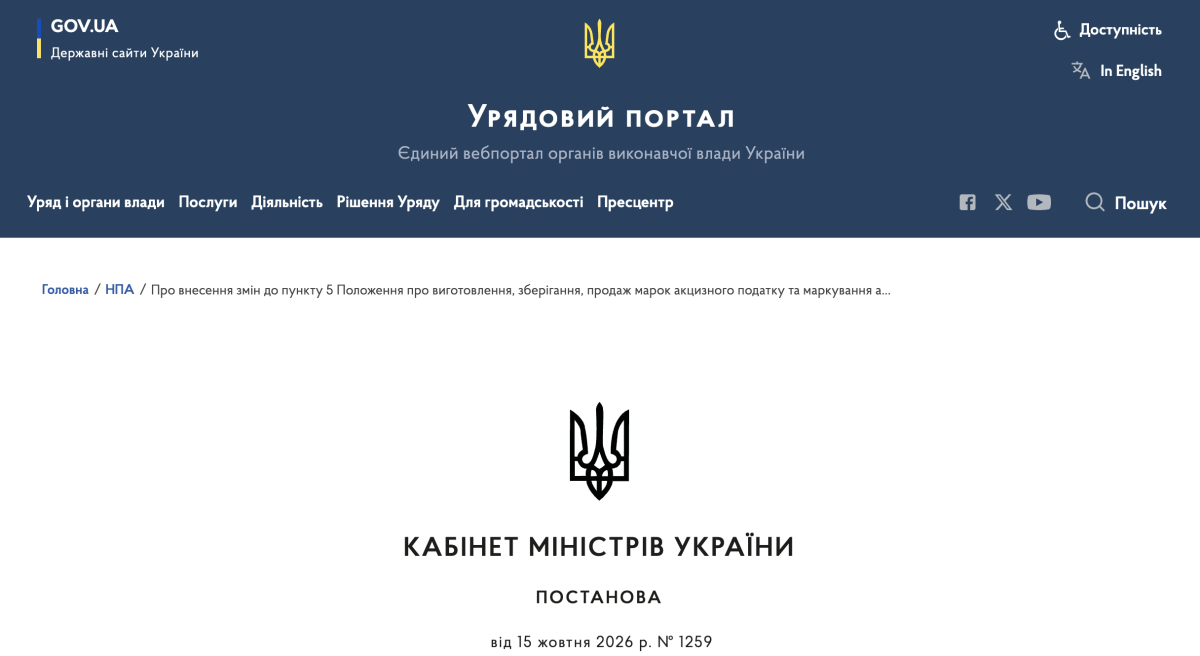
Ukraine's Cabinet of Ministers adopted Resolution No. 1259 on October 15, 2026, increasing excise stamp production fees for tobacco products and e-cigarette liquids by approximately 30.5%, from UAH 0.1643 to UAH 0.2144 per stamp. Fees for alcoholic beverages rose by about 30.2%. Separately, Ukraine's parliament passed Bill No. 15532 on October 13, proposing to postpone the full implementation of electronic excise stamps and traceability for alcohol, tobacco and e-cigarette liquids from November 1, 2026, to July 1, 2027. Parliament cited additional testing, configuration and integration requirements. The bill was sent to the president for signature on October 19.
Regulations
Oct.21
South Korea Constitutional Court Upholds Volume-Based E-Liquid Tax, With Challenged Rates at KRW 370 and KRW 628 per Milliliter
South Korea's Constitutional Court has upheld fixed taxes on nicotine-containing e-cigarette liquids based on solution volume, ruling that challenged provisions imposing KRW 370 per milliliter in individual consumption tax and KRW 628 per milliliter in tobacco consumption tax do not violate the Constitution. The cases stemmed from historical disputes involving importers that reported nicotine as being extracted from tobacco stems rather than leaves. South Korea has since broadened its tobacco definition to include synthetic nicotine, while current tax laws provide reduced rates for certain products not derived from tobacco.
Sep.18