Fire Damages Raleigh Store, Investigations Underway, No Injuries Reported

Regulations by 2FIRSTS.ai
Jan.08.2024
Fire Damages Raleigh Store, Investigations Underway, No Injuries Reported
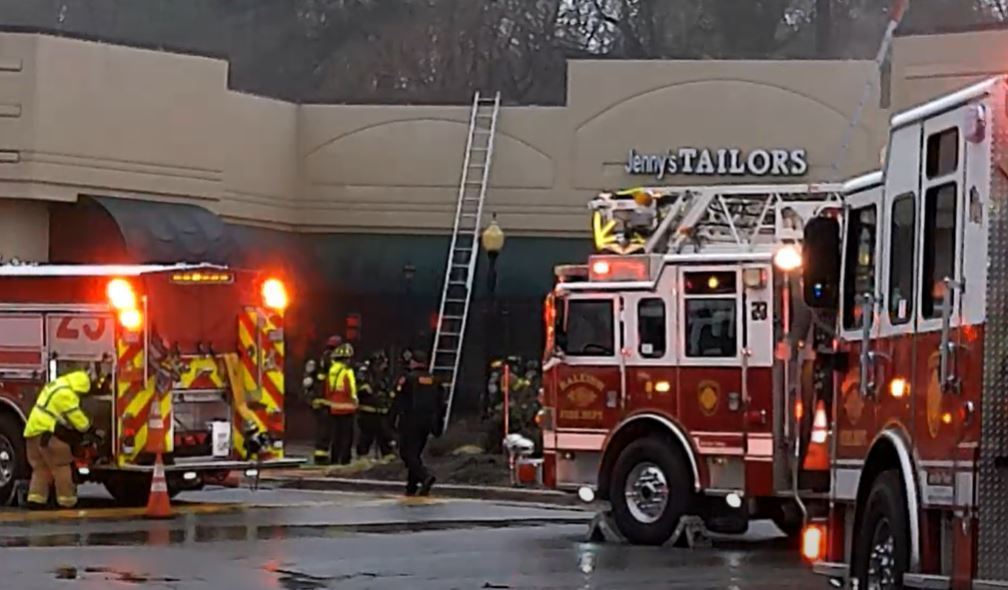
A store in Raleigh, North Carolina, suffered severe damage in a fire, with no casualties reported.

According to a WNCN report on January 6th, a store in Raleigh, North Carolina, suffered severe damage in a fire.


According to Captain Preston Gaster of the Rolesville Fire Department, a fire broke out at 9101 Leesville Road, near Fairbanks Drive, before 12:30 p.m. this afternoon. Around 45 firefighters and two firetrucks fought the blaze for approximately 20 minutes until it was brought under control.


Gaste emphasized that the fire originated in a room inside a tobacco shop, and also highlighted the uncertainty surrounding the possibility of the shop reopening after such significant damage.


In addition, according to Gaste, the store adjacent to the tobacco shop has suffered from minor smoke contamination. It has currently been closed but is expected to reopen later. The investigation into the cause of the fire is still ongoing, fortunately, no reports of casualties have been made.


We welcome news tips, article submissions, interview requests, or comments on this piece.

Please contact us at info@2firsts.com, or reach out to Alan Zhao, CEO of 2Firsts, on LinkedIn


Notice

1.  This article is intended solely for professional research purposes related to industry, technology, and policy. Any references to brands or products are made purely for objective description and do not constitute any form of endorsement, recommendation, or promotion by 2Firsts.

2.  The use of nicotine-containing products — including, but not limited to, cigarettes, e-cigarettes, nicotine pouchand heated tobacco products — carries significant health risks. Users are responsible for complying with all applicable laws and regulations in their respective jurisdictions.

3.  This article is not intended to serve as the basis for any investment decisions or financial advice. 2Firsts assumes no direct or indirect liability for any inaccuracies or errors in the content.

4.  Access to this article is strictly prohibited for individuals below the legal age in their jurisdiction.


Copyright


This article is either an original work created by 2Firsts or a reproduction from third-party sources with proper attribution. All copyrights and usage rights belong to 2Firsts or the original content provider. Unauthorized reproduction, distribution, or any other form of unauthorized use by any individual or organization is strictly prohibited. Violators will be held legally accountable.

For copyright-related inquiries, please contact: info@2firsts.com


AI Assistance Disclaimer


This article may have been enhanced using AI tools to improve translation and editorial efficiency. However, due to technical limitations, inaccuracies may occur. Readers are encouraged to refer to the cited sources for the most accurate information.

We welcome any corrections or feedback. Please contact us at: info@2firsts.com

ATF Cancels Webloc Contract, Raising Questions Over Commercial Location Data in Enforcement
The U.S. Bureau of Alcohol, Tobacco, Firearms and Explosives (ATF) has stopped using Webloc, a commercial phone-tracking tool, after lawmakers, a prosecutor and a judge raised legal and privacy concerns over warrantless use of ad-tech location data, a development that may affect data-use boundaries in U.S. enforcement against illicit tobacco, nicotine products and cross-border distribution networks.
Jun.29
Canada Faces Growing Debate as Youth Nicotine Pouch Use Reaches 34.8%
New Canadian research shows that 34.8% of people aged 17 to 27 have tried nicotine pouches, up more than fourfold from 7.6% in 2022. The findings come as Conservative politicians, Alberta’s government and the tobacco industry push Ottawa to relax current restrictions on pouch sales.
Jun.12
Nearly Half of Seoul Vape Vending Machines Bypassed by Fake IDs, Raising Youth Access Concerns
Seoul city authorities inspected 339 tobacco vending machines at e-cigarette retailers and found that 168, or 49.5%, allowed purchases using fake IDs, showing that unmanned retail terminals and adult-verification systems remain a major enforcement gap after e-cigarettes were brought under tobacco regulation.
Market
Jul.03 by 2Firsts Perspectives
Special Report|U.S.-Facing Retailer Lists RELX Creator Pro 15K: A Chinese Brand Signal Under FDA’s Lower-Priority Enforcement Window
Vapesourcing has listed RELX Creator Pro 15K as “Coming Soon” with U.S. warehouse shipping options; while the page does not show that RELX has entered the U.S. market through official channels or that the product has received FDA authorization, the listing suggests that Chinese brand-led ENDS products are becoming a new point of observation as the U.S. market reassesses regulatory risk following the FDA’s updated enforcement-priority policy.
Industry Insight
Jun.11
Vietnam’s Vape Crackdown Expands From Ban Proposal to Grassroots Enforcement
Vietnam tightens e-cigarette rules. Health Ministry proposes banning production, trade, transport, storage, ads, promotion, sponsorship, and use of e-cigarettes, heated tobacco, and new products. Hanoi also urges residents to report illegal activities, showing enforcement moves from lawmaking to local action.
Jul.08
France Bans Zyn and Other Nicotine Pouches, Violators Face Jail and Fines
France has officially banned nicotine pouches and other oral nicotine products, including Zyn. The new regulation classifies such products as “toxic substances” and imposes criminal penalties on their use, possession, purchase, and sale. Violators may face up to five years in prison and fines of up to €400,000 (approximately $436,600).
Regulations
May.25