[By 2Firsts, Taco Tuinstra, Warsaw] Global experts convened in Warsaw June 19-21 to tackle a barrier that continues to undermine efforts to reduce the annual 8 million premature deaths related to smoking: misinformation about safer nicotine products.
Titled “Challenging Perceptions - Effective Communication for Tobacco Harm Reduction,” the 2025 Global Forum on Nicotine (GFN) brought together consumers, public health experts, policy analysts and government officials, among other stakeholders.
2Firsts has been the official media partner of the Global Forum on Nicotine (GFN) for three consecutive years, delivering in-depth and timely coverage of the event to the global industry audience.
The event came at a pivotal time. Even as the scientific basis for tobacco harm reduction (THR) continues to grow, popular opinion on smoking alternatives such as e-cigarettes has grown increasingly negative in recent years. For example, according to a 2022 survey referenced during GFN, a majority of Canadians aged 15 years and older thought that vaping nicotine was either “about the same” as smoking cigarettes in terms or health risk or didn't know—even though experts agree that vaping is significantly less harmful than smoking.
Misconceptions about safer nicotine products are widespread not only among the public but also among healthcare professionals. In a 2021 study of 1,000 U.S. physicians, also mentioned at GFN, more than 83% or participants mistakenly agreed with the statement nicotine causes cardiovascular disease, and 80.5% erroneously agreed with the statement that nicotine causes cancer.
How Misconceptions Take Root: Media Logic and Brain Biases
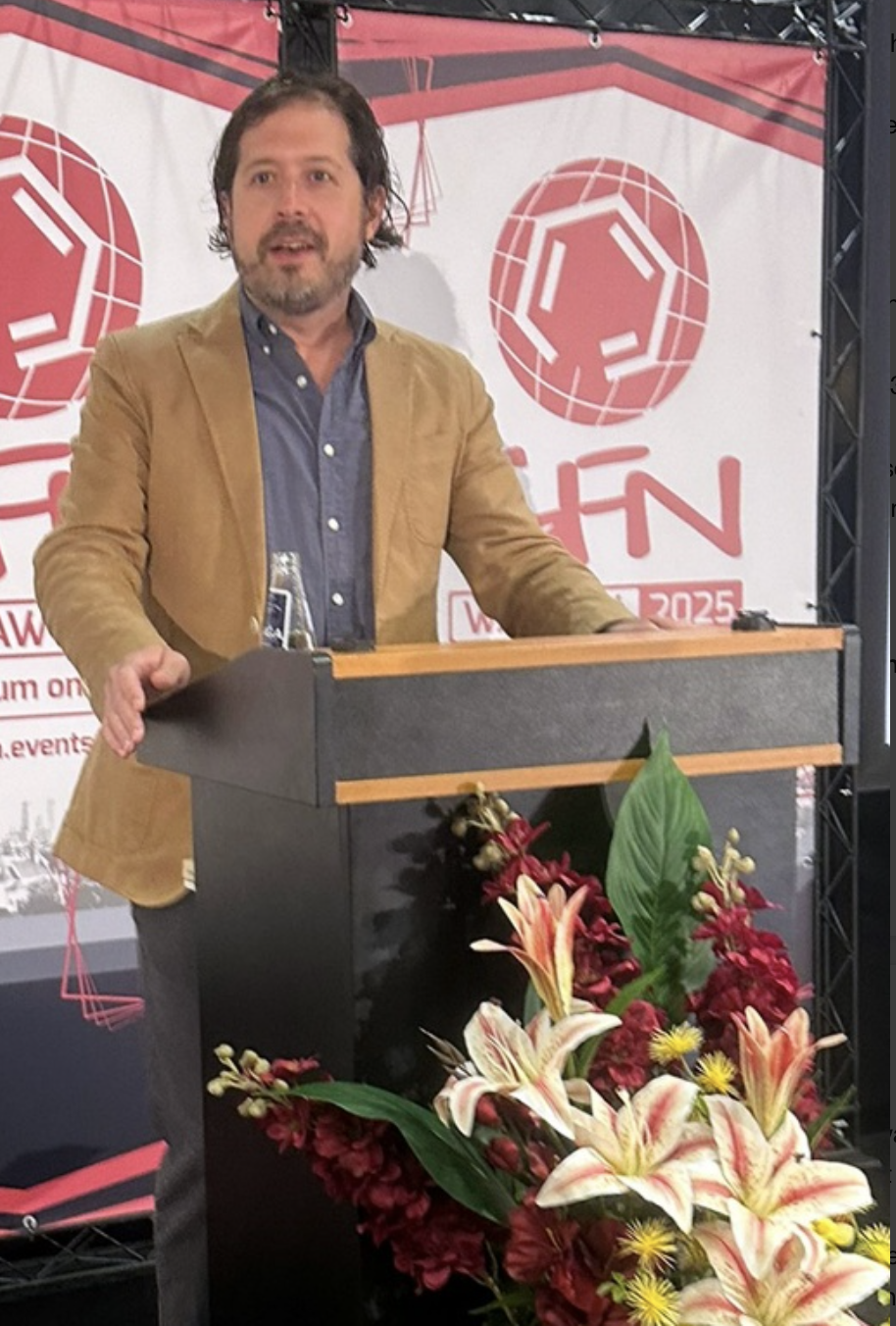
Jacob Grier, a reporter who has extensively covered tobacco policy, attributed the deteriorating perceptions in part to the way the news business works. “Journalists seek novelty, so if something isn't new, it isn't news. Millions of people dying from smoking isn't a story, but a few dozen people dying from adulterated [THC or cannabis] vapes generates months of media coverage,” Grier said, referring to the 2019 EVALI crisis in the United States, which turned public opinion against the category.
Konstantinos Farsalinos, a researcher at the University of Patras in Greece, cited basic human psychology. The brain’s priority, he noted, is to protect its owner from hazards. “So, when someone hears a bad story, it gets installed into the memory very easily and remains there,” Farsalinos said. Those telling a positive tale must work much harder to get their message across.

Institutional Misinformation: WHO and the Abstinence Narrative
Worse than the unfortunate side-effects of basic cognitive functions and media business models are deliberate attempts to deceive. According to Riccardo Polosa, a professor of medicine at the University of Catania in Italy, the World Health Organization (WHO) is intentionally misleading the public about the relative risk of nicotine products compared to cigarettes.
“They select their references and distort the evidence,” Polosa said. “There is one single objective, in my opinion, which is to create their own science that supports the abstinence-only narrative,” he said. “But this has terrible consequences for millions of smokers who would otherwise switch to much less harmful products. In the clinical world, this would be called negligence.”
His sentiment was echoed by Maria Papaioannoy-Duic, founder and spokesperson of Rights 4 Vapers, a consumer group in Canada. “What I've learned is when science doesn't back tobacco control’s story, they don't revise the policy; they rewrite the story—not with facts, but with fear, drama and deliberate misinformation,” she said at GFN.
Systemic Distrust: When Science is Silenced by Policy Dogma
Meanwhile, lingering suspicion of the nicotine business has not only prompted many scientific journals to refuse contributions from industry-related authors but also exposed researchers who make the same arguments as industry to criticism, according to Pinney Associates Senior Scientist Arielle Selya.
The toxicity of the debate, said GFN Director Jessica Harding, has made some experts hesitant to speak out. “Some people fear that they will suffer reputational damage if they come here to talk about consumer products that are unfortunately associated with an industry that—deservedly—has a bad reputation for what they have done in the past.”
Part of the problem, several GFN speakers noted, is that many regulators and health advocates view THR as an industry ploy to addict the next generation of nicotine users. Remembering tobacco executives’ dishonorable habit of downplaying the health risks of smoking during the 20th century, they refuse to accept that the rise of next-generation products has caused profit and public health motives to align.
This position is even enshrined in the guidelines for implementation for the WHO Framework Convention on Tobacco Control’s (FCTC) Article 5.3, which seeks to protect tobacco control policies from the industry’s vested interests. The first principle of those guidelines states that “There is a fundamental and irreconcilable conflict between the tobacco industry’s interests and public health policy interests.” Ironically, this doctrine makes it difficult for parties to pursue one of the FCTC’s fundamental tobacco-control strategies: THR.

The THR Dilemma Amid Public Health–Industry Conflict
Another issue, according to some GFN speakers, is that some tobacco control activists see THR as an existential threat. As Counterfactual Director Clive Bates and others pointed out, if modern products deliver nicotine without the risks from combustion, tobacco control’s mission has essentially been accomplished (albeit by industry rather than regulators). The only way for its activists to remain relevant is to broaden their goal from “reducing disease” to “eliminating nicotine” or “eradicating the industry.”
At GFN, speakers offered suggestions on how to deliver factually accurate information about safer nicotine products in an unreceptive environment. Carolyn Beaumont, an Australian general practitioner specializing in rural medicine, stressed the importance of educating health professionals. “It's simply about offering smokers more solutions, about acknowledging that many don't want to give up nicotine and they're sick of being lectured to and judged by doctors,” Beaumont said. “I'm not telling doctors to ignore existing replacement therapies. I'm simply telling them there's another extremely effective tool in the toolbox.”
Changing the Narrative: Toward Simpler, Stronger Messaging
Harry Shapiro, director of DrugWise, urged GFN participants to recognize legitimate worries while drawing attention to positive developments. “If you're talking to journalists, you can acknowledge the concerns… for instance about teen vaping. But you can also point out that in the USA, teen vaping fell by 70% between 2018 and 2024,” he said. “You can acknowledge concerns about the effects of these products in 20- or 30-years’ time but also say that just because we don't know everything, it doesn't mean we don't know anything. There's a sufficient medical evidence base now that allows health professionals to be recommending these products to smokers.”
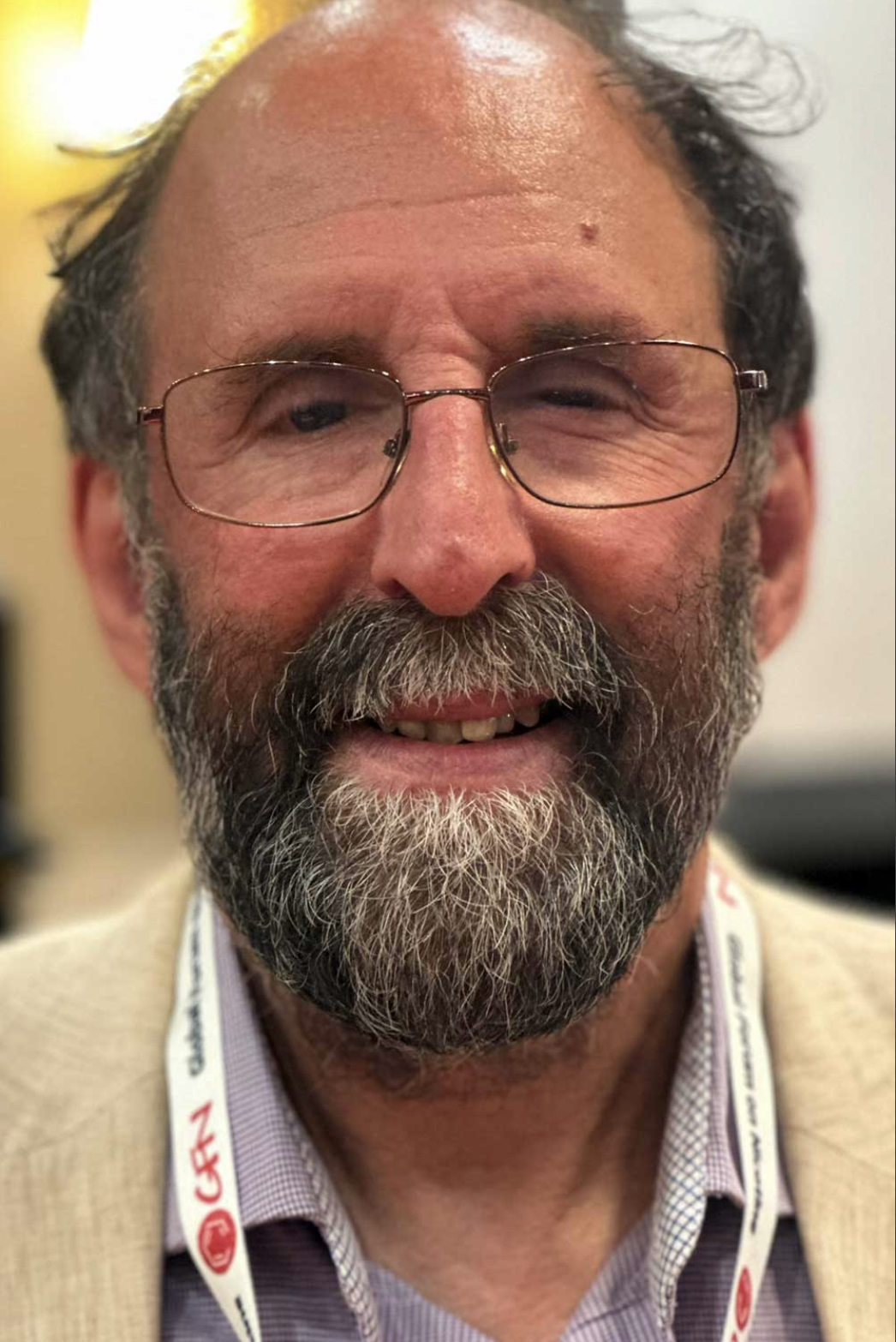
The most obvious strategy, according to tobacco-policy journalist Grier, is to emphasize credible research. “The bad news is that having the facts on our side is clearly not enough,” he said. So, we need to emphasize the facts, but we also need to change the way we talk about nicotine and tobacco use.”
“A suggestion I'm going to leave you with is you need to push a simpler message that resonates across the political spectrum, which is that consenting adults should be free to make their own decisions,” Grier told the Warsaw audience. “Some of them are going to use nicotine, and they should not be denied the right to access it in its safest forms.”
2Firsts has been a media partner of the Global Forum on Nicotine (GFN) for three consecutive years.
Editor’s note
The World of Tobacco Harm Reduction Urgently Needs to “Emancipate the Mind and Seek Truth from Facts”
After reading this article, I couldn’t help but think back to the past two months—when 2Firsts interviewed scientists, harm reduction experts, and leaders from nicotine product companies across the world. Almost without exception, they shared a common concern: that a deep and widening gap in understanding tobacco harm reduction (THR) now exists on the global stage.
Scientists, industry leaders, policymakers, and tobacco control advocates are more divided than ever on how to address tobacco use—and how to embrace the opportunities and challenges of harm reduction.
I also recall a moment several months ago when a health official from a Southeast Asian country publicly claimed there was no evidence that vaping is less harmful than smoking. In fact, the official went so far as to suggest that e-cigarettes might be more dangerous than traditional cigarettes.
How can such vast differences in perception exist on a matter that affects the lives and health of tens of millions around the world?
I don’t have a definitive answer. But based on what we’ve heard from numerous experts, one thing is clear: what the global THR movement needs most is a transformation of thought.
There’s a powerful concept in Chinese political history—“Emancipate the mind and seek truth from facts.” This principle helped launch China’s historic reform and opening-up in the late 1970s. And I believe it’s just as relevant today in our efforts to reduce the harms of tobacco.
The global harm reduction community—including scientists, the industry, and regulators—must return to a shared foundation: science. We need to think long term, rebuild consensus around THR, and fully harness the opportunities brought by innovation and new technologies.
In this process, I believe the role of 2Firsts is becoming increasingly clear: to serve as a bridge between science, industry, regulation, and society. To promote open communication, share facts, exchange ideas, and help drive high-quality progress in global tobacco harm reduction.
Alan Zhao
Co-founder & CEO, 2Firsts
You're welcome to submit articles, request interviews, or share your comments with 2Firsts. Please contact us at: info@2firsts.com, or reach out to 2Firsts CEO Alan Zhao on LinkedIn.