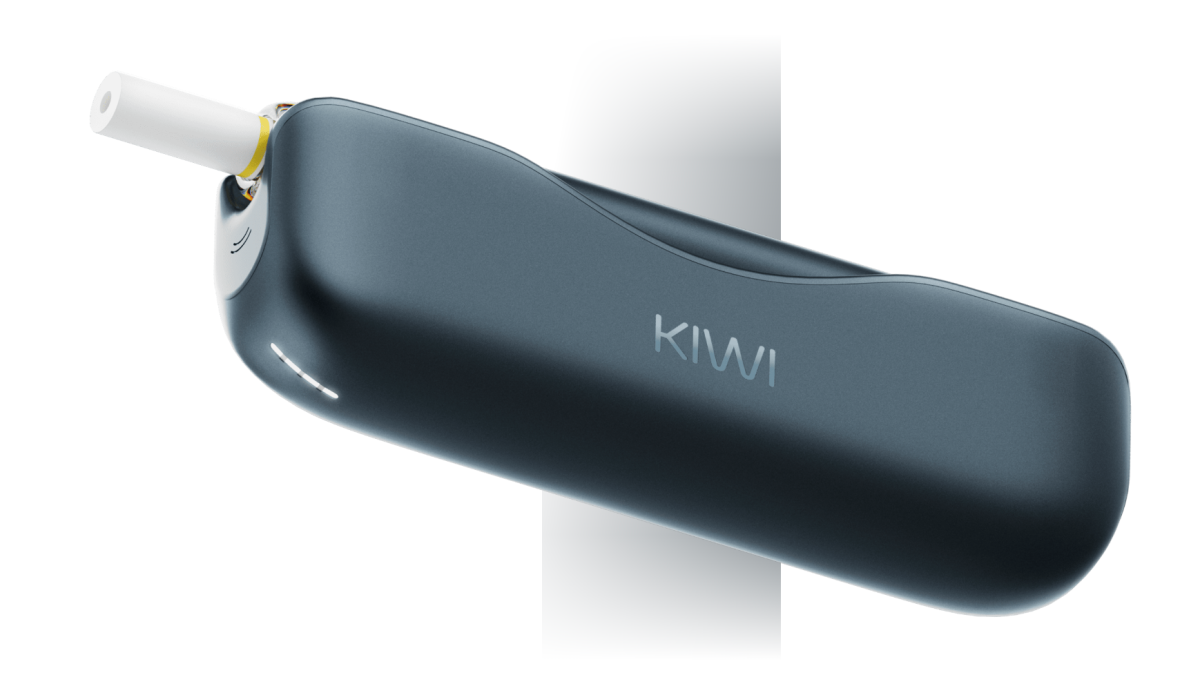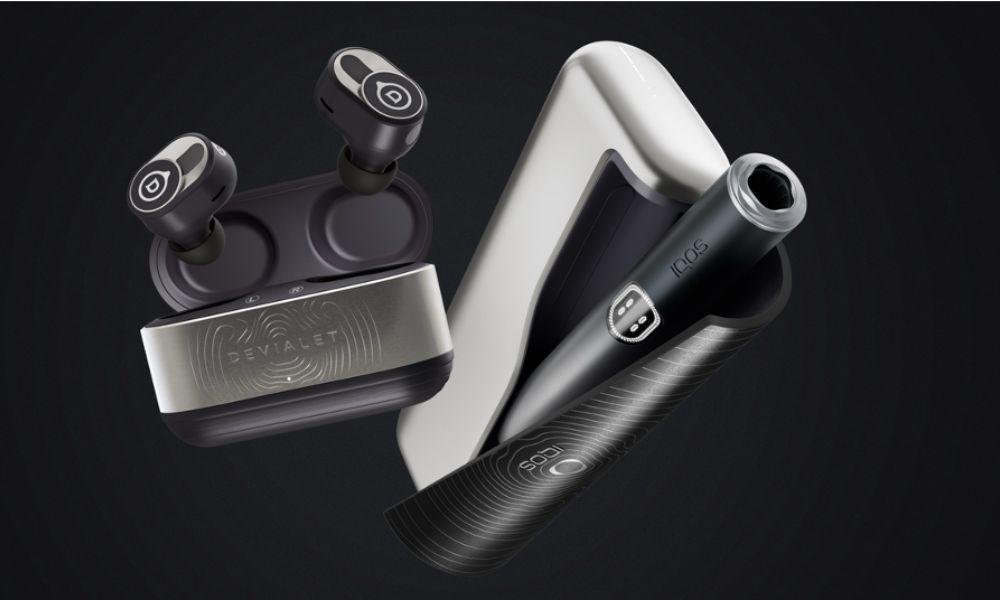
According to a report by Tobacco Reporter on January 15, the recently released E-Cigarette Market Research Report 2020-2029 predicts that the e-cigarette market is expected to grow from its current value of $18.98 billion to $23.15 billion by 2029, representing a growth rate of 3.4%.
In terms of product types, in 2023, rechargeable e-cigarettes have dominated the global e-cigarette market. Compared to disposable e-cigarettes, rechargeable e-cigarettes are more environmentally friendly. Additionally, in the long run, rechargeable e-cigarettes are usually more cost-effective. In terms of flavor types, in 2023, non-tobacco flavor e-cigarettes have taken the lead in the global market. The global demand for non-tobacco flavor e-cigarettes is driven by various factors including their appeal to young users, desire for diversity and customization, and effective marketing strategies. In terms of distribution channels, the offline e-cigarette market has taken the lead in the global market in 2023. Brick-and-mortar stores including e-cigarette shops, convenience stores, and specialty retailers have unique advantages and will continue to drive demand for e-cigarettes through offline channels. North America, especially the United States, is one of the largest and most mature e-cigarette markets. The region has a high prevalence of e-cigarettes, increased health awareness, and strong consumer interest in smoking alternatives, all contributing to the popularity of e-cigarettes. In 2023, Europe accounted for over 51% of the global e-cigarette market revenue. The European market is highly diversified, with strong demand in countries such as the UK, France, and Germany. Additionally, North America holds a significant share in the global e-cigarette market. The Asia-Pacific region is the third largest regional market, led by countries such as China, Australia, and South Korea; despite regulatory barriers, the Latin America region still has huge growth potential due to accelerated urbanization, a young population, and increasing disposable income. As more countries in the Middle East and Africa consider revising their regulatory frameworks, the region is expected to witness increased market penetration and growth in the coming years.
The main participants in the global e-cigarette market include Altria (Altria Group), British American Tobacco (BAT), Imperial Brands (IMB), and Japan Tobacco International (JTI). With increasing awareness of health and growing regulatory pressure, sales of traditional cigarettes are gradually decreasing. These companies are actively entering the e-cigarette market, driving innovation and technological development.
We welcome news tips, article submissions, interview requests, or comments on this piece.
Please contact us at info@2firsts.com, or reach out to Alan Zhao, CEO of 2Firsts, on LinkedIn
Notice
1. This article is intended solely for professional research purposes related to industry, technology, and policy. Any references to brands or products are made purely for objective description and do not constitute any form of endorsement, recommendation, or promotion by 2Firsts.
2. The use of nicotine-containing products — including, but not limited to, cigarettes, e-cigarettes, nicotine pouchand heated tobacco products — carries significant health risks. Users are responsible for complying with all applicable laws and regulations in their respective jurisdictions.
3. This article is not intended to serve as the basis for any investment decisions or financial advice. 2Firsts assumes no direct or indirect liability for any inaccuracies or errors in the content.
4. Access to this article is strictly prohibited for individuals below the legal age in their jurisdiction.
Copyright
This article is either an original work created by 2Firsts or a reproduction from third-party sources with proper attribution. All copyrights and usage rights belong to 2Firsts or the original content provider. Unauthorized reproduction, distribution, or any other form of unauthorized use by any individual or organization is strictly prohibited. Violators will be held legally accountable.
For copyright-related inquiries, please contact: info@2firsts.com
AI Assistance Disclaimer
This article may have been enhanced using AI tools to improve translation and editorial efficiency. However, due to technical limitations, inaccuracies may occur. Readers are encouraged to refer to the cited sources for the most accurate information.
We welcome any corrections or feedback. Please contact us at: info@2firsts.com