Partner Content
Content provided by 【GFN】
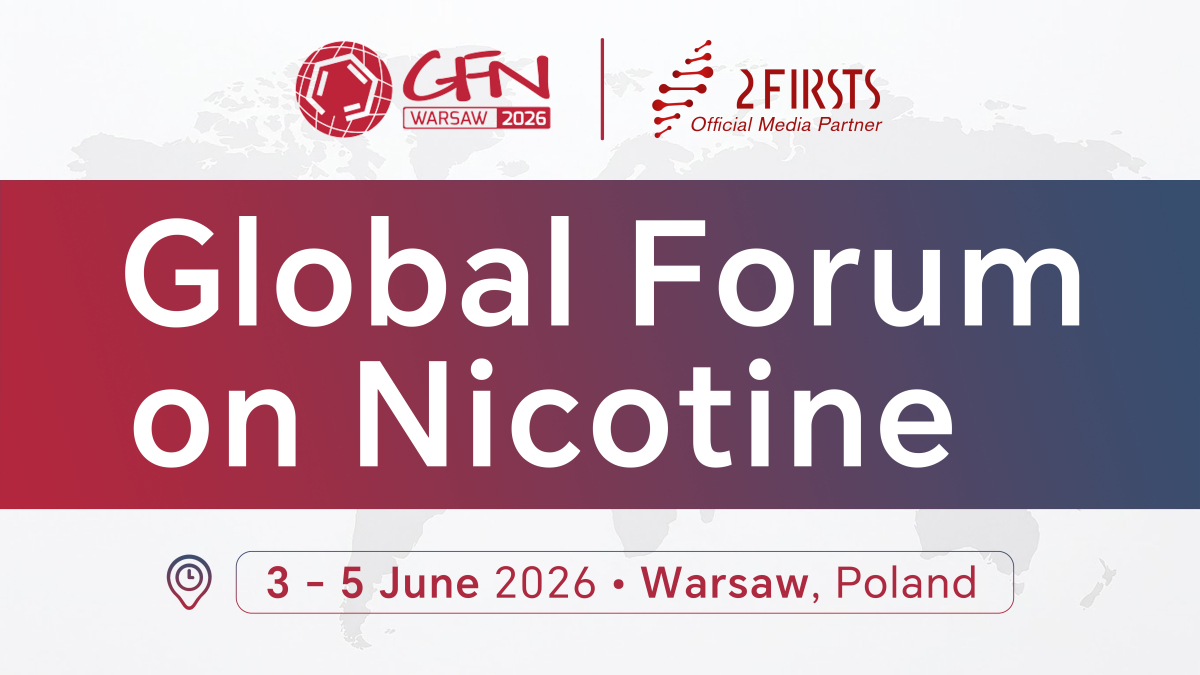
Registration is now open for the 13th annual Global Forum on Nicotine (GFN26), taking place from Wednesday 3 to Friday 5 June at The Warsaw Presidential Hotel in Warsaw, Poland. Themed Prohibition and public health, this year’s event will examine a deep structural contradiction emerging between science and global public health policy.
Despite causing millions of deaths each year, combustible cigarettes remain universally and legally available. Meanwhile, far lower-risk nicotine products – nicotine vapes, pouches, heated tobacco products or Swedish-style snus – are facing blanket or partial bans in many countries. Nicotine does not cause the cancers, cardiovascular disease and respiratory illnesses associated with smoking; these are driven by the toxic byproducts of combustion. Alternative products deliver nicotine without burning tobacco, significantly reducing exposure.
Regulation, not prohibition
Effective regulatory frameworks balance the concern over prevention of youth uptake with the huge opportunities to reduce the global burden of death and disease caused by a billion adults who smoke. Yet prohibitive or restrictive policies are endorsed by influential global institutions such as the World Health Organization, justified as being for the ‘protection’ of public health.
This directly contradicts years of large-scale epidemiological evidence demonstrating that safer nicotine products reduce smoking rates. In countries where safer products are accessible and affordable, such as Sweden, Norway, the United Kingdom, New Zealand and Japan, cigarette sales have declined much more rapidly, as millions switch away from smoking to safer options.
Even as the science-base in support of tobacco harm reduction’s role in public health strengthens, it seems the opposition to safer nicotine products intensifies. GFN26 will critically examine the ways in which prohibition is jeopardising public health goals by entrenching cigarette use, fuelling illicit tobacco and nicotine markets and undermining global efforts to reduce smoking-related disease.
The programme will feature keynote addresses, panel discussions and interactive workshops, alongside the return of GFN’s popular Science Lab. Panels and keynote will address:
- The health, wellbeing and ethical implications of prohibition;
- The economic impact of prohibition;
- The unintended consequences of prohibition on illicit markets and organised crime.
Jessica Harding, Conference Director, GFN26, said:
“Prohibition is increasing at a time when innovation offers unprecedented opportunities to accelerate the end of smoking. Nicotine consumers are paying the price. Unable to access regulated products, millions are forced to choose: either risk using unregulated or illicit nicotine products, or return to deadly tobacco. When cigarettes remain on sale everywhere and safer alternatives are banned or heavily restricted, who is really being protected?”
An inclusive global platform
Established in 2014, the Global Forum on Nicotine is the only international conference dedicated to the role of safer nicotine products in helping people move away from smoking.
Its open-door, multi-stakeholder approach is unique, welcoming consumers who have switched from smoking, public health professionals, researchers, policymakers, regulators, parliamentarians, manufacturers and media representatives. Many of these groups are either excluded or siloed in other international forums.
Speakers and delegates will debate how best to promote evidence-based policy in an environment where harm reduction is frequently portrayed as industry-driven or inherently suspect. By fostering dialogue across sectors, GFN aims to advance practical solutions to reduce smoking-related harm.
Affordably priced, GFN26 is a hybrid event. Accommodation at The Warsaw Presidential can be booked at a discounted rate until Monday 4 May. Selected sessions will be streamed live free of charge and simultaneously translated into Spanish and Russian, widening access, and the conference’s broadcast arm, GFN•TV, will again provide live commentary.
Opportunities for community participation include the GFN Fives – short, five-minute video contributions published online – and the return of Science Lab, where researchers present emerging findings to an international audience. GFN is open to everyone with an interest in the future of tobacco and nicotine policy – join the event and make your voice heard.
In 2026, 2Firsts will continue to serve as an official media partner of GFN, delivering the latest coverage to readers worldwide.