Statement:
This article is limited to conducting research on relevant industries and overseas markets, and does not recommend any products or comment on any domestic policies related to them.
The legality of the products mentioned in the article is limited to their respective overseas locations. Domestic readers are advised to take notice and strictly adhere to relevant Chinese laws and regulations.
This article does not constitute any investment or spending advice.
This article is not allowed to be read by minors.
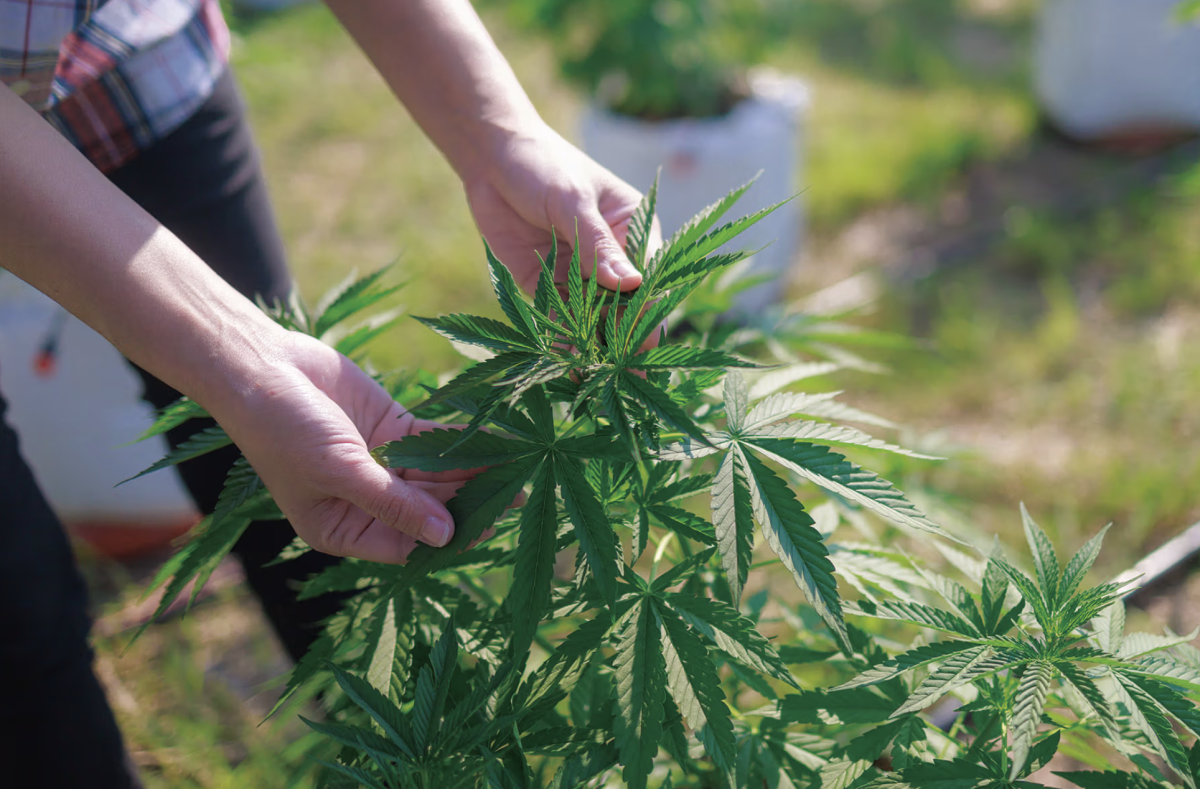
On April 1, 2024, Germany officially became a country where recreational marijuana is legalized, making it the third EU country to legalize personal marijuana use after Malta and Luxembourg.
According to a new revision to German law, it is now legal for adults (18 years and older in Germany) to possess up to 25 grams of marijuana for recreational purposes, and individuals are allowed to grow up to three plants for personal use. However, it is prohibited to use marijuana within 100 meters of playgrounds or school entrances.
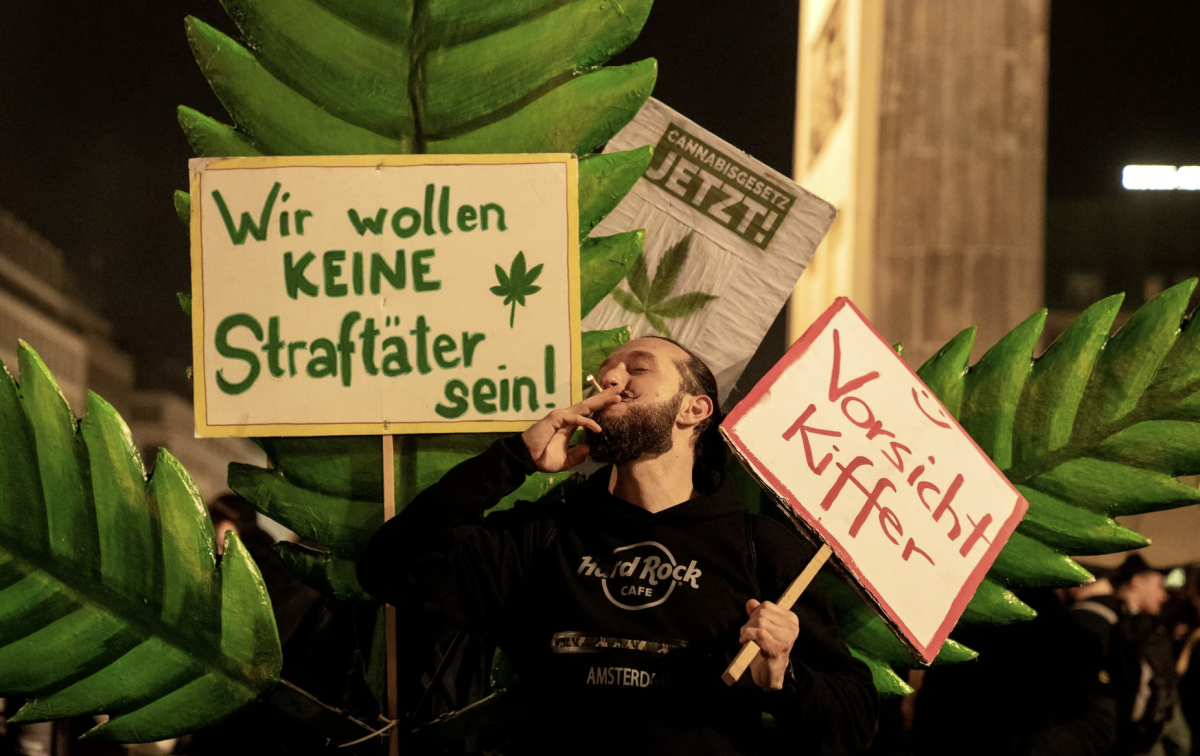
Starting from July 1st, residents of Germany who are 18 years and older will be allowed to join non-profit "cannabis clubs," with each club able to accommodate up to 500 members. Individuals can purchase a maximum of 25 grams of cannabis per day and up to 50 grams per month - with a limit of 30 grams for those under 21. However, membership to multiple clubs is not permitted.
Compared to the top two EU countries in terms of size and economic power, Germany, as one of the most important member states of the EU, has drawn attention from both domestic and international societies for its shift in marijuana policy. According to an Associated Press report, Friedrich Merz, leader of the Christian Democratic Union (CDU), stated that if his party wins the national elections expected to be held in the fall of 2025, they will overturn the legislation. The CDU is the largest party in the European People's Party, with 23 Members of the European Parliament. The current President of the European Commission, Ursula von der Leyen, is also a member of the CDU. The German Medical Association and the German Police Union have both publicly expressed their opposition, calling it a "wrong signal.
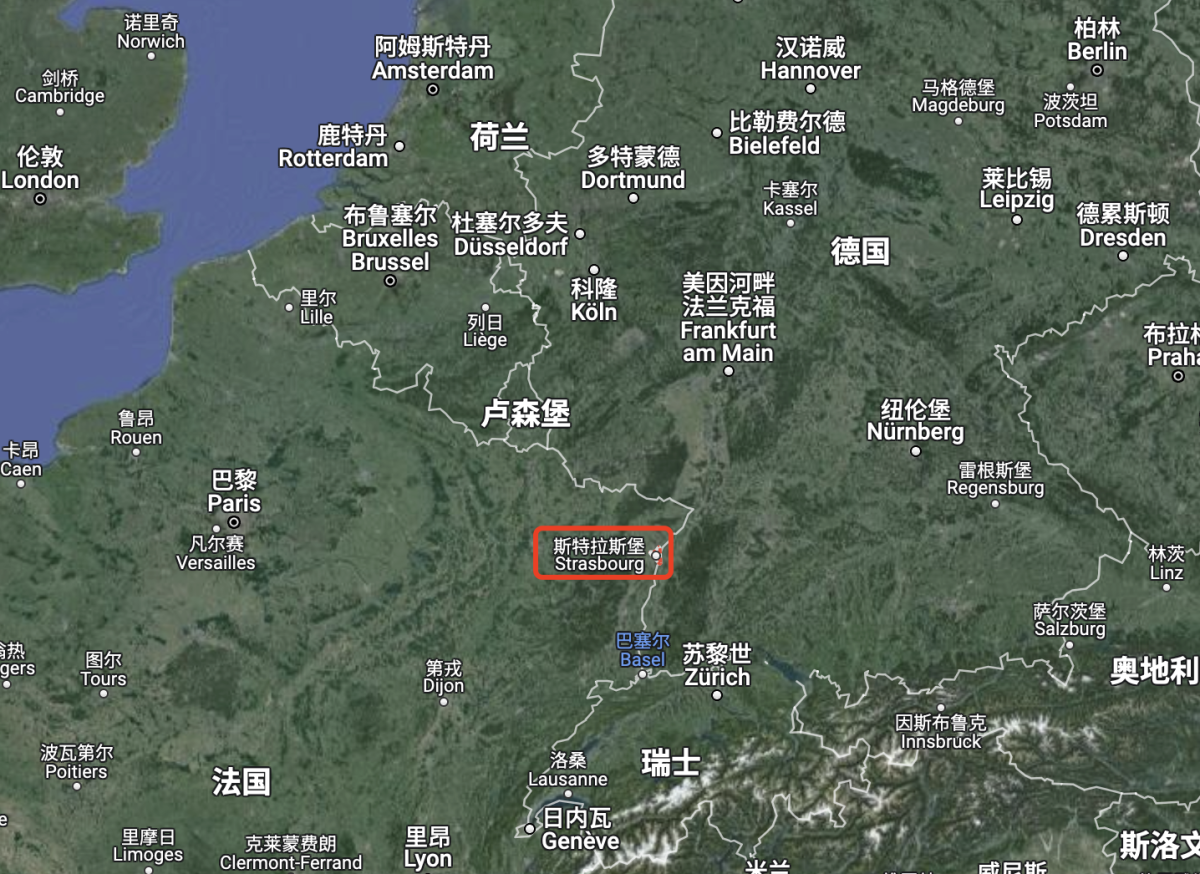
In Germany's neighboring country, France, political figures have also begun to relax their stance. According to Agence France-Presse, following the legalization of recreational marijuana in Germany, the mayor of Strasbourg in France has called for an "experiment" to be carried out, a pilot project allowing adults to purchase and consume small amounts of legal marijuana. According to the French "Drug Observatory," there are at least 5 million marijuana users in France.
From Thailand in Southeast Asia to Germany in Western Europe, many countries have seen a shift in their attitudes towards recreational marijuana in recent years. Which countries currently allow the full recreational use of marijuana? Which countries have loosened restrictions on medical marijuana? 2FIRSTS has compiled a list of countries where recreational marijuana use is legal, excluding Germany, as of the deadline for this article.
Legalization of Marijuana for Recreational Use
Uruguay
In December 2013, Uruguayan President Jose Mujica signed legislation legalizing recreational marijuana, making this South American country the first in the world to do so.
Uruguay has legalized the cultivation of up to six marijuana plants and established marijuana social clubs, a national controlled marijuana pharmacy system, and a marijuana regulatory agency. In October 2014, the government began registering cultivator clubs, allowing for a maximum of 99 marijuana plants to be grown annually. As of August 2015, there were a total of 2,743 registered individual cultivators.
After a long delay in implementing the retail portion of the law, in 2017, 16 pharmacies were authorized to commercially sell marijuana. Through this initiative, Uruguay successfully reduced black market sales to historic lows.
Georgia
On July 30, 2018, the Georgian Constitutional Court ruled that "the consumption of marijuana is a protected act of personal liberty," and that "it only harms the health of the user, for which the user himself is responsible for the consequences." This behavior will not pose a danger to the public.
The ruling allows for the legalization of the use and possession of marijuana in Georgia, while retaining penalties for the cultivation and sale of marijuana. Still illegal acts include public consumption and use in the presence of children. This makes Georgia one of the world's first countries to legalize the use of marijuana for recreational and medical purposes.
South Africa
On September 18, 2018, the South African Constitutional Court legalized the private use and cultivation of marijuana, and stipulated that the South African Parliament could amend relevant laws within 24 months, or the court ruling would stand. While the private use of marijuana has been legalized, buying and selling marijuana, marijuana oil, and marijuana seeds remain illegal.
Canada
Starting from October 17, 2018, the recreational use of marijuana will no longer be a criminal offense in Canada. Regulations will be implemented similar to those for alcohol, with a focus on age restrictions, limits on home production, distribution, and consumption areas. The program will remove the possession of marijuana for personal consumption from the "Controlled Drugs and Substances Act"; at the same time, there will be taxation and stricter penalties for those convicted of supplying marijuana to minors or causing harm while driving under the influence of marijuana.
As of January 2019, the online sale of recreational marijuana is successfully taking place across various provinces and territories in Canada. Most provinces also have storefront businesses selling marijuana, operated by either the government or private companies.
Mexico
On March 10, 2021, the Mexican House of Representatives passed a bill legalizing recreational marijuana. On June 29, the Mexican Supreme Court legalized the recreational use of marijuana. President Andrés Manuel López Obrador signed a law allowing adults aged 18 and older to possess up to 28 grams of marijuana and grow up to six marijuana plants on their own property.
It is worth noting that the majority of Mexican citizens are Catholic, and the Catholic Church opposes the recreational use of marijuana.
Malta
On December 18, 2021, Maltese President George Vella signed a bill legalizing the cultivation and use of recreational marijuana for individuals aged 18 and older. The Responsible Use of Cannabis Authority is a new public entity in Malta tasked with overseeing the country's new laws regarding legal cannabis. It is now legal to carry up to 7 grams of marijuana, grow up to 4 plants per household, and store up to 50 grams of dried marijuana. Cannabis associations are allowed to cultivate marijuana and distribute among members, with a maximum of 7 grams per day and 50 grams per month. Non-profit organizations can also grow marijuana in Malta and sell to a maximum of 500 members in the country, but cultivation near schools or youth clubs is prohibited.
Thailand
On June 9, 2022, Thailand legalized cannabis extracts with THC content below 0.2%, but patients are required to obtain a prescription from a doctor. On September 14, 2022, the Thai parliament discussed a draft law to control the use of cannabis, which was passed by a majority of members of the House of Representatives. Therefore, Thailand became the first country in Asia to fully legalize recreational cannabis, allowing for legal possession, sale, and home cultivation.
Luxembourg
In June 2023, the majority of the Luxembourg Chamber of Deputies voted in favor of a bill legalizing the home cultivation and possession of marijuana for recreational purposes, with 22 members voting against it. Luxembourg is set to legalize the adult use of marijuana, allowing individuals to possess, consume, and cultivate up to 3 grams of marijuana. The law allows each household to cultivate up to four marijuana plants in the community and legalizes the consumption of marijuana by adults at home. Smoking in public places and possession, transportation, and purchase of up to three marijuana plants will incur minor fines. The law will come into effect on July 21, 2023. There are plans to establish a state-controlled, regulated market to produce and sell marijuana.
We welcome news tips, article submissions, interview requests, or comments on this piece.
Please contact us at info@2firsts.com, or reach out to Alan Zhao, CEO of 2Firsts, on LinkedIn
Notice
1. This article is intended solely for professional research purposes related to industry, technology, and policy. Any references to brands or products are made purely for objective description and do not constitute any form of endorsement, recommendation, or promotion by 2Firsts.
2. The use of nicotine-containing products — including, but not limited to, cigarettes, e-cigarettes, nicotine pouchand heated tobacco products — carries significant health risks. Users are responsible for complying with all applicable laws and regulations in their respective jurisdictions.
3. This article is not intended to serve as the basis for any investment decisions or financial advice. 2Firsts assumes no direct or indirect liability for any inaccuracies or errors in the content.
4. Access to this article is strictly prohibited for individuals below the legal age in their jurisdiction.
Copyright
This article is either an original work created by 2Firsts or a reproduction from third-party sources with proper attribution. All copyrights and usage rights belong to 2Firsts or the original content provider. Unauthorized reproduction, distribution, or any other form of unauthorized use by any individual or organization is strictly prohibited. Violators will be held legally accountable.
For copyright-related inquiries, please contact: info@2firsts.com
AI Assistance Disclaimer
This article may have been enhanced using AI tools to improve translation and editorial efficiency. However, due to technical limitations, inaccuracies may occur. Readers are encouraged to refer to the cited sources for the most accurate information.
We welcome any corrections or feedback. Please contact us at: info@2firsts.com